This entry is a sequel to my previous post.
I learned about this soba ( a type of Japanese noodle) restaurant from a friend when I heard about the sweet shop in Nara. She recommended both shops, so my husband and I had lunch at the restaurant after buying some sweets.
When we arrived the restaurant, it was still before noon, but we were the last customers who could get soba. My friend had suggested that we get there as early as possible, and we did. I was a bit surprised by how popular the restaurant was.
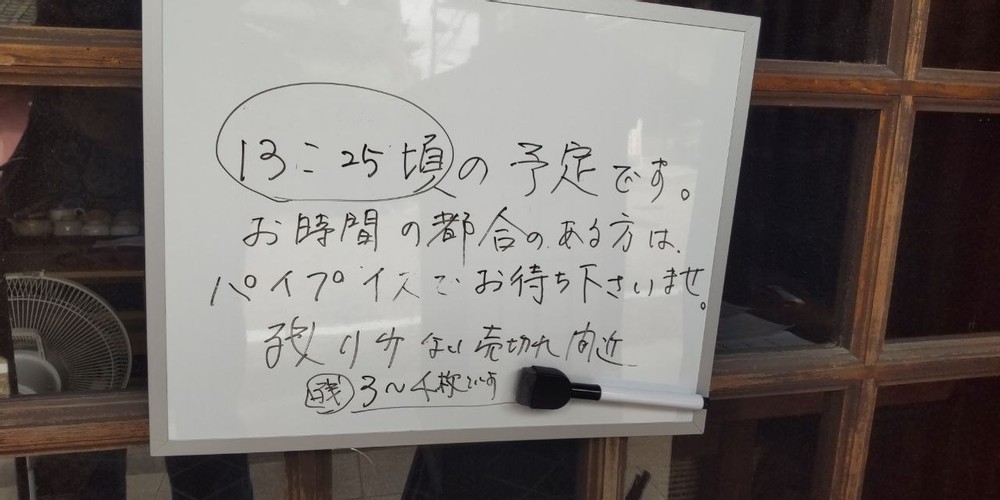
The sign in the picture below said that only three or four people could get soba at 1: 25 pm.
Once we stepped into the restaurant, I immediately fell in love with the atmosphere because I'm a huge fan of antiques. Antiques were everywhere in the shop! It felt like we had stepped back in time to the Taishō era (1912 to 1926).
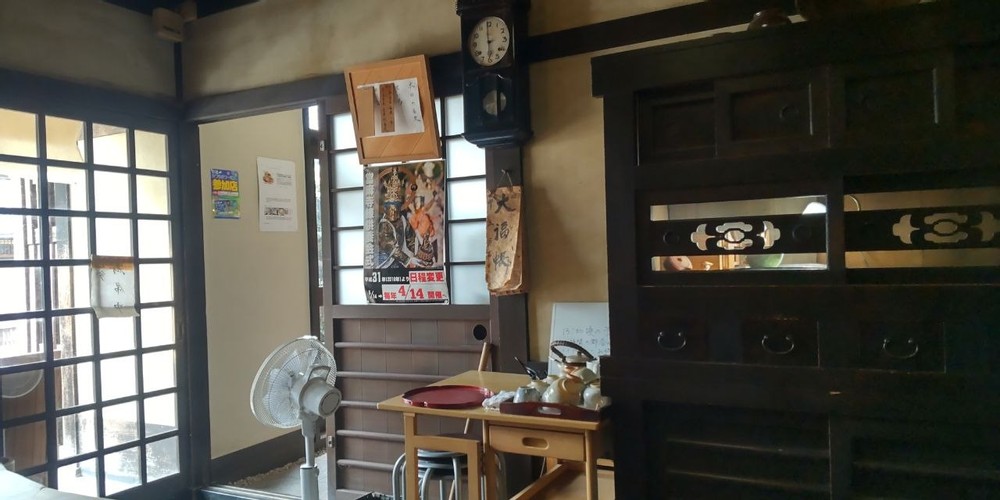
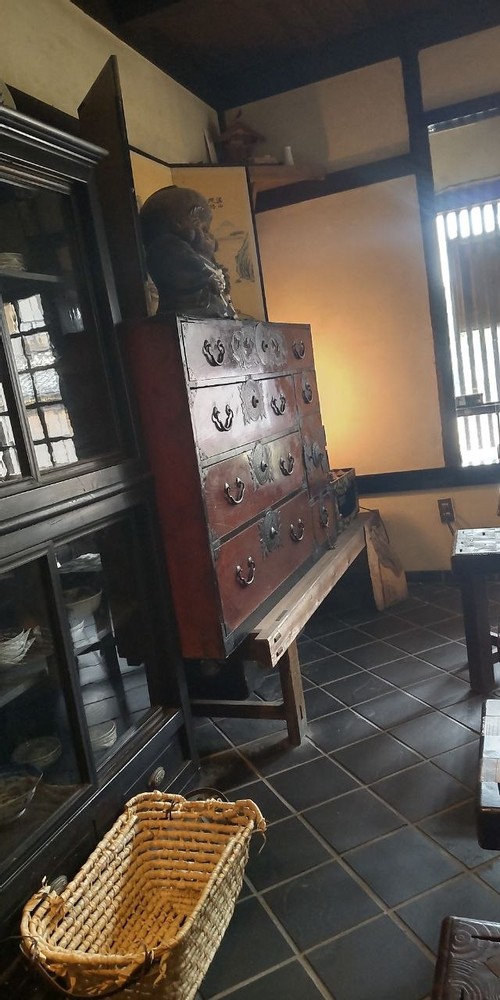
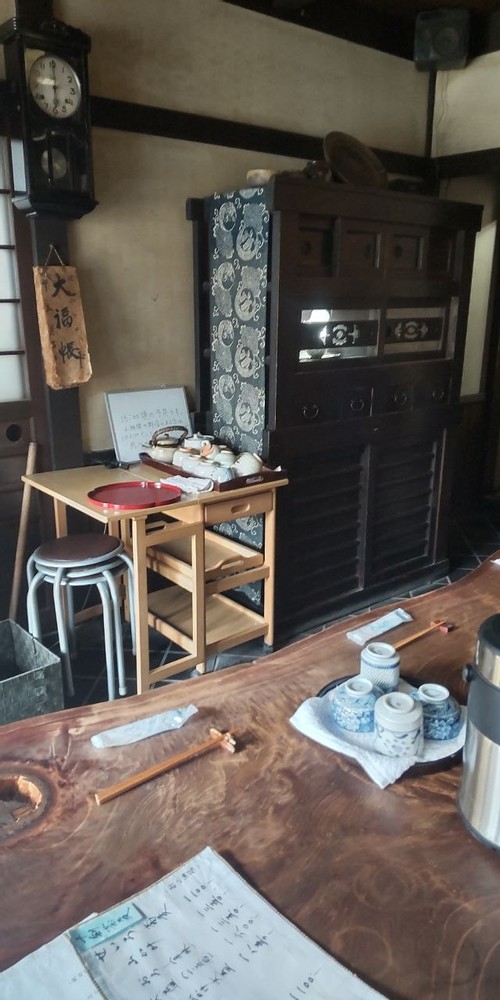
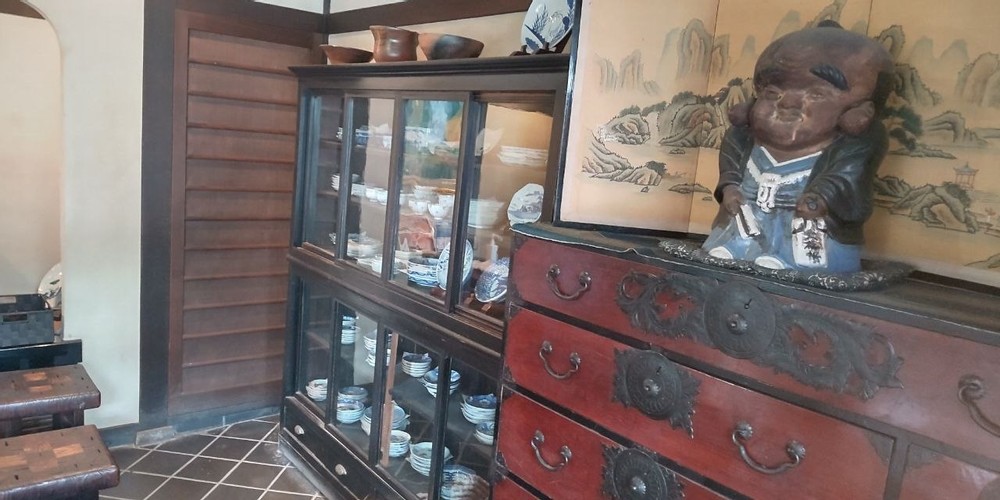
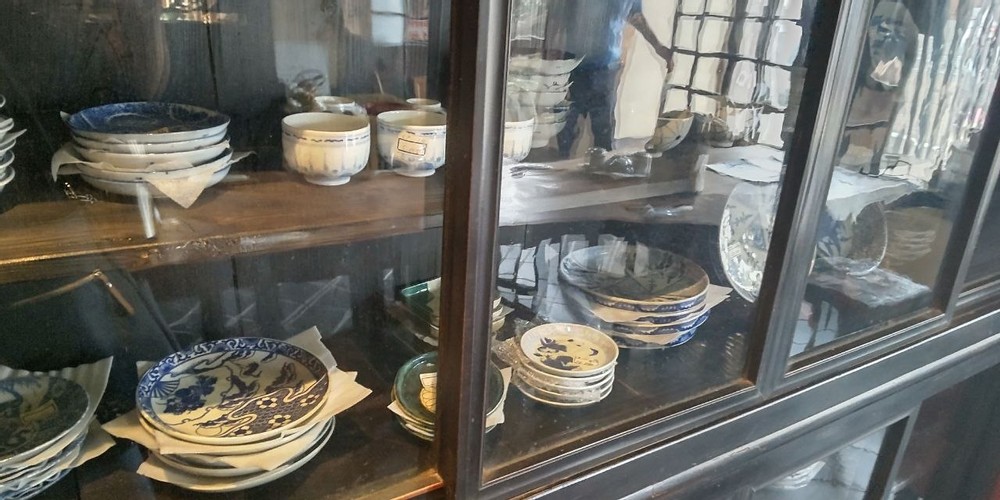
Some antique dishes were also for sale. I've been looking for some good-quality antique soba choko, which are used for eating soba. Unfortunately, there were no soba choko in the cup board.
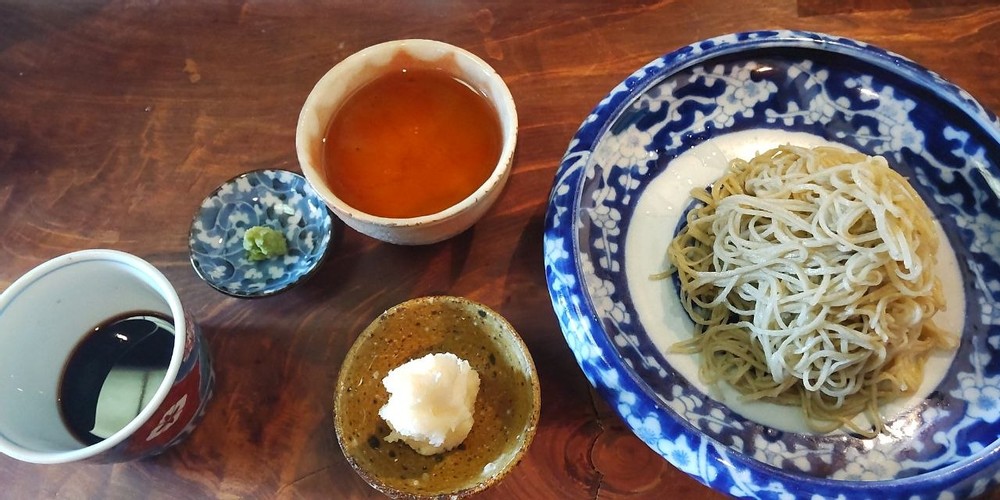
Since the chef makes soba after receiving the orders, we had to wait about thirty minutes. My husband's order was served earlier than mine. There are only three options on the menu: soba, soba with granted Japanese yam or soba with granted daikon. He ordered the soba, and mine was soba with granted daikon. I have allegories to the yam.
My stomach is sensitive, so usually I don't eat 100% buckwheat soba to avoid my stomach get upset. So, I was a little nervous before eating. I didn't get the information from my friend. In the Kansai region, it's rare to find restaurants serve only 100% buckwheat soba.
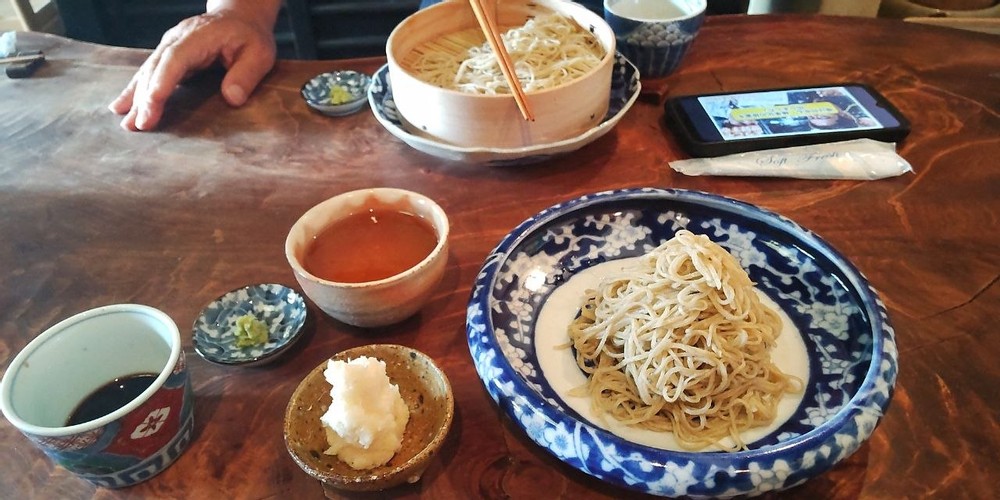
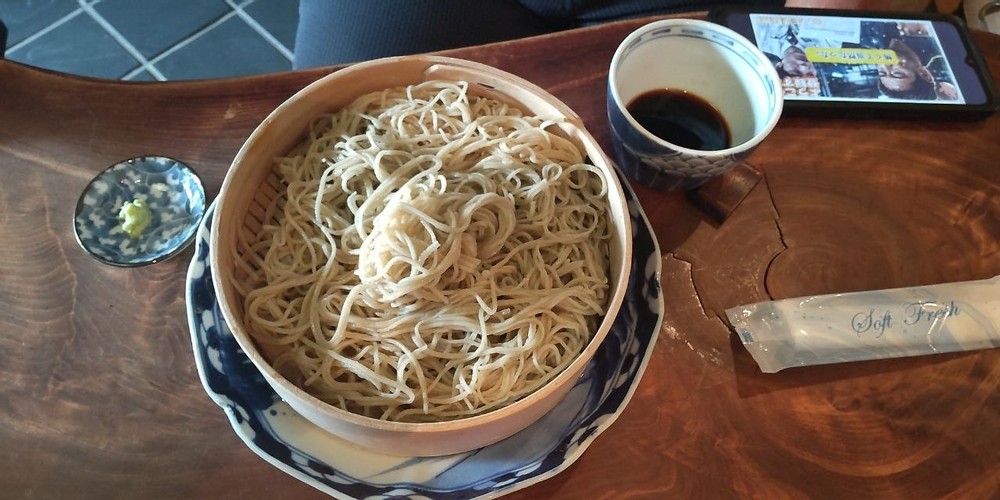
However, I didn't need to worry about an upset stomach at all. The soba was the best I've ever had in this region. I was impressed by the chef. He only serves soba, and he does it exceptionally well. My husband and I are planning to go there again sometime soon.
(5225)

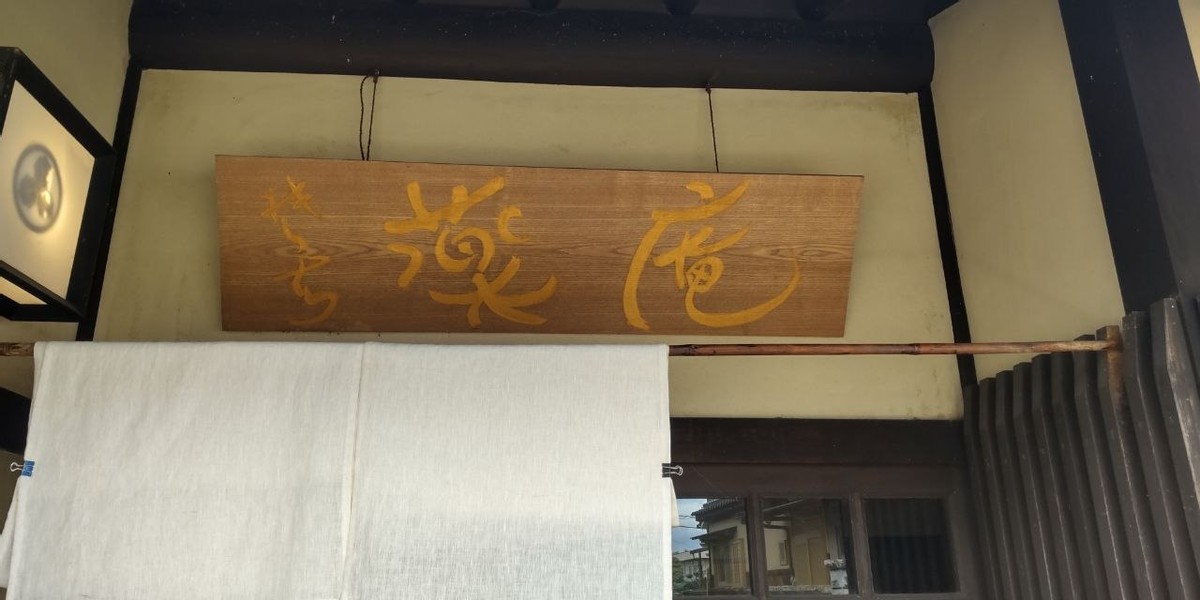
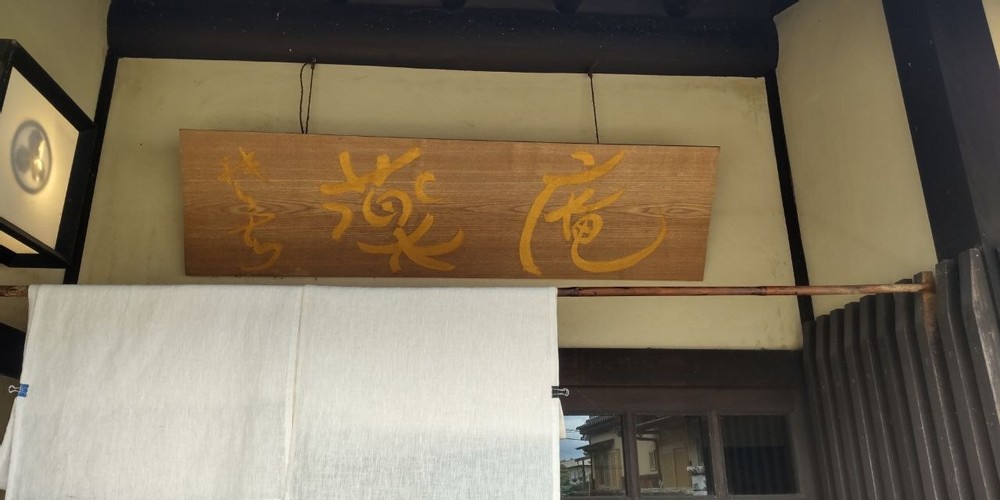
I'm glad the food was good, because I did not like the yellow calligraphy on the shop sign 😅 Even I can write better than that 🫣
Thank you as always. I think the sign looks cool to me, but I don't like the color either. It's better using a darker color.
I don't like the calligraphy.
I see. The style is Japanese cursive.
What are the characters?
It says 薬庵.
I'd expect a Japanese chef to be as precise as a surgeon—even in their handwriting😅. Anyway, what's in those cups next to the soba? Is it dipping sauce, or something you drink?
@Simone- Hi, Simo! Thank you for reading and commenting. Haha. I like the joke. One is for dipping sauce (the soy sauce looking one), the tea-ish colored one is soba tea, the yellow green one is some Japanese horseradish called wasabi, and the white one is some grated daikon.
I had to look up soba tea because it really caught my attention. I wish I could try it. What does it taste like—sweet, sour, or something else? Do people usually drink it plain?
@Simone- Soba tea belongs to flavored tea, so it tastes like soba. In Japan, majority people drink plain tea (especially Japanese tea and Chinese tea) with meals. However, many people love sweet tea at cafes. I'm definitely a tea person, but I avoid taking caffeine. Soba tea is one of non-caffeine tea in Japan.
As someone who can't have caffeine, I'd love to give soba tea a try. 😭😭😭
Anyway, adding sugar to tea or coffee should be punishable by law.
@Simone- Soba tea is good to everyone, which is very tasty. I can have caffeine, but I prefer not having it.
Oh, yeah. We have a really strict law, lol.