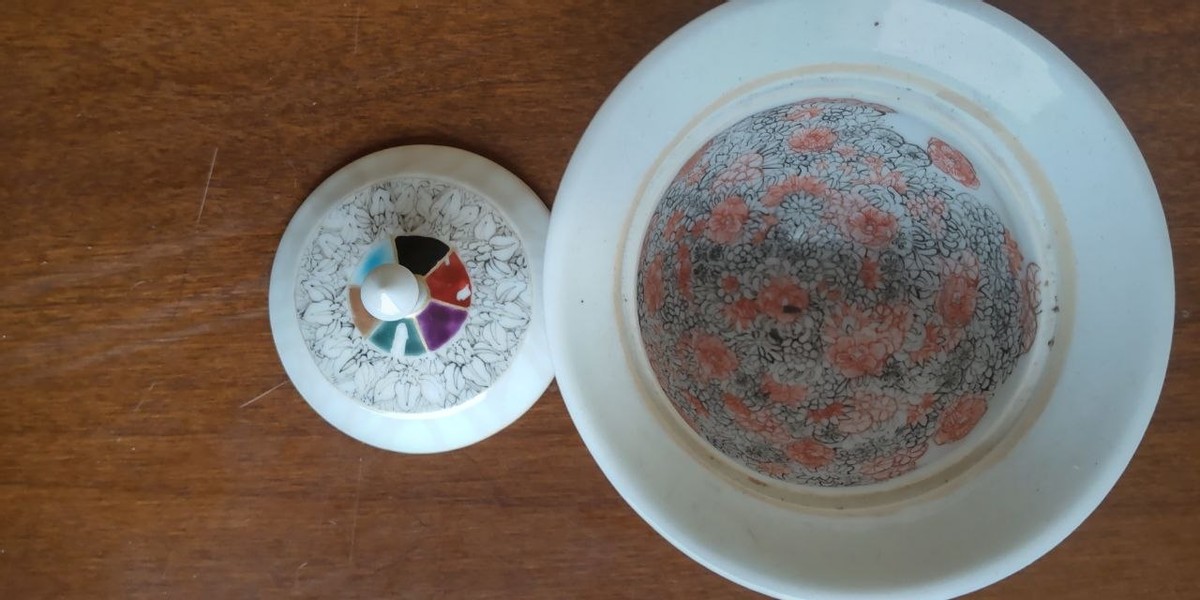
I haven't posted photos of my artwork for a while, so I'd like to share some today. Even so, they aren't my completed pieces. When you look closely at the pictures I've posted, you can find something wrong. Yes, they're my unsuccessful pieces.
1.
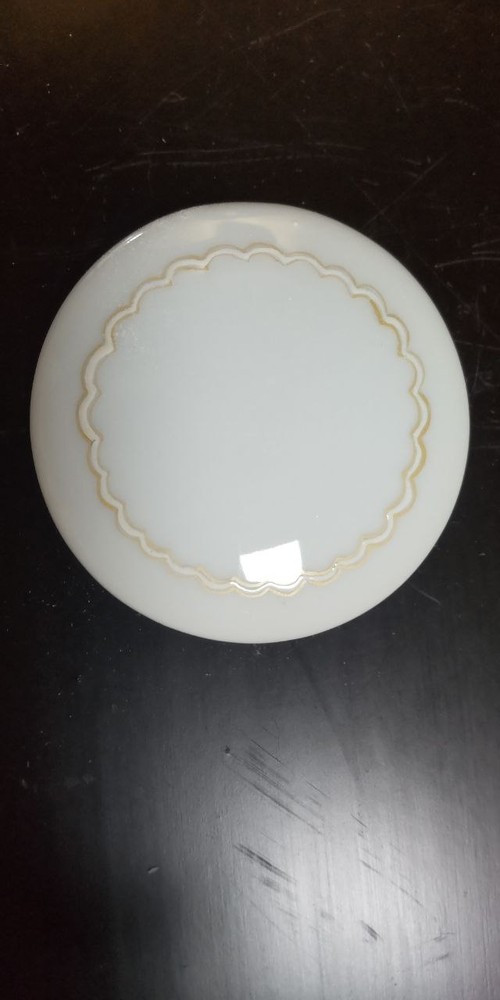
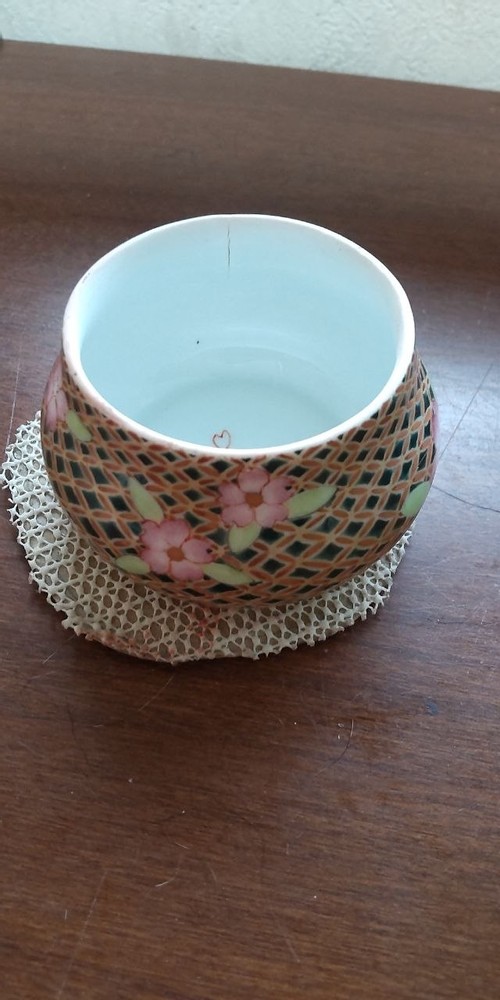
I fired the No.1. piece a couple of times and found some chips in the center part. I was shocked when I found them because I expected this piece would become unique. I can't paint over chipped areas, so I had to stop working on this. Once the glaze chips, you can't layer any more paints over it. You can't fix this.
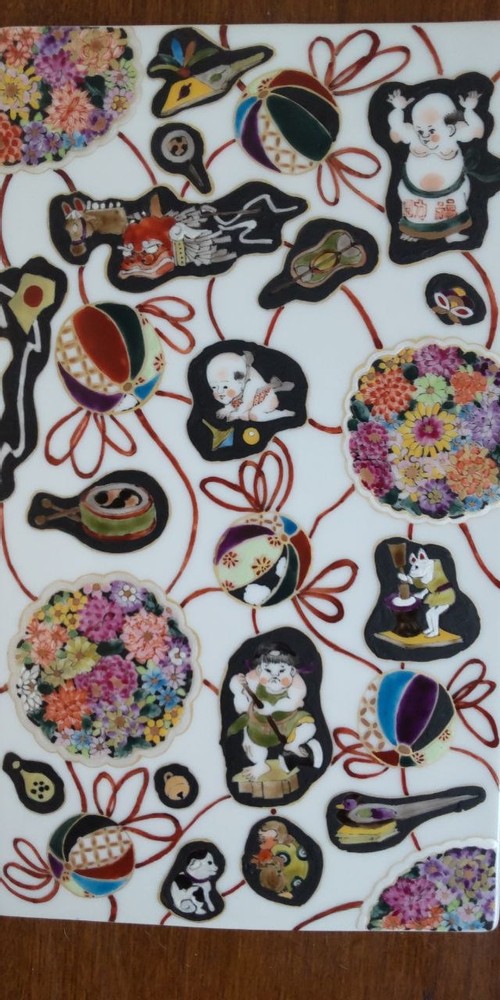
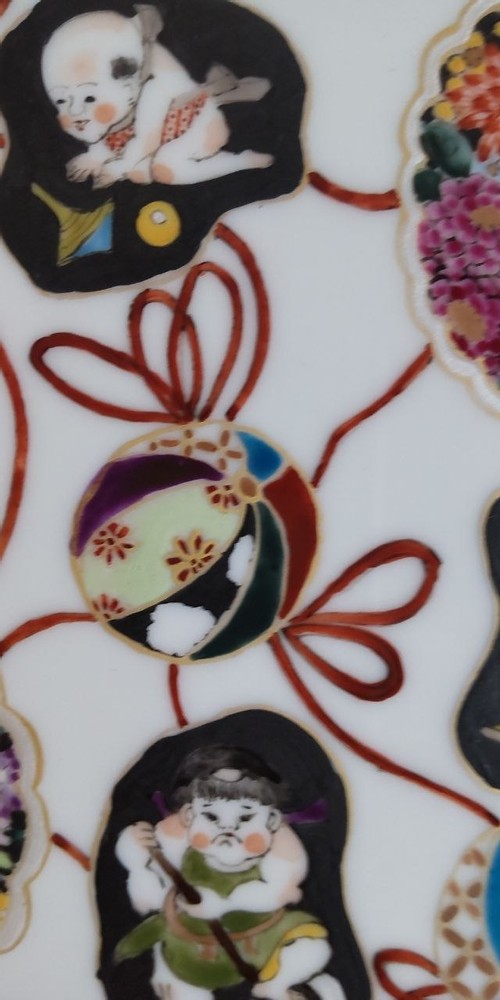
2.
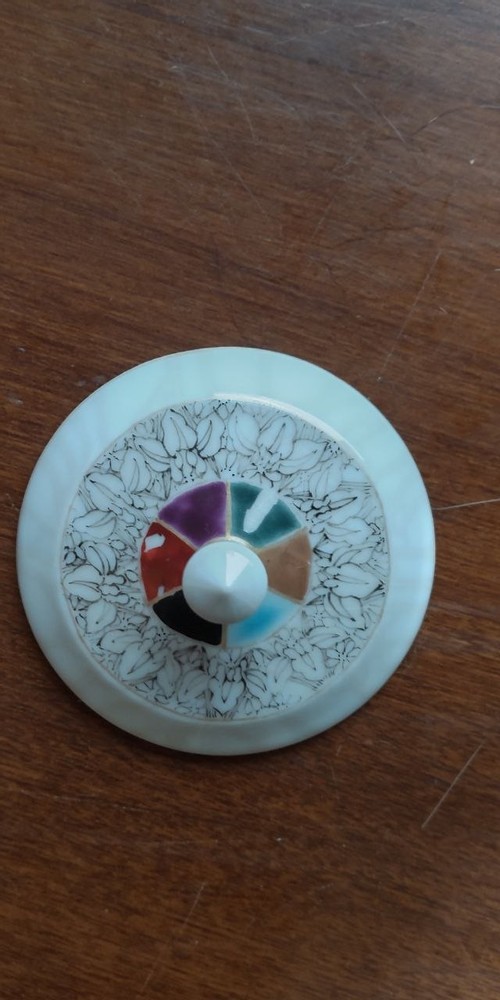
I had a wonderful idea about this porcelain piece. At first, I painted flowers on the inside, which took more than six months to finish. Then, I painted the lid part. After firing the lid, I found some chips again. I couldn't keep working on this anymore, so I had to give it up. I felt I wasted lots of time for this piece. I wish I knew why this happens so I could prevent it. This is a common problem among porcelain painters, there's no way to repair it. Everyone who paints on porcelain pieces has gone through.
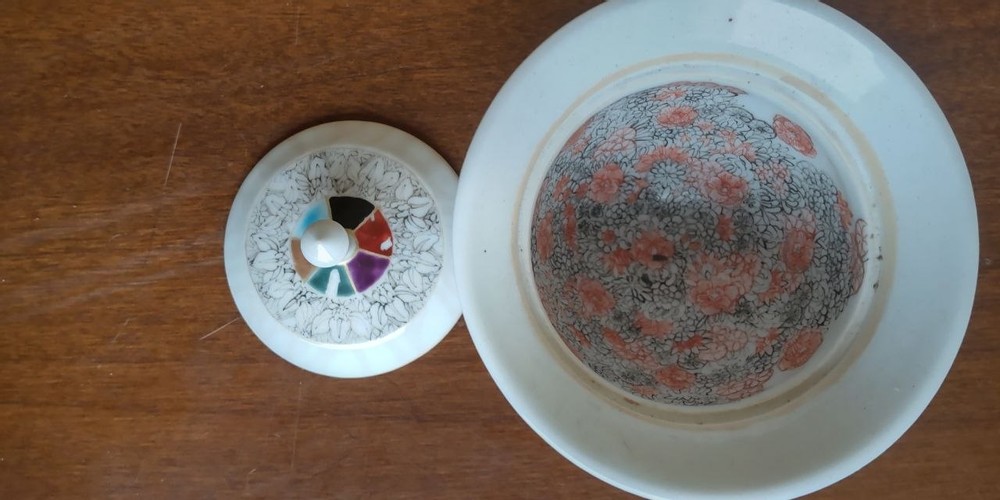
3.
This piece is Limoges Porcelain, which I bought in Italy. I've been collecting Limoges for years, and it was my first time trying to paint something in the Japanese style. It became my first test piece. I wanted to know if the graze, colors and enamel would work well together, so I first put some enamel and fired the lid part. At that stage, it looked fine.
I added more details and fired several times. The enamel gradually started chipping.
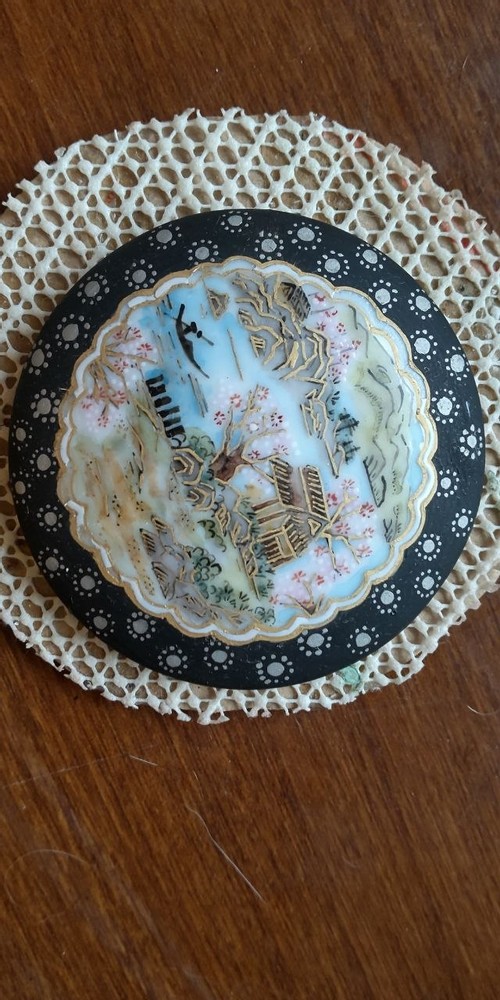
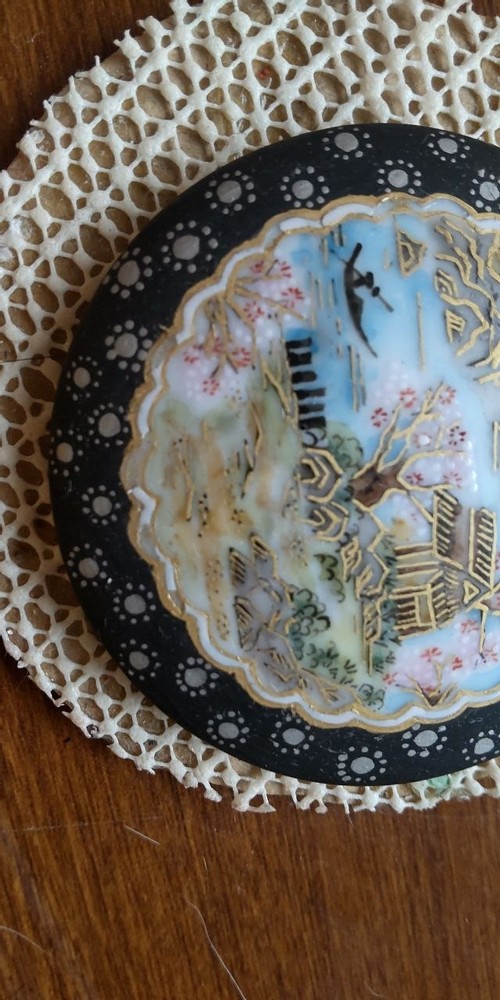
It wasn't only that but the container also cracked! I believed that Limoges are one of the best quality porcelain, so I was shocked when I found it.
However, I believe that I can fix the crack and chip. I'll remove all the enamel part using my electric drill and I'll fix the crack part using my kintugi technique.
4.
This failure was also shocking. After the last fire, I found a crack again on one of the legs. It might be hard to see, but when you look at the joint part between the container and the leg, you see the crack. Fortunately, I can repair this with my kintsugi technique as well.
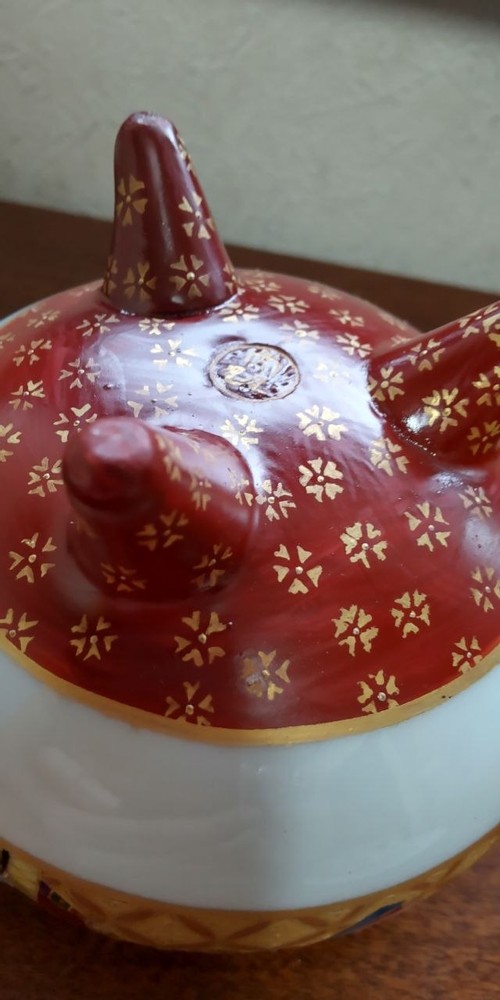
The lid part also got some cracks, but they seems to be only the surface. In Japanese porcelain pieces, we often see this type of surface clacks, which is called kannyu. I might be wrong, but I decided to keep working on this.
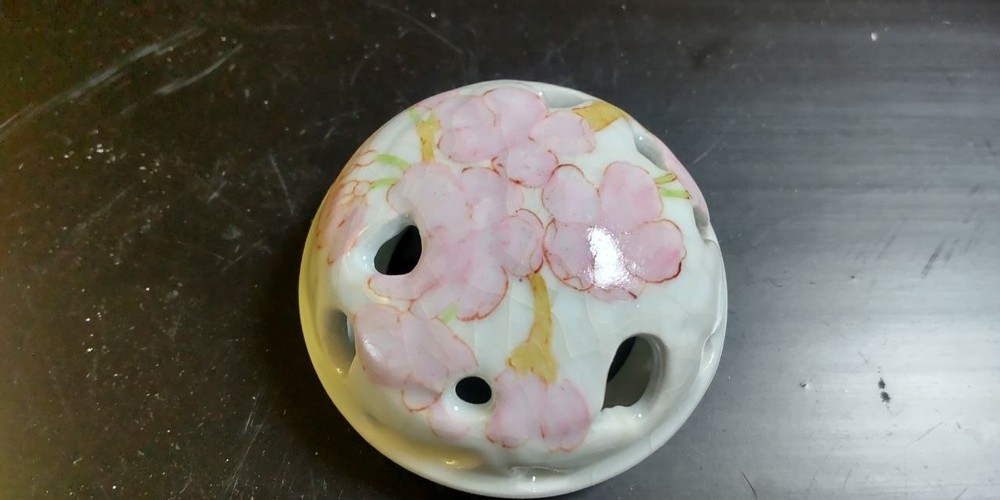
I haven't fired the piece again yet, but I hope it won't crack deeper and I'll be able to finish this.
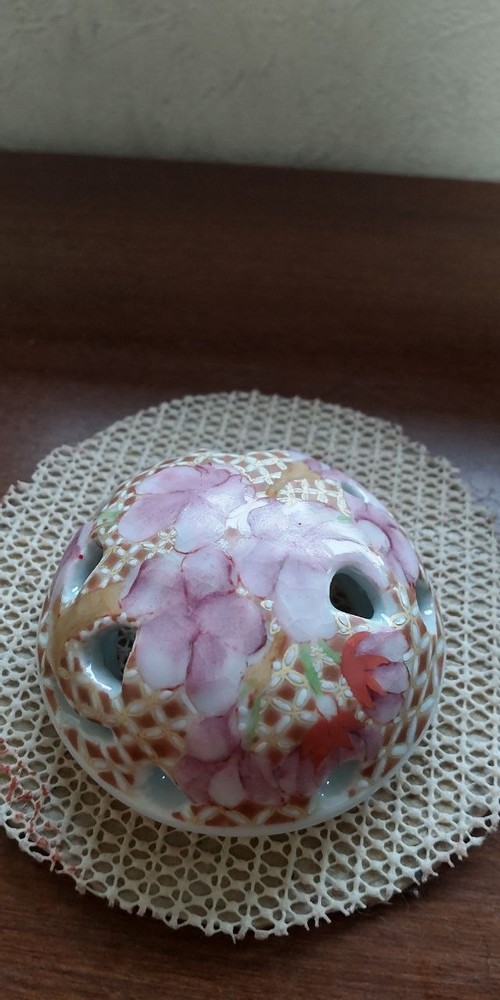
I can't finish No.1 and 2, but I guess I'll be able to complete No.3 and 4. When I finish these, I'll show you them here.
(5154)

It must be dreadful knowing that your pieces might start chipping anytime, and there's no way to prevent it.
Thanks for sharing. Failures seem seem to be inevitable to the road to success.
I actually wouldn't mind the cracks and chips — I think imperfection is as beautiful as perfection in certain things. This would be one of them.
@Simone- I won't happen every time I fire. Wile repeating making mistakes, we all learn. I've learned so many things. Now, I learned my Japanese enamel doesn't work on Limoges porcelain, or my Japanese matte black doesn't work on some porcelain. I won't use the combinations anymore to avoid the problems.
@T-Newfields Thank you so much for correcting such a long entry. I believe that too!
@CocoPop Thank you so much for what you're doing. I do appreciate a lot. If I won't sell these, I don't care, but if I want to do, I need perfect pieces. I know what you means because wabi-sabi is that. I love what you think as well.