Have you ever wondered why it's mostly men who dominate big sporting events? Current research suggests that it's due to a lack of opportunity. Women oftentimes had to fight to participate in sports. Katherine Virginia Switzer, for instance, is supposedly the first woman to run a marathon as an officially registered competitor, although she was registered simply as her initials, K. V. Switzer. Guess the year.
It was in 1967.
A year prior, Bobbi Gibb had snuck into the crowd and finished the marathon faster than two thirds of the men who participated. 1972 was the year the Boston Marathon opened a women's division and officially allowed women to compete. In 1996, Bobbi Gibb's efforts were retroactively recognized.
It took twelve more years for the women's marathon to become an Olympic event in 1984.
The pretext for excluding women from competing was that our bodies weren't made for longer races or something along those lines.
Fast forward to 2026: Ultramarathons are a thing now, and one of them is called the Cocodona 250. It takes place at the beginning of May in the Sonoran Desert in Arizona. The course is 253 miles long -- that's 407 km -- and in 2026 a new course record of 56 hours 9 minutes and 48 seconds was set by Rachel Entrekin. Mind you, she only slept -- or rather napped -- 19 minutes during those two days and eight hours. Have you ever stayed up that long? I sure haven't. That's an incredible achievement given that Rachel finished the race more than 2.5 hours faster than the previous record of 58:47:18. Kilian North set a new men's record of 57:28:36 that same year.
So we're seeing that not only are women perfectly capable of competing in endurance sports but they can even be faster than their male competitors if given the opportunity.
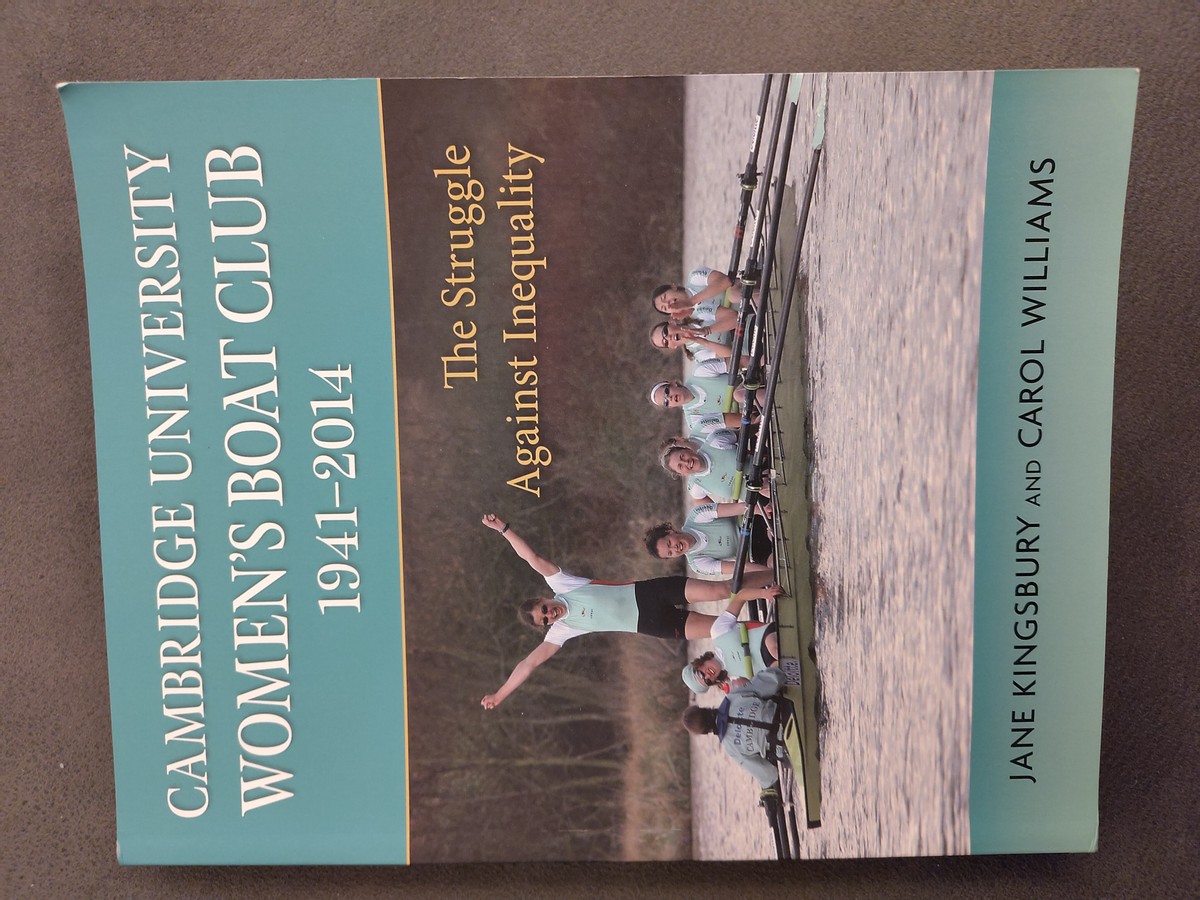
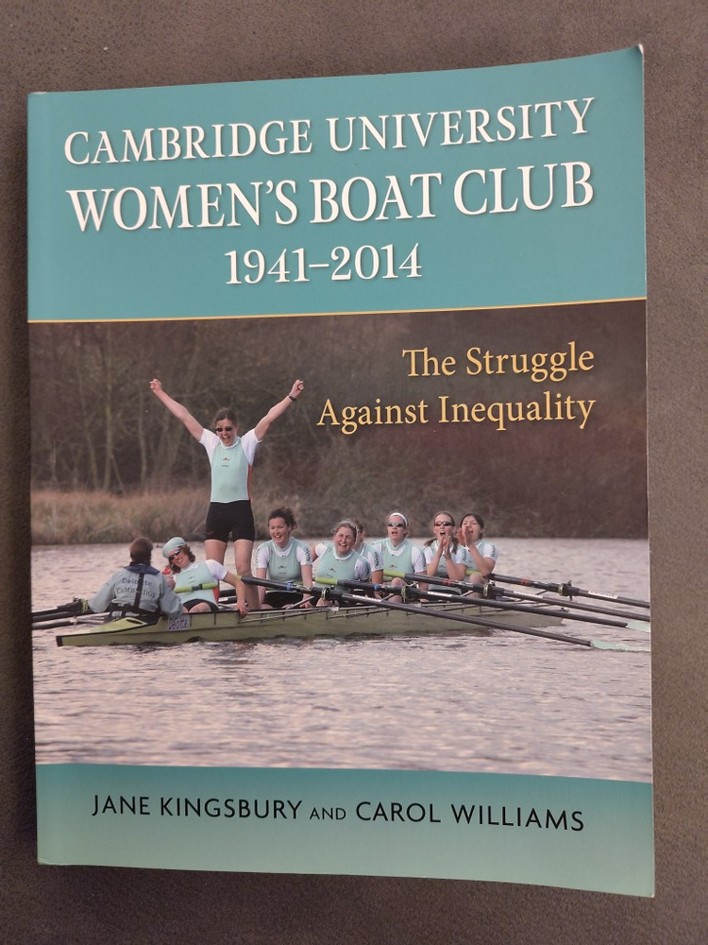
I'm currently reading a book about the inequality of women in rowing and it seems to follow the same pattern: Women aren't given the opportunity to take part in races, or even to practice sports. Women had to found and fund their own clubs and fight for their right to participate in racing. Up until 2015, women's crews weren't allowed to race on the same day as the men at the prestigious Henley Royal Regatta.
So next time you see women competing in sports, cheer extra for them!
Great post, Linda! You extended yourself and talked about something outside of your usual topics and it was so interesting. Reading this makes me even more furious that after everything it took for women to be able to participate in sports like this one, they then allowed men who identify as women to infiltrate their sports.
Women sure are more fun to watch than men in certain sports. Off the top of my mind, I can think of biathlon and volleyball. Motorsports, however, are still dominated by men. I'd like to see women racing in Formula One or MotoGP one day. On the other hand, there are already a lot of female engineers working in F1 teams.