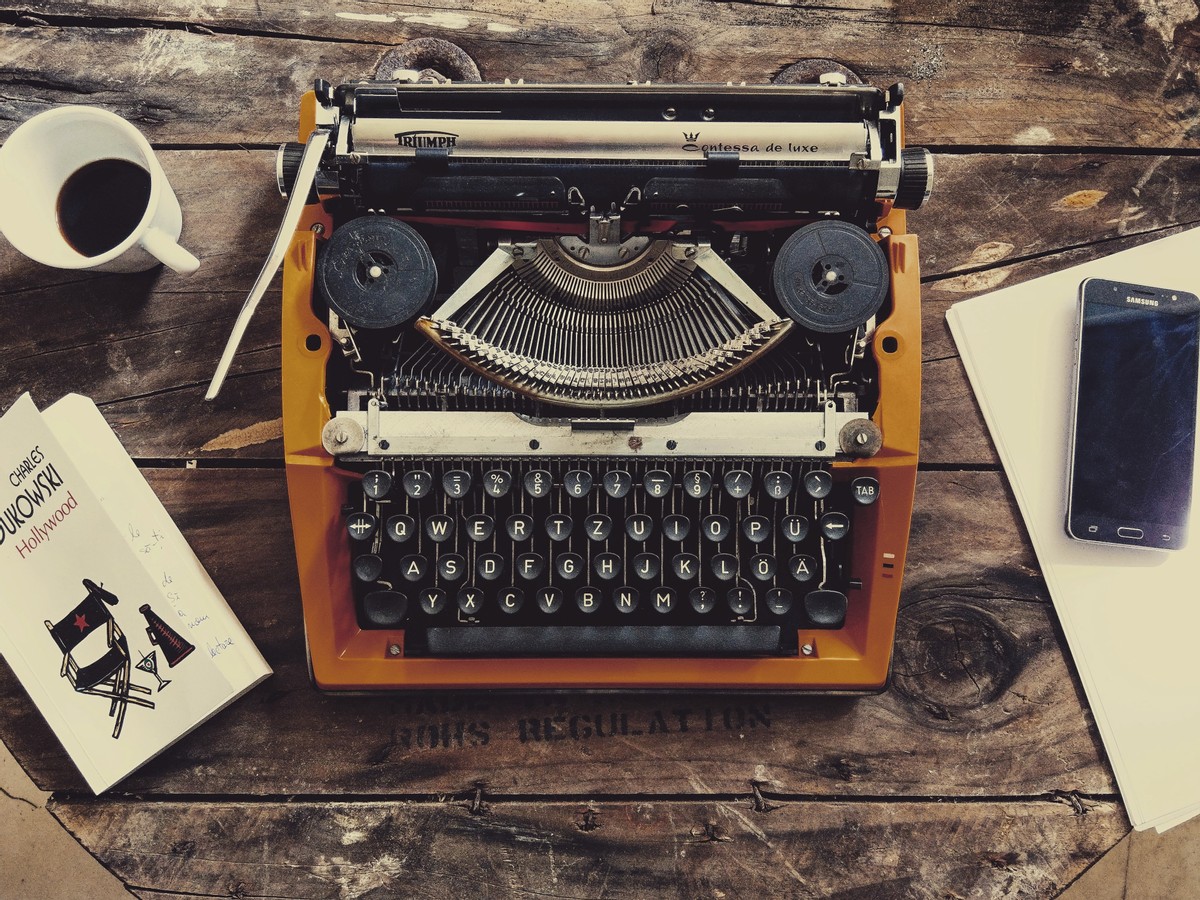
Here I am again, with the book Advanced Grammar in Use in front of me. It’s a very well-known book among English students. I used to follow its grammar rules to a tee until I finally took my nose out of textbooks and focused on the real world. I also dropped out of English school soon after. My teacher and his obsession with the present progressive didn’t help. He kept saying that this verb form is only for actions in progress or “agenda” plans, and never, ever with stative verbs. But... what about this?
“I’m not doing the dishes. I’m not feeling well. Besides, it’s your turn.”
Boom. The book proved my teacher wrong and real life itself proved the book inaccurate, or at least not very realistic. Reality also taught me that I was messing with my English all the time — a habit I haven’t quite shook off yet. But that’s another story, one that has more to do with conditionals:
“I wouldn’t have wasted my time or money on textbooks and English courses if I had focused on listening to real English instead.”
That's a classic third conditional. I would've been proud to say that back then. It took me ages to go through the zero, the first, the second, and the third conditional. But then someone dropped the bomb : "Hey! There are also mixed conditionals!" What? Oh boy...
If I hadn’t left traditional language learning a few years ago, I wouldn’t be writing nonsense here now.
Mixed conditionals are amazing. They give you hope — that little feeling that it’s not too late. They let you connect the past to the present and the future, and the other way around. No wonder I got so lost watching Back to the Future II back in the day. I didn’t even know mixed conditionals existed.
I love mixed conditionals as well 😄 And if I weren't lazy, I would have already started reviewing Advanced Grammar in Use as well 🤣 The digital edition has been sitting idly in a folder on my computer for a while.
Hi, @Lokus. Oh, yeah, mixed conditionals are anything but boring. Beyoncé successfully gave the second conditional a second chance with her If I Were a Boy... but it was short-lived. :D
The book is great, but you know, it's grammar on steroids. If I hadn't bought such an old edition back then ( Martin Hewings must have published it when he was in kindergarten) I'd be using the digital version now.
Well written and intriguing.
Thank you, @T-Newfields