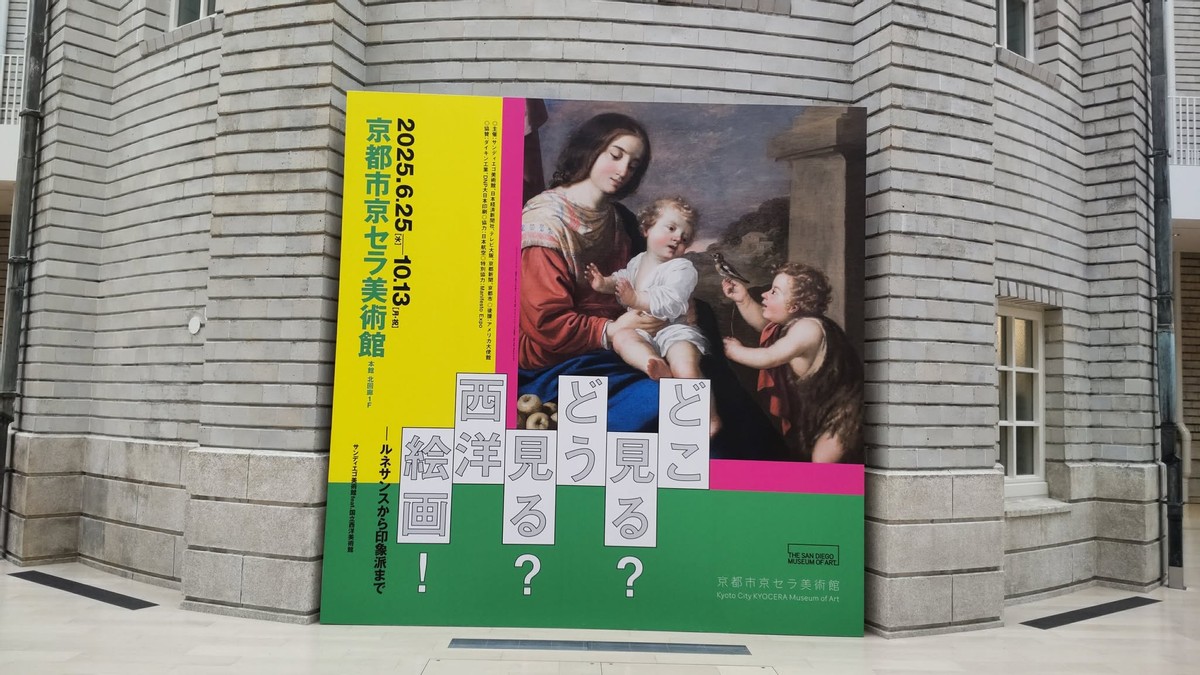
Last month, I attended an art exhibition featuring collections from San Diego museum of art. Since I've heard about the museum from my friend from Texas, I was looking forward to seeing their works.
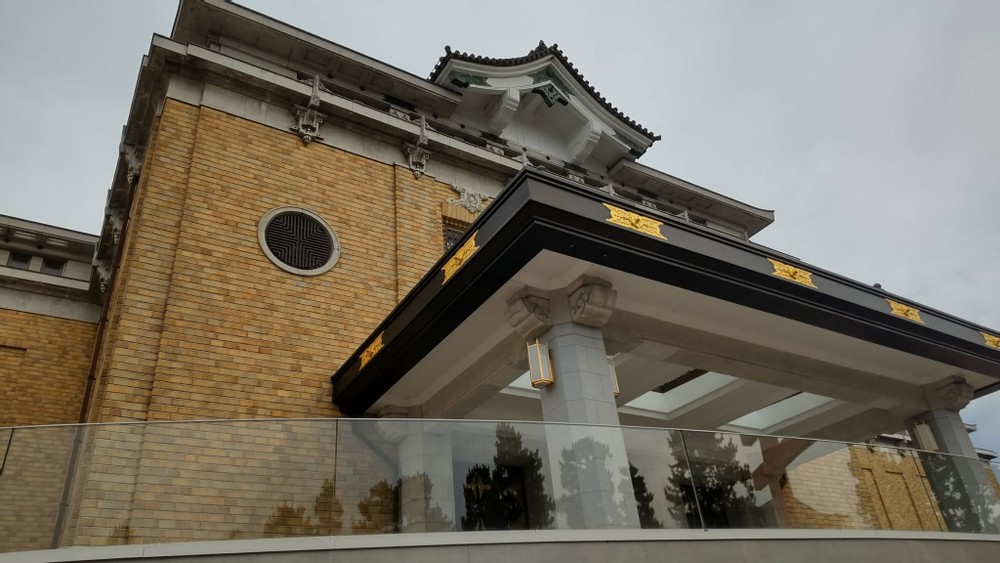
San Diego museum of art established in 1926 and has over 32,000 art pieces, which especially features Italian and Spanish art.
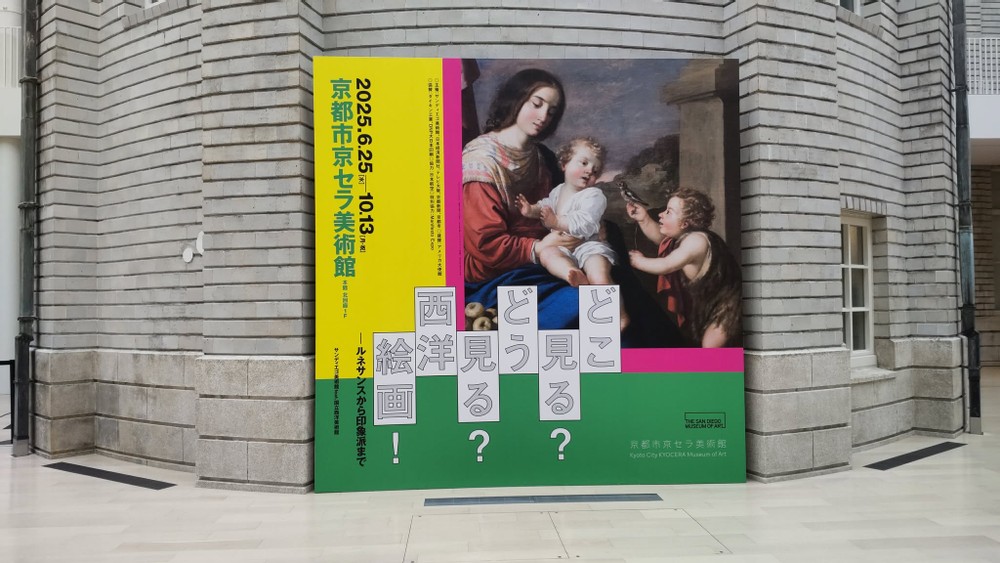
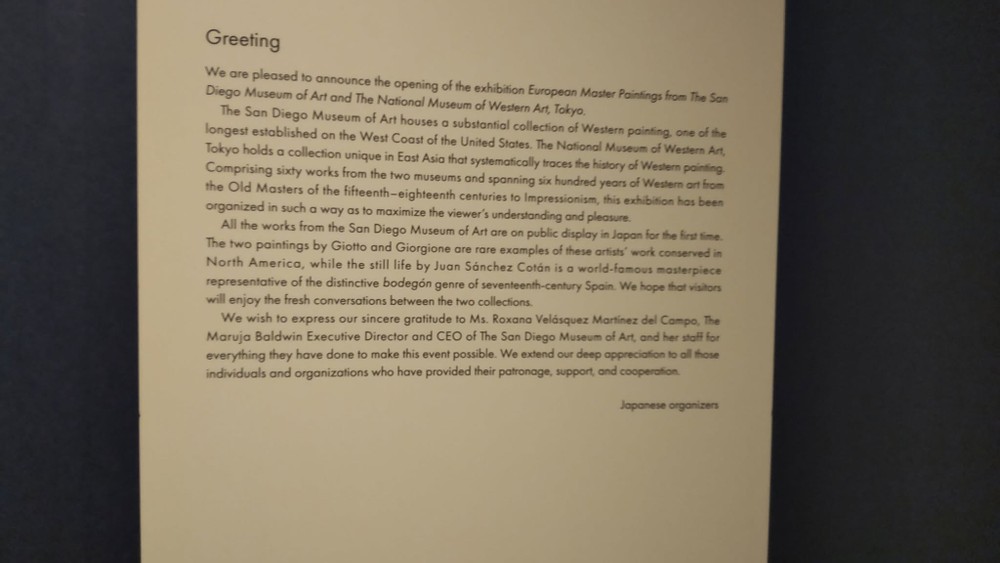
The exhibition started with frescoes. I'm a big fan of that style, so I truly enjoyed looking around.
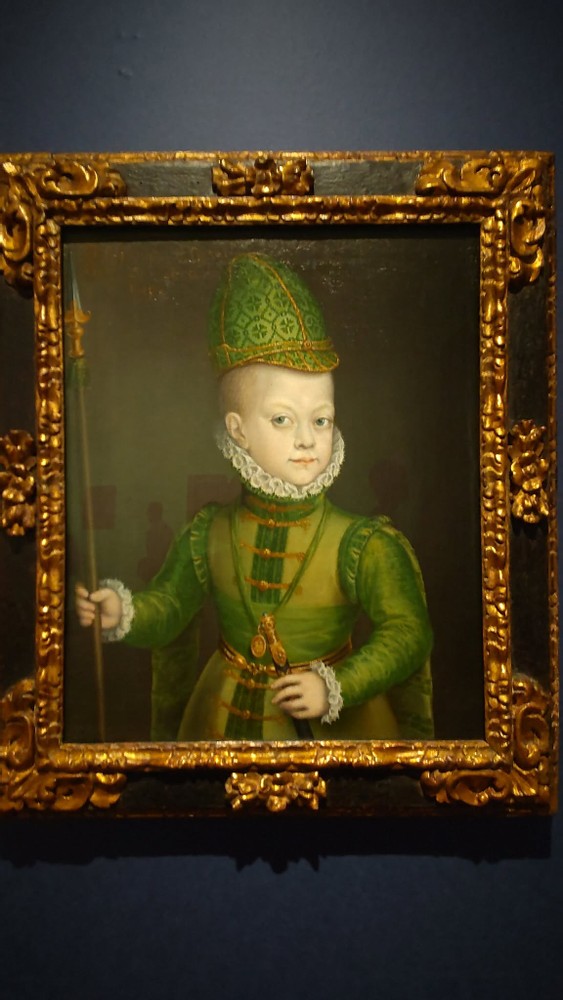
Portrait of Spanish prince painted by a female painter, Sofanisba Anguissala (1573). She was born in the northern Italy and later moved to Spain.
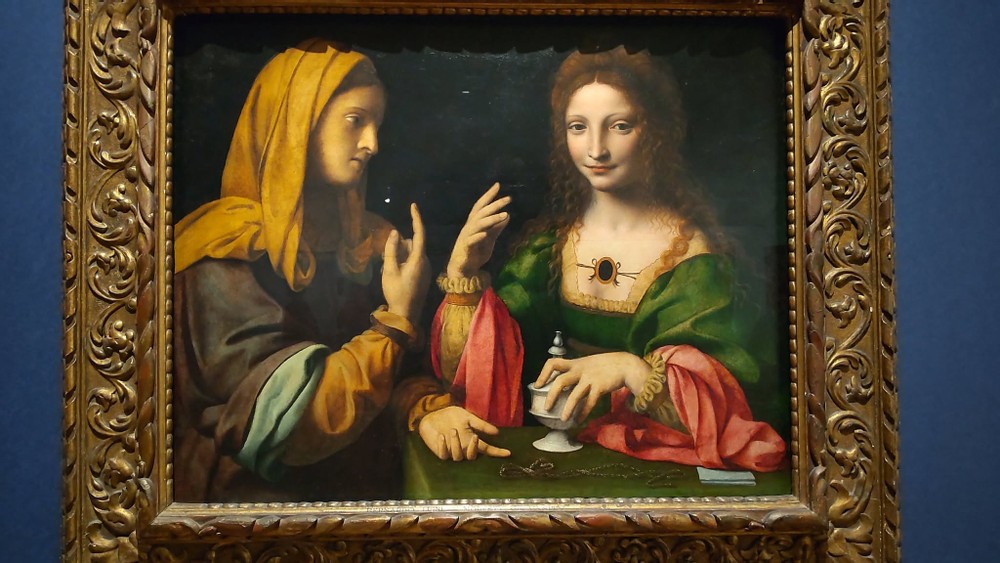
The Conversion of the Magdalene by Bernardino Luini (1520), who was an apprentice of Leonardo Da Vinci. I think the woman on the right looks like Mona Lisa.
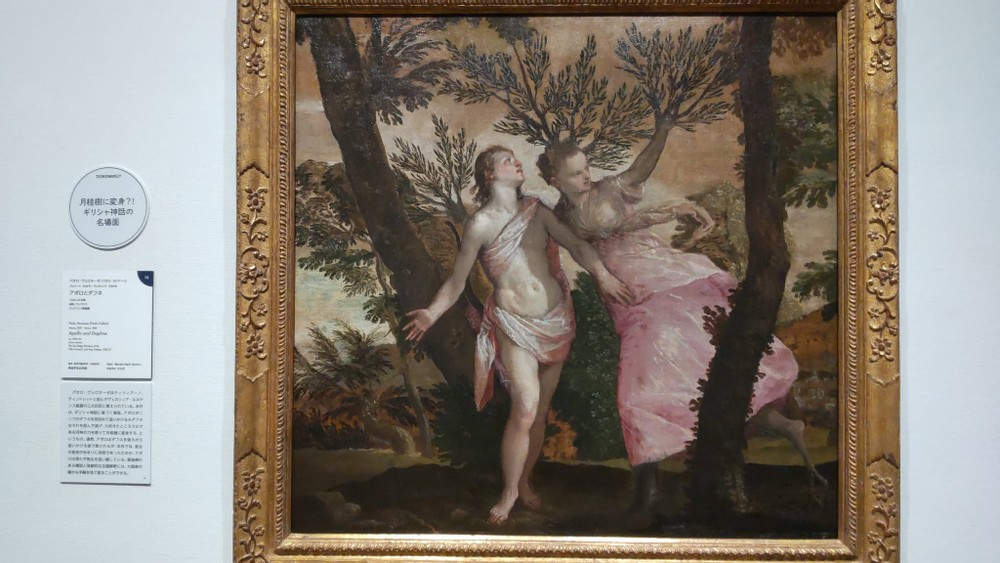
Apollo and Daphne painted by Paolo Veronese (1560-65). Paolo Veronese is considered one of the top three masters of Venetian Renaissance art. The painting is one of the scenes from Greek Methodology.
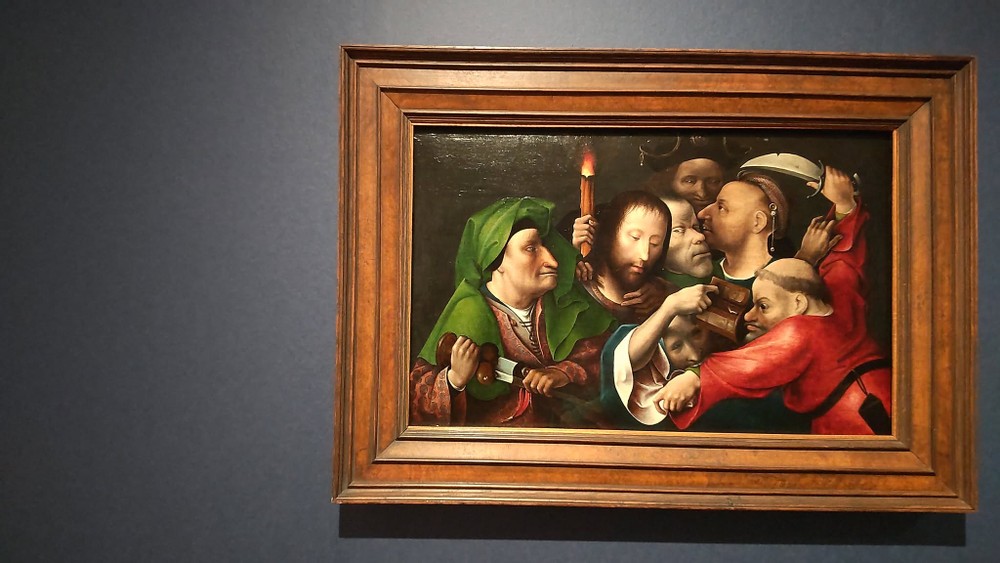
The Arrest of Christ by Hieronymus Bosch (1515). Everybody's facial expression looks quite creepy.
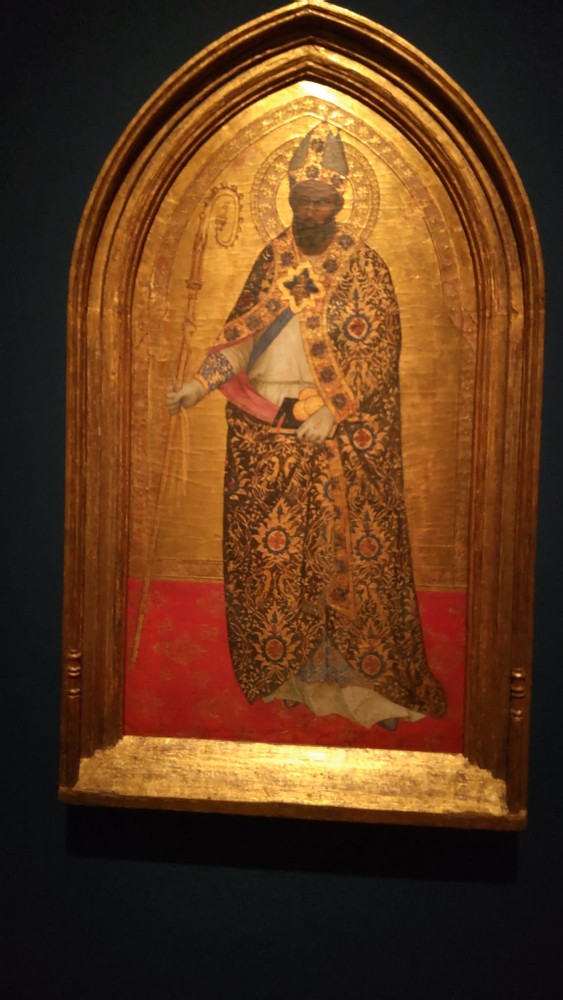
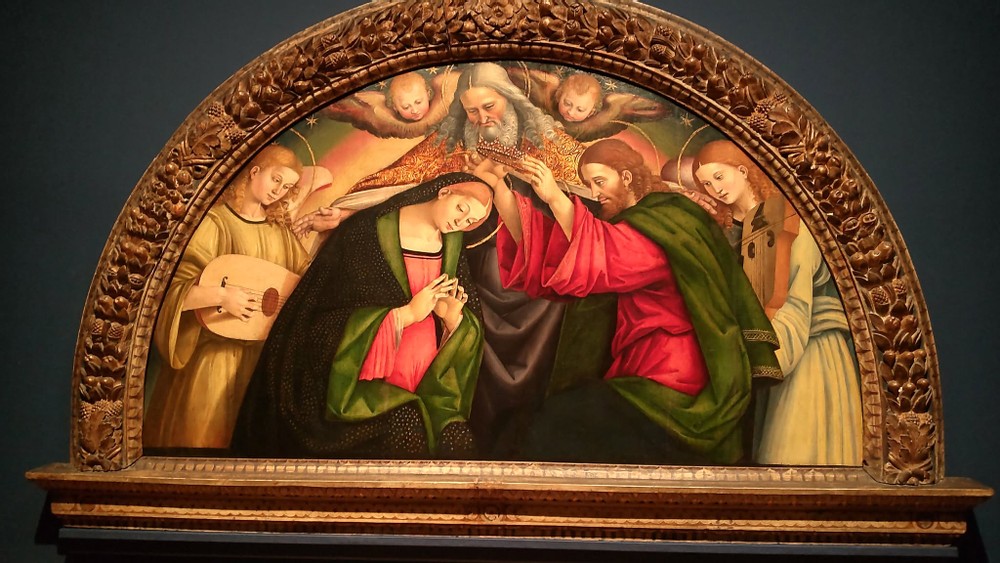
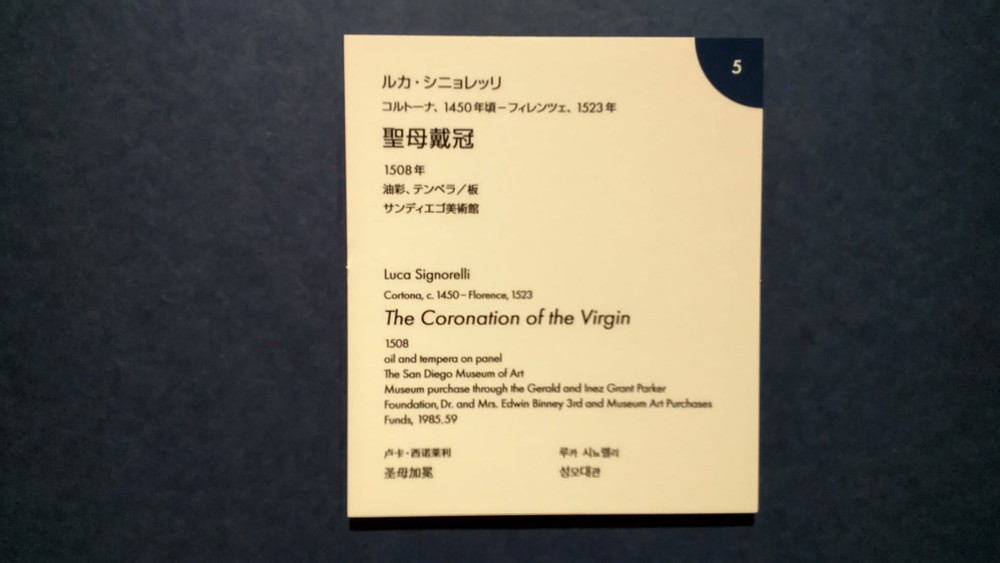
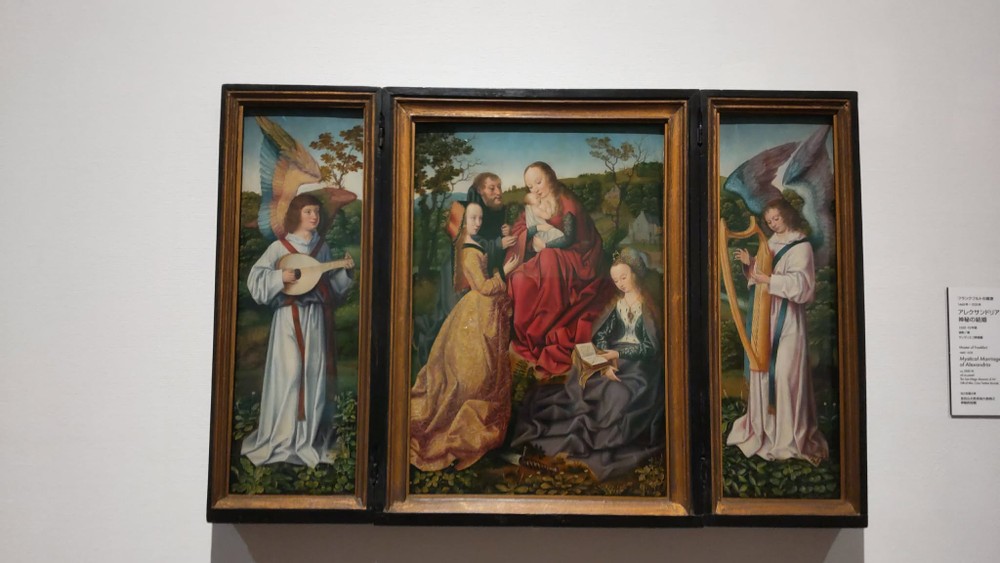
Mystical Marriage of Saint Catherine of Alexandria.
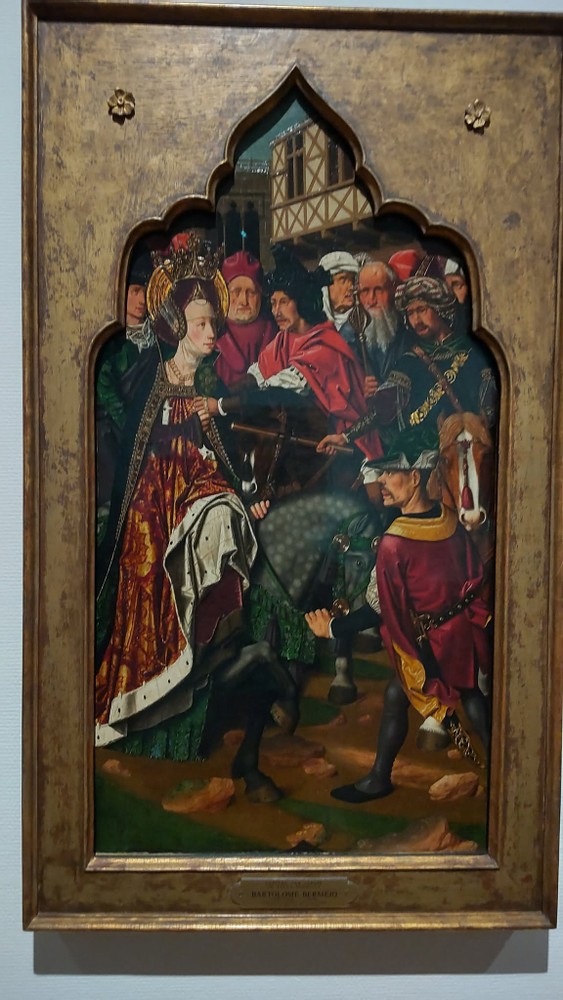
The Arrest of Saint Engracia by Bartolome Bermejo (1474-77).
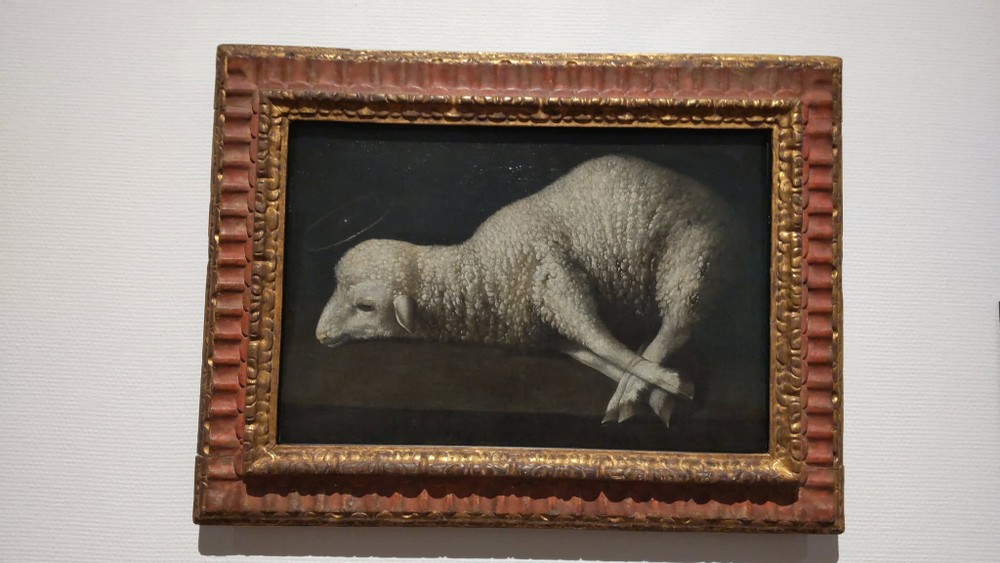
From the 16th century to the 17th century, still life paintings became popular in European countries. In Spain, this style was known as Bodegón.
Agnus Dei by Francisco de Zubaran (1635-40).
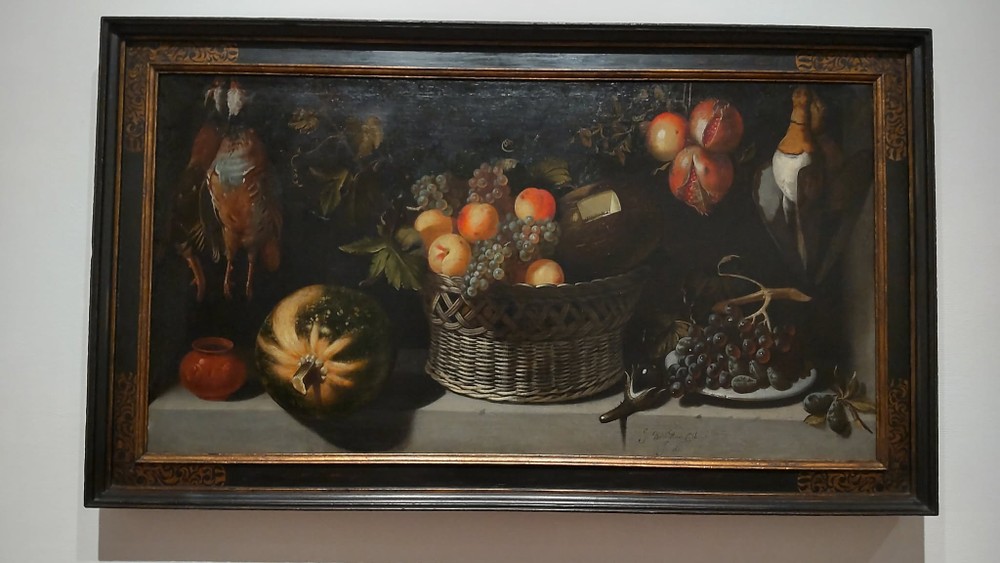
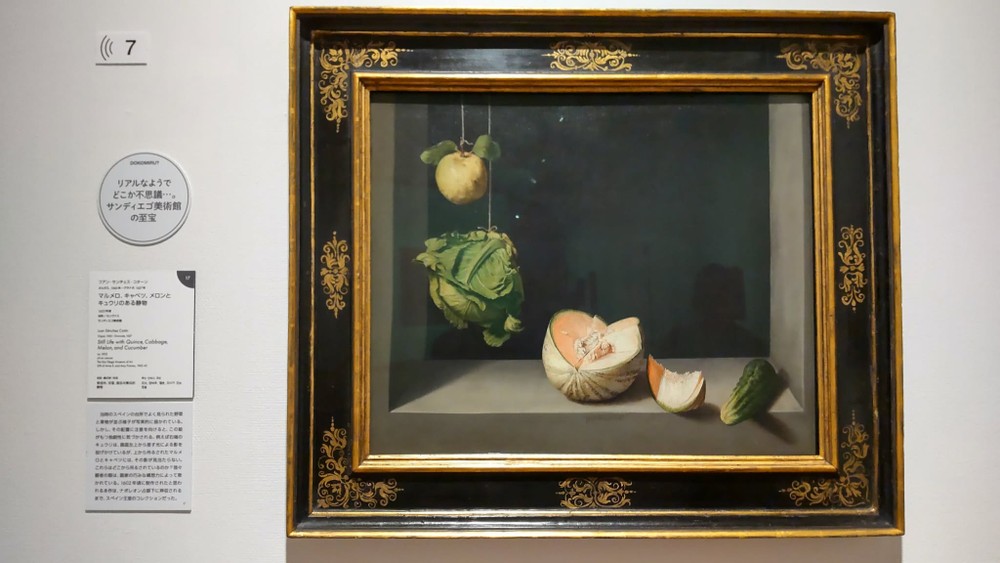
Still life with Quince, Cabbage, Melon, and Cucumber by Juan Sanchez Catan (1602). I used to love painting still lifes with oil paints before starting painting on porcelain. I especially enjoyed low-key compositions, so these works are absolutely my favorites.
After Caravaggio passed away, painting like he became trendy.
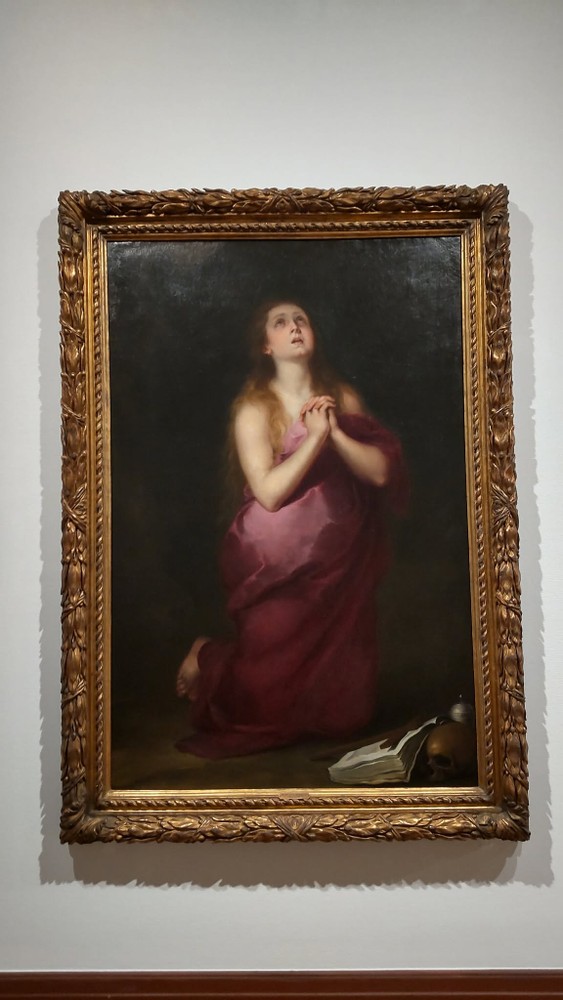
The Penitent Magdalene by Gulio Prococcini (1620).
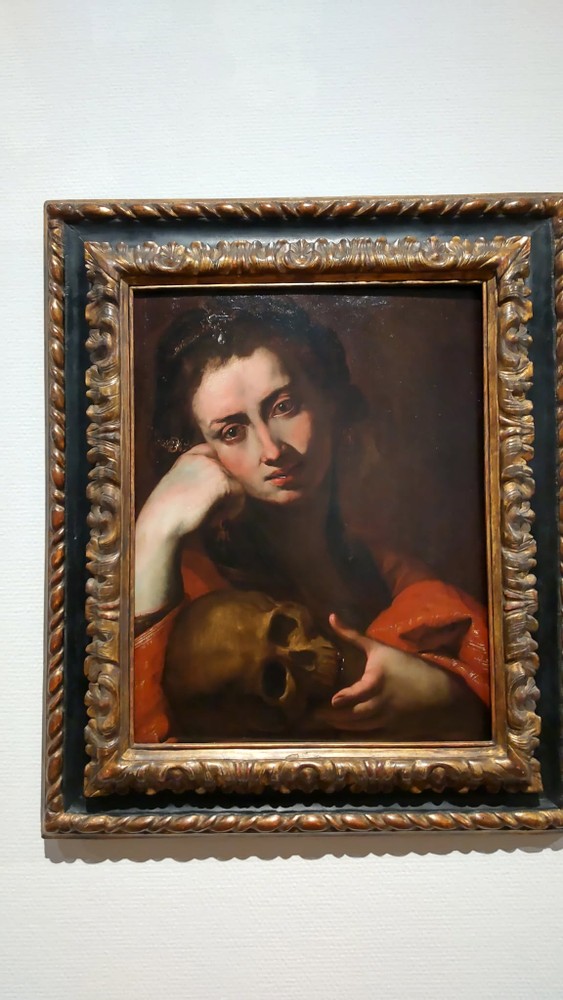
Susanna and the Elders by Josepe de Rivera (1615). I can clearly see the Caravaggio's dramatic influence in this painting.
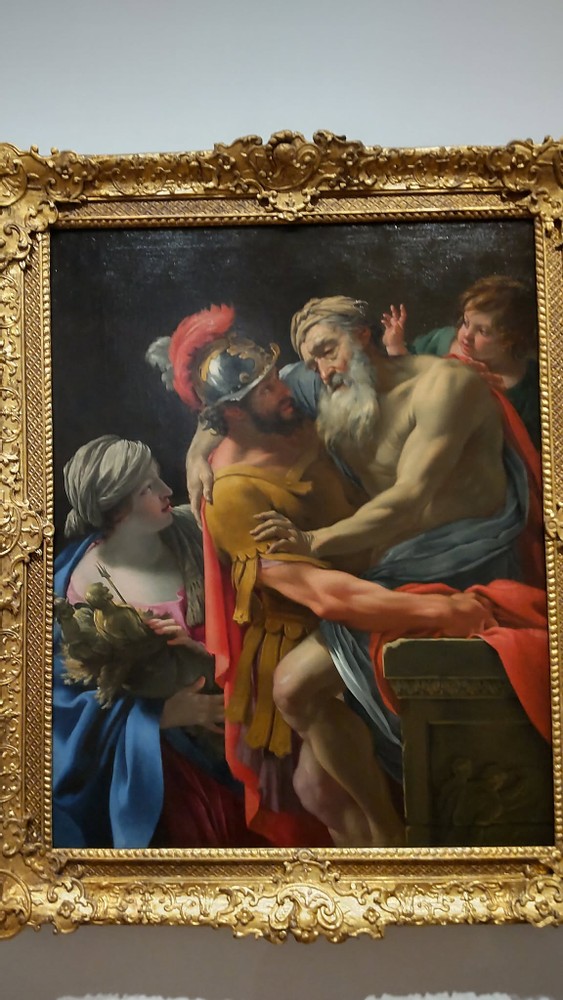
Aeneas and His Father Fleeing Troy by Simon Vouet (1635). Simon Vouet was from Paris and spent some time living in Rome.
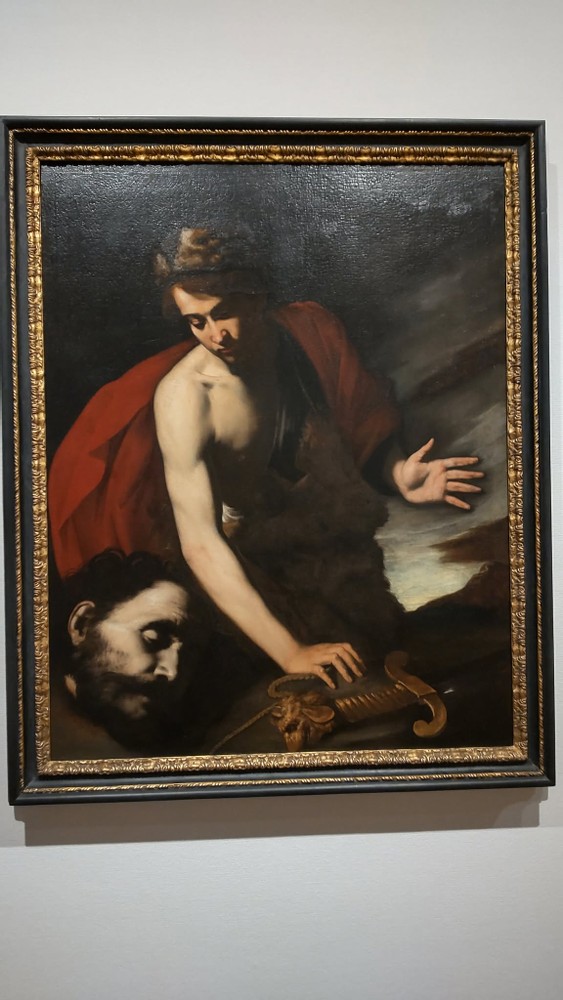
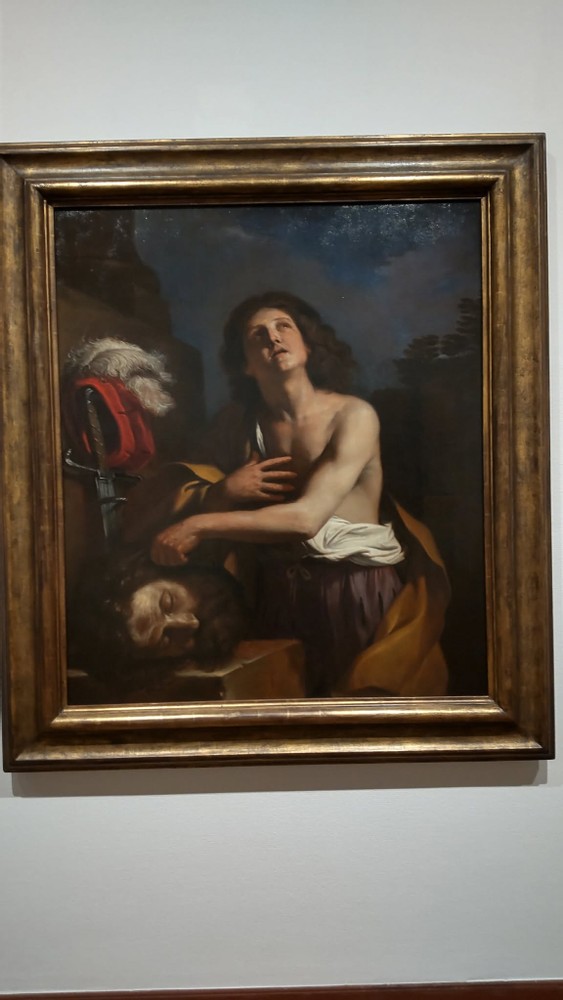
David with Head of Goliath by Antonio de Bellis (1642-43). When I looked at this painting, I thought of my Jewish friend who once told me the story.
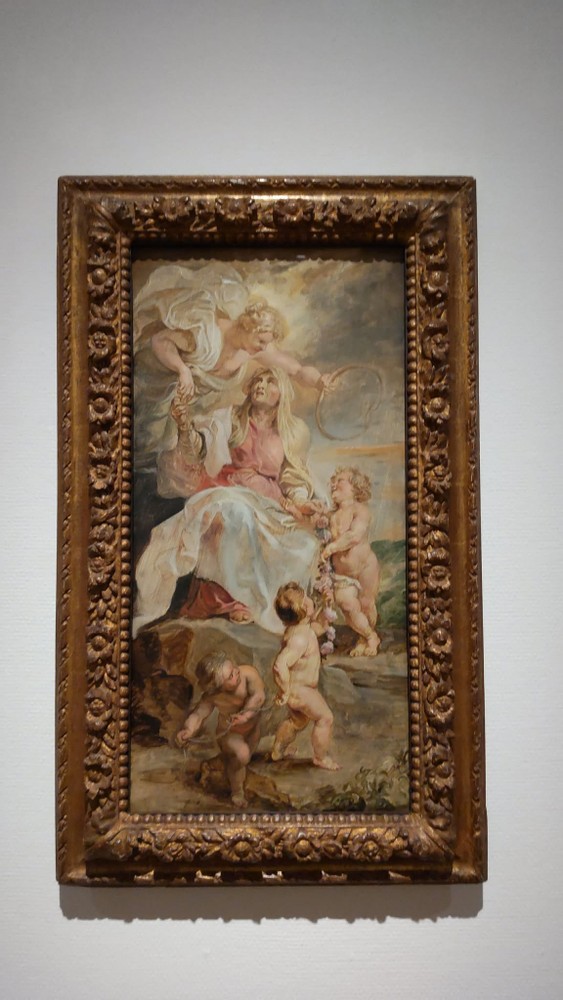
Allegory of Eternity, the Succession of the Popes by Peter Paul Rubens (1622-25). This painting was actually a sketch for a tapestry. Even so, it was magnificent because it's from Rubens.
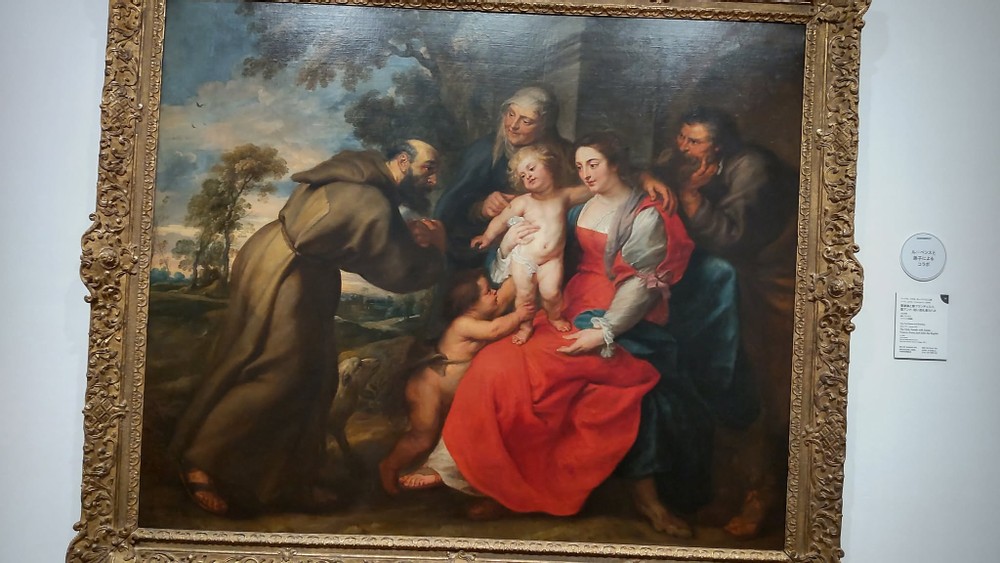
The Holy Family with Saints Francesco, Anna, John the Baptist by Rubens and his apprentices (1630).
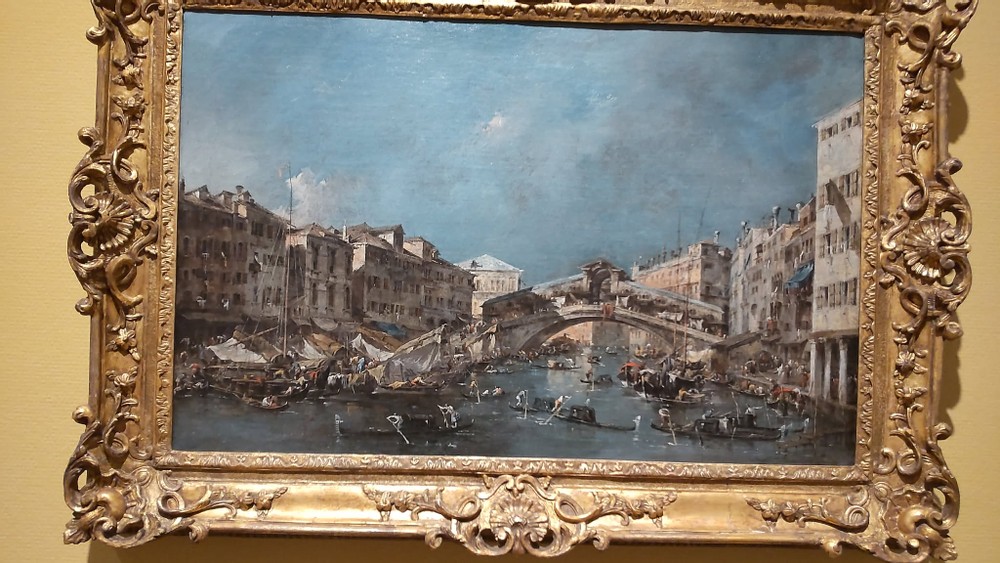
The Grand Canal with the Rialto Bridge from the South by Francesco Guardi (1775).
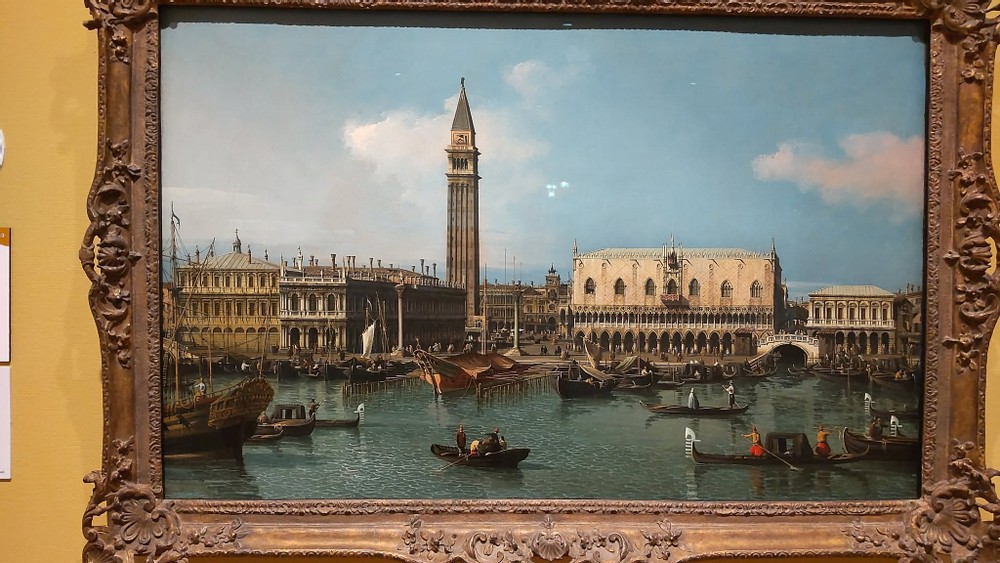
The Molo from the Basin of San Marco, Venice by Bernardo Bellotto. When I first saw this painting, I thought it was by one of my favorite painters, Canaletto, but I was wrong. This painting definitely reminded me of the fun time in Venice with my Italian friends. If you're interested in Canelotto, you can read my post about his paintings here. If you are more curious about my time in Venice, please take a look at my old blog post here. This painting was created in the 18th century, yet even in the 21th century, Venice hasn't changed at all, which always amaze me.
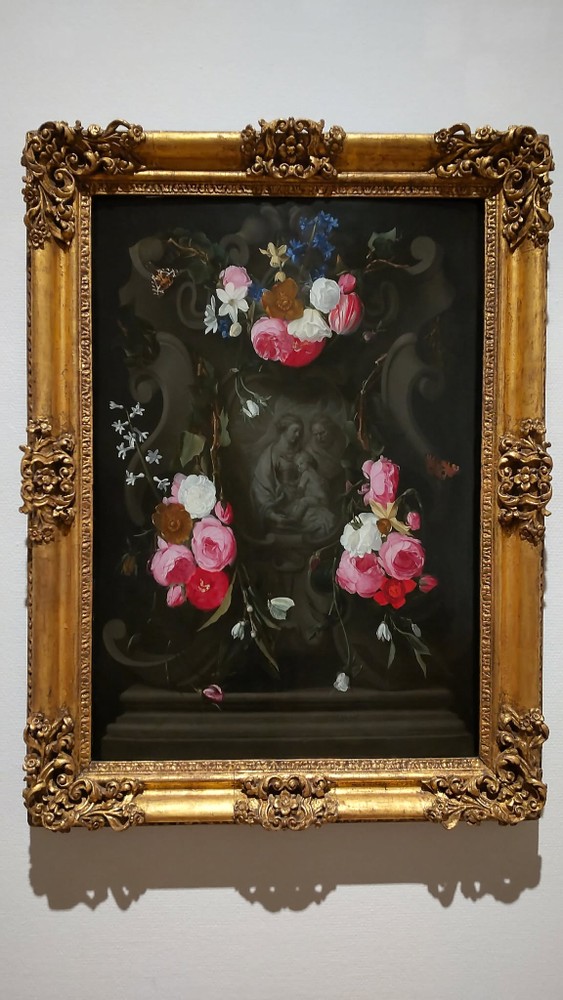
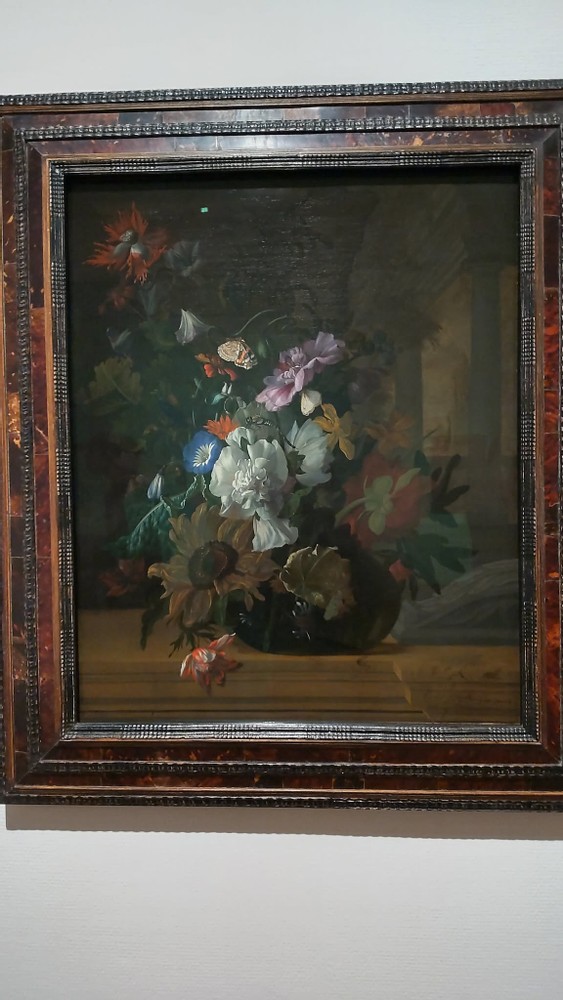
A Vase of Flowers by Rachel Ruysch (1689). Flower painting started in Holand, and Rachel Ruysch, a daughter of a plant biologist was a female painter who was known as an expert of flower paintings.
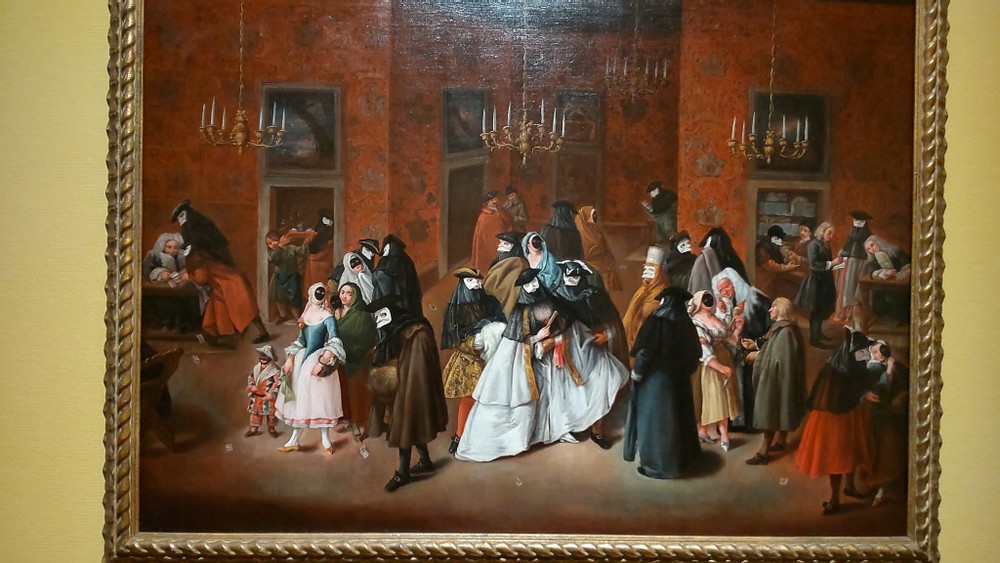
The Radotto by Giuseppe de Gobbis (1760). This painting is a great example to learn what the social gatherings looked like in the 18th centry Venice. It's fascinating to see everybody wearing masks. I'd love to know the reason. It reminded me of the masquerade scene from Romeo and Juliet.
Sleeping Shepherdess by Nocolas Lancert (1730). During the Rococo period, similar themes were often painted. What is the man peeking?
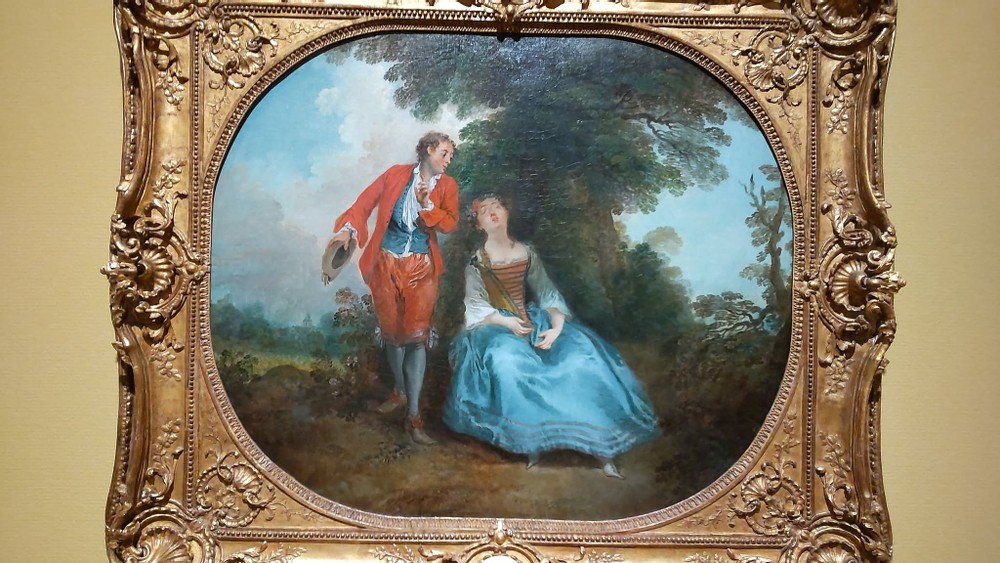
Self-Portrait by Marie-Gabrielle Capet (1763).
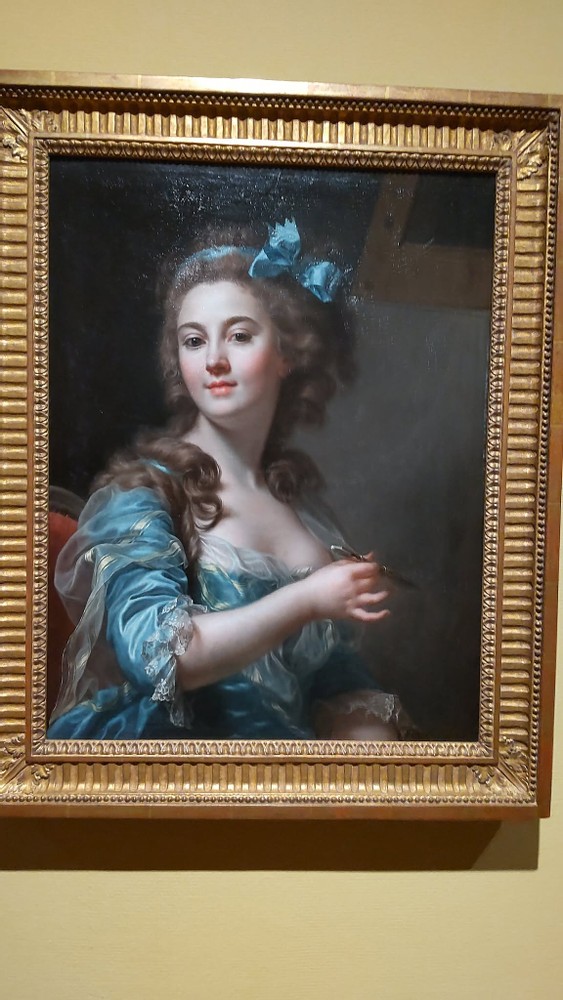
A Marauder by Theodore Robinson (1891).
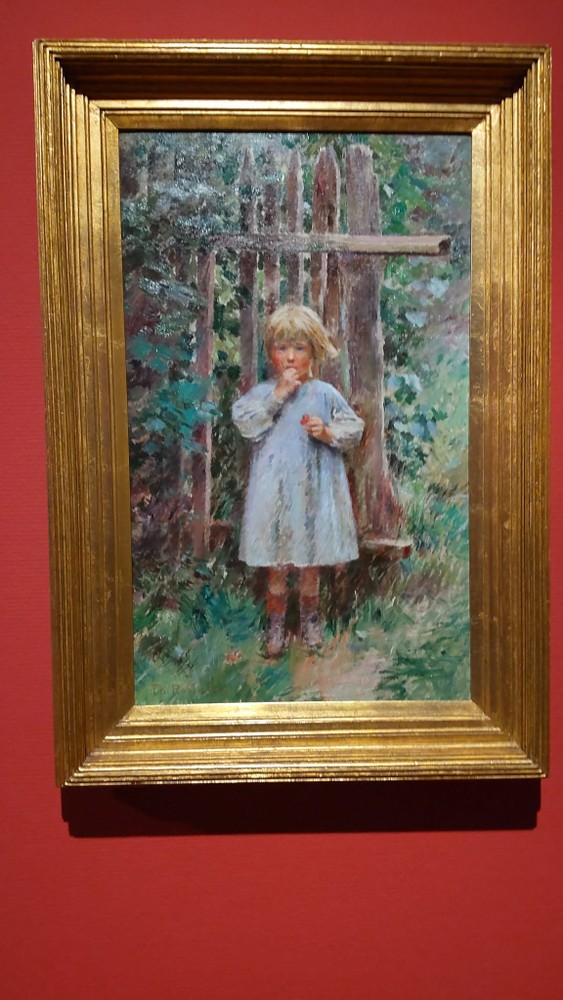
The Young Shepherdess by William-Adolphe Bouguereay (1885).
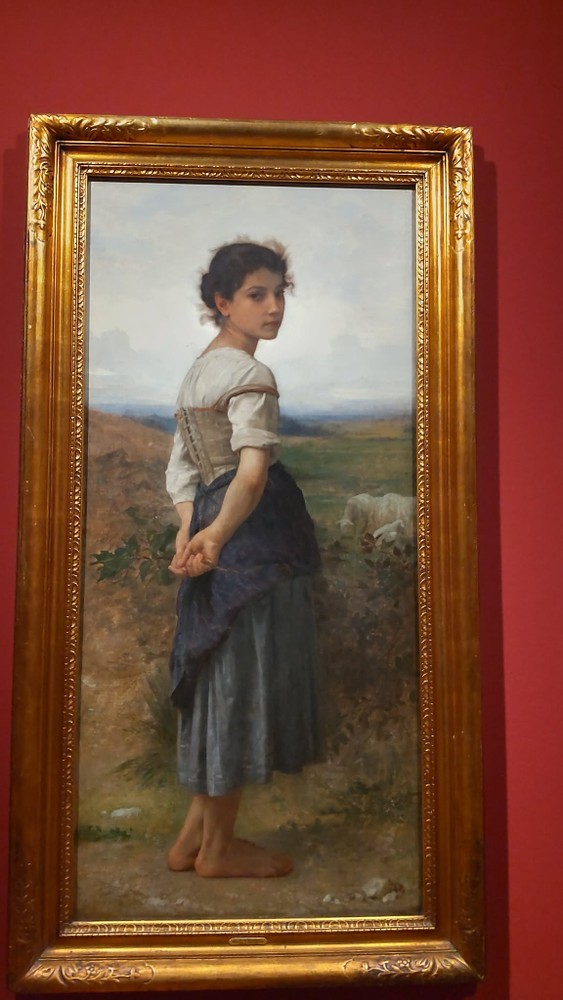
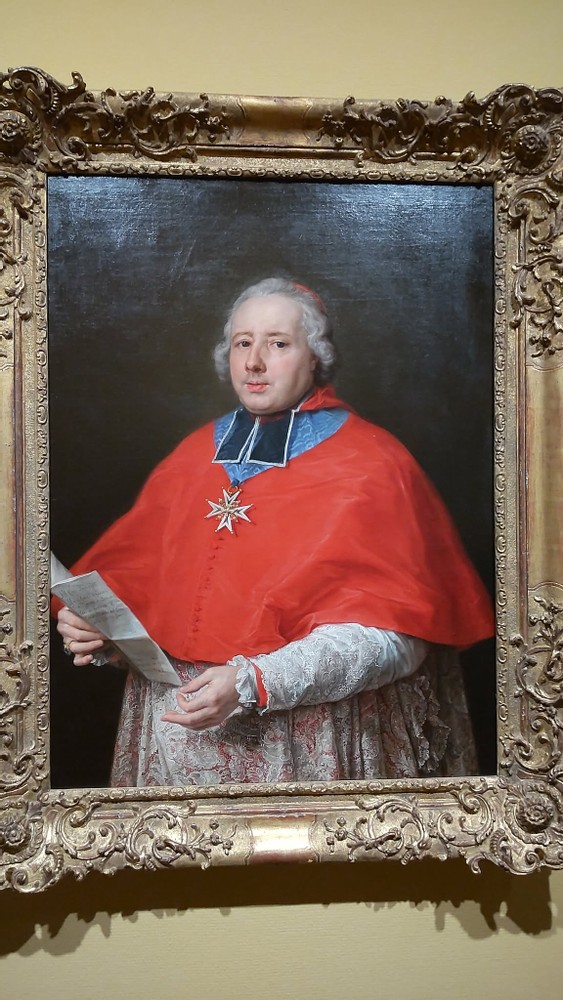
Etienne-Rene, Cardinal Potier de Gesvres by Pompeo Giolomo Botoni (1758). The picture can't capture it well, but the details of this painting was breathtaking.
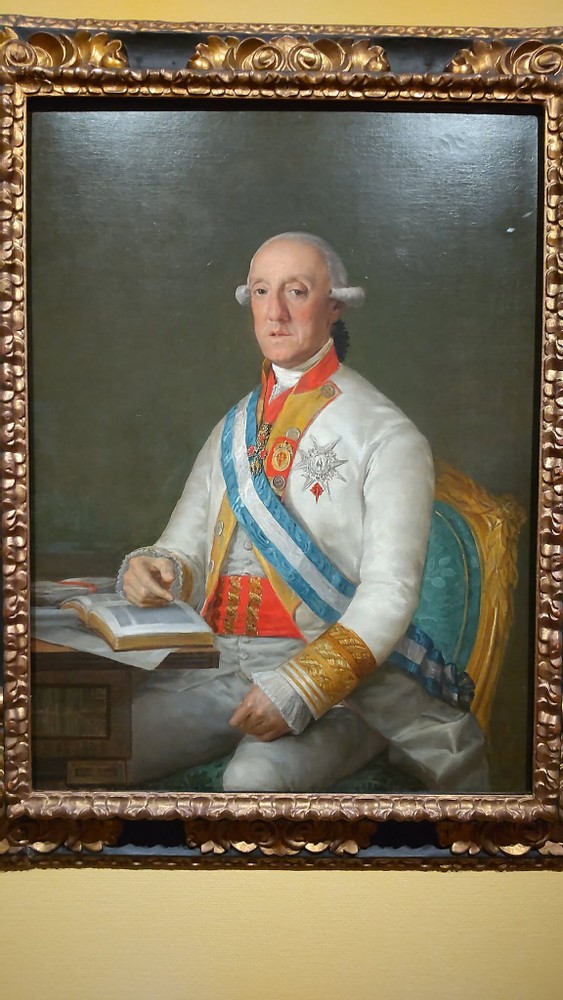
Vicente Maria de Vera de Aragon, Duque de la Roca by Francisco Goya (1795).
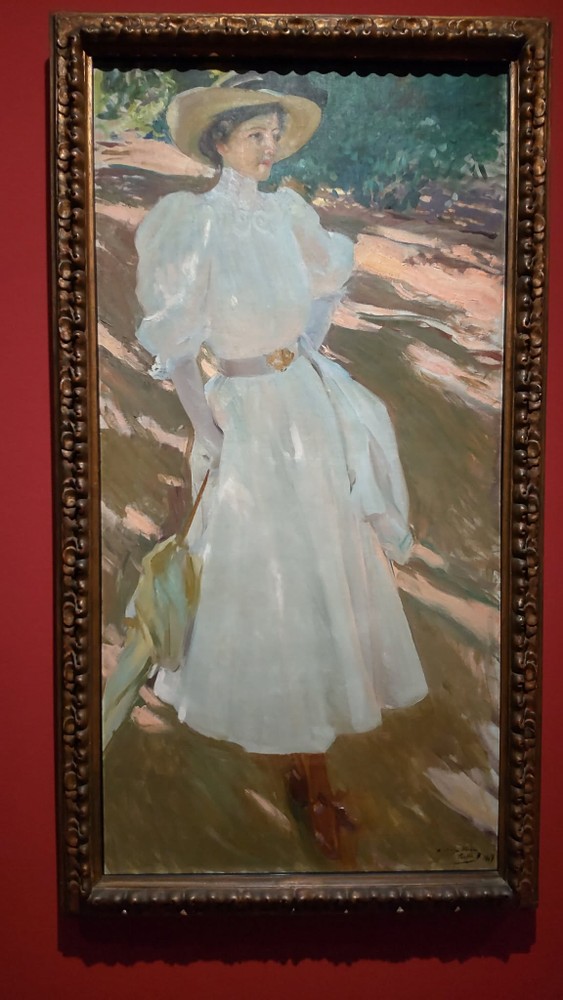
Maria at La Granja by Joaquin Sorolla (1907).
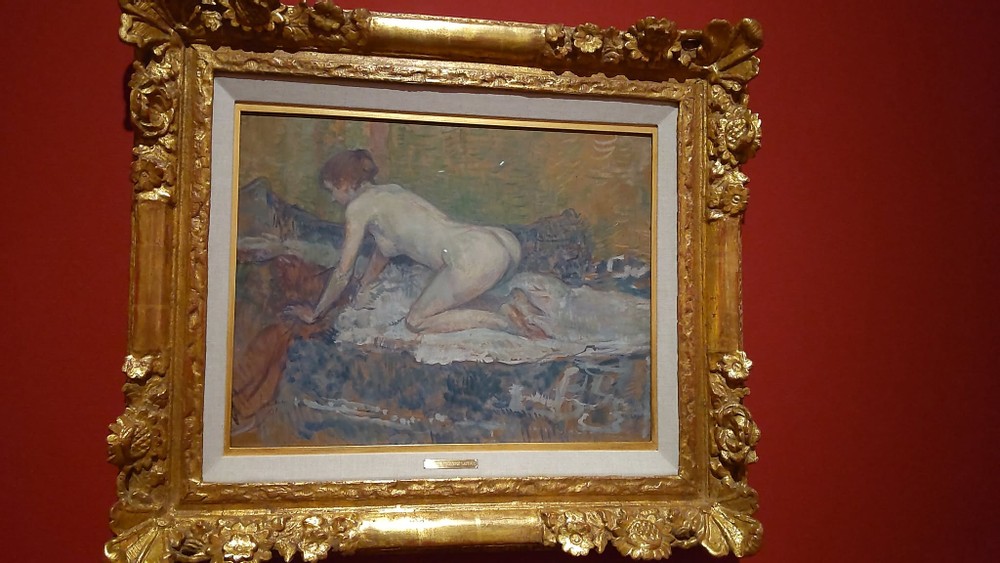
By the Searshore, Valencia by Joaquin Sorolla (1908). This painting is a perfect example for studying shadow and light, absolutely stunning.
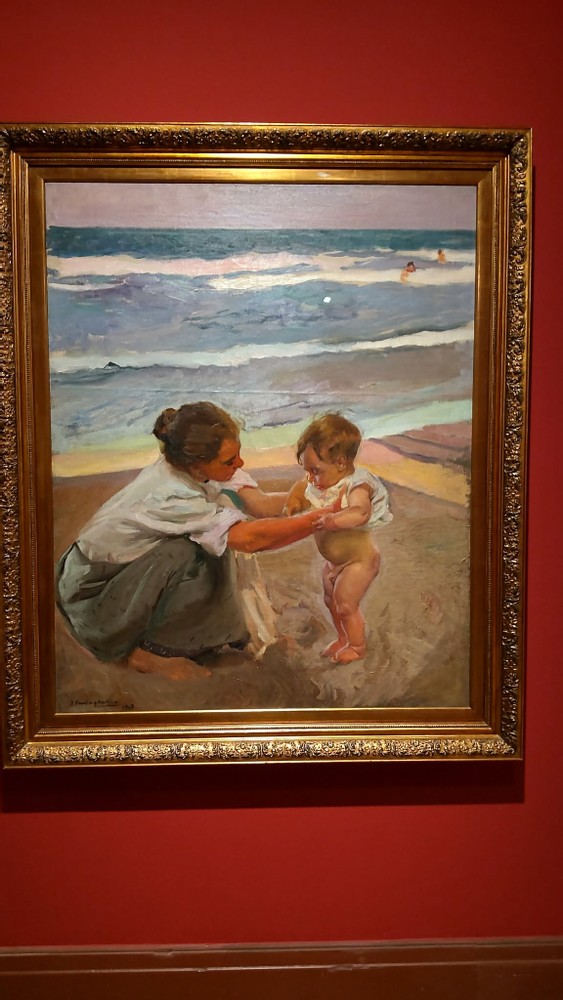
After looking around the exhibition, it made me think I'd love to visit San Diego museum of art someday. They truly have wonderful collections.
(5038)
Wow, that art is so beautiful! We were excited to visit the Ohara Museum of Art when we went to Kurashiki, but it was closed on the day we went (Monday). My wife wants to visit Europe to go to art museums to see paintings like these. You're so lucky!
Last time I checked, San Diego was neither in Italy nor in Europe 😕. Why on earth are there Italian paintings there?! In my humble opinion, museums should only display local artworks. It's perfectly okay to do collabs with other countries and exchange artworks for temporary exhibitions, but you shouldn't own foreign works. I don't care if the San Diego museum paid a lot of money for those paintings; if they paid at all. You know, a lot of things went missing in Italy during WW2...wink wink.
Sorry for the rant😅.
Anyway, that was a great exhibition. Thank you as always for sharing it with us!
@Ersatzjello I'm sorry that the Ohara Muesum didn't open then. Usually most of Japanese museums close on Mondays. When you come to Japan next time, you should avoid Mondays.
Visiting European museums is great! I'd love to join her!!!! Is she interested in going to Saint Petersburg? I know it's still kinda dangerous to go , but I'd love to go there someday, which is on my bucket list.
@Simone- I guess rich Americans bought tons of art pieces from your country or during the WW2 they were stolen. I don't know which, but it also happened in Japan. We lost so many art pieces during the WW2. At least, it's still great that they've decorated these amazing pieces in art museums, and we can appreciate them.
I think the San Diego Museum of Art has definitely amazing collections.
I see your point. At least they're not in a Billionaire's house that the public has no access to.
Yumi, if I were you, I'd wait a few years after the war ends before going to Russia. If Russia ends up annexing a large part of Ukraine, it wouldn't be that foolish to think that the Ukrainians might plan terrorist attacks on Russian soil as an act of resistance and revenge.
@Simone- Thank you for the information. I agree. I'm not sure when I'll be able to go there, but I'd love to visit The State Hermitage Museum someday. I've seen breathtaking art pieces only via YouTube, yet they're still amazing!!