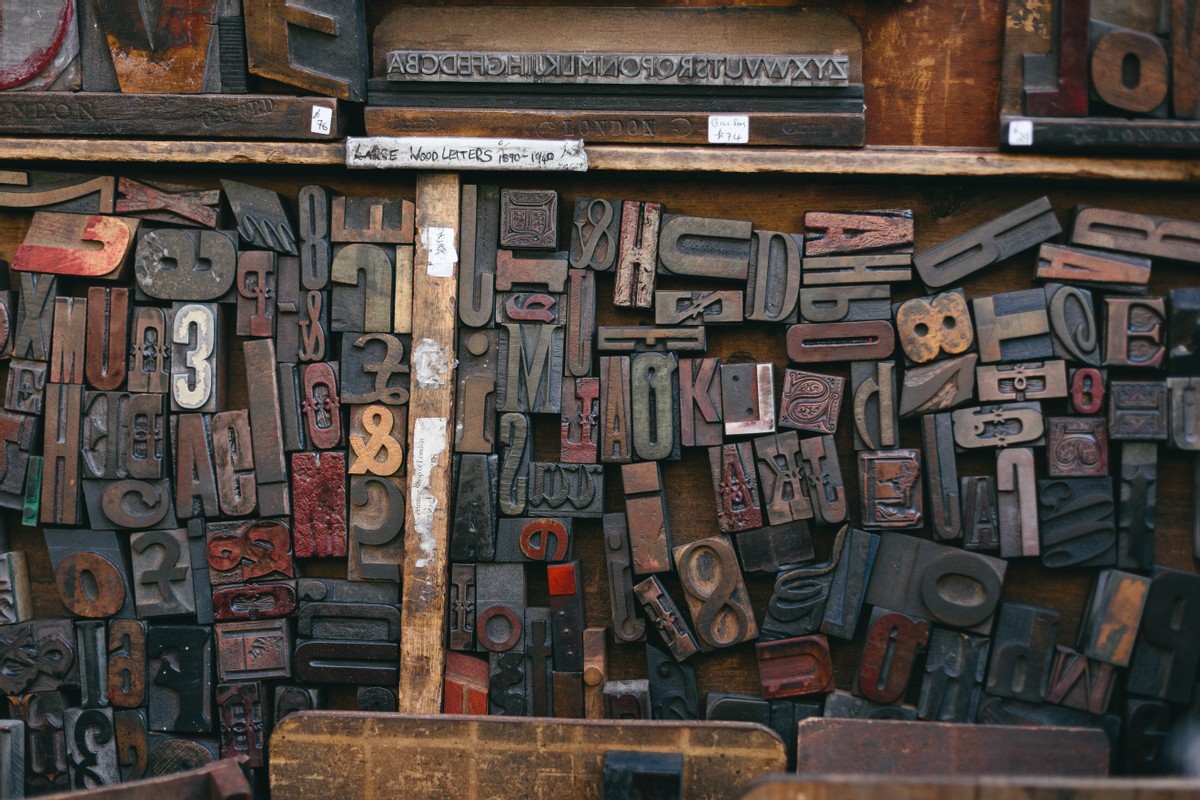
この本を読んでいます。「日本昔ばなし」と言う言いました。いろいろな単語をわかりません。ちょっと手伝いしませんか?
「日もくれたころ」、お祖父さんは薪を背負って家に戻ってきました。英語でなんと言いますか?「日」は英語で "sun, day" です。そして「くれた」の意味は英語で"gave"ですか?「ころ」は"around, about"ですか?
ありがとうございます!
2
この本を読んでいます。「日本昔ばなし」と言う言いました。いろいろな単語をわかりません。ちょっと手伝いしませんか?
「日もくれたころ」、お祖父さんは薪を背負って家に戻ってきました。英語でなんと言いますか?「日」は英語で "sun, day" です。そして「くれた」の意味は英語で"gave"ですか?「ころ」は"around, about"ですか?
ありがとうございます!
日もくれたころ means "After sunset." くれた is a homophone of another word (くれた) that means "gave." Written in kanji, it becomes 日も暮れたころ.
I recommend memorizing the whole phrase 日が暮れる, since this 暮れる is almost always paired with 日が. You might wonder why the particle も is used here instead of が. In Japanese, も is often used even when the "other things" it implies aren't explicitly stated. Here, it carries the meaning: "As other things, too, were drawing closer to night, the sun also (も) set."
Akiko, what an excellent explanation!
@Akiko Wow, what an incredible explaination -- and in impeccable English, too! The function of "も" in this sentence, as you've explained it, makes perfect sense. Who knew just a single particle could add so much implied semantic depth?
@CocoPop Thanks, Uly!
@xxmastervxx I actually had some AI help polishing this after I wrote it. Being able to produce this level of explanation this quickly without AI assistance is my next goal. Anyway, thank you for the kind words!