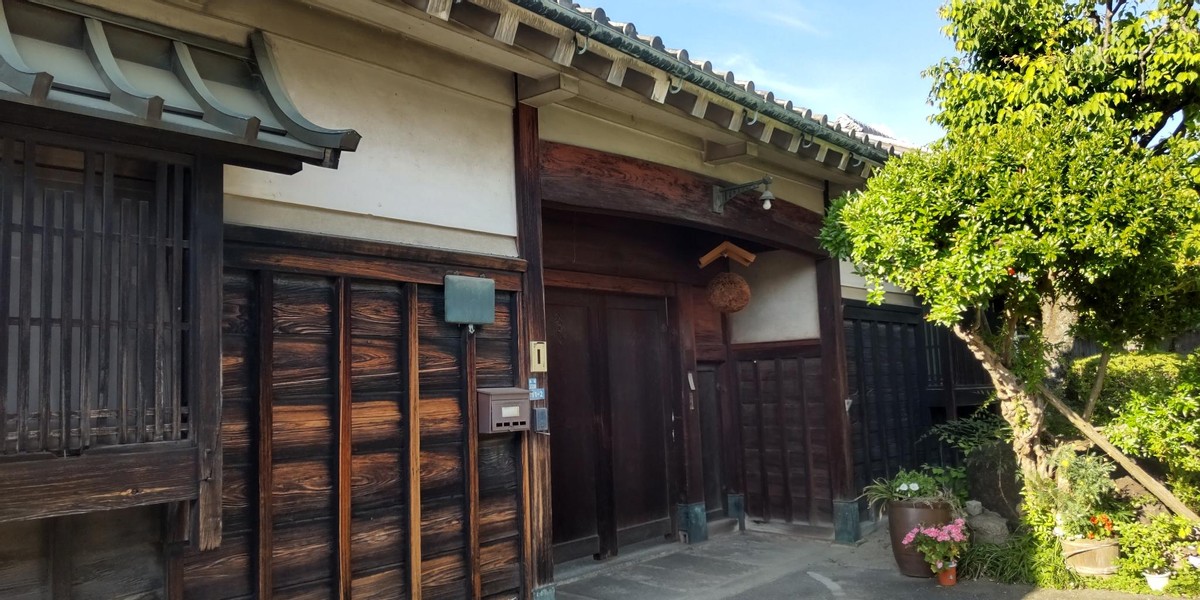
One day, my British friend Martyn, his daughter Anna, my husband, and I visited a sake brewery where our son-in-law has been working. He'll become the head sake brewer after the current brewer retires in three years. When Martyn visited us last time, I took him to a whiskey distillery. It was fascinating, but he's from the UK, so he already knew a lot about whisky production. Nothing was new to him then.
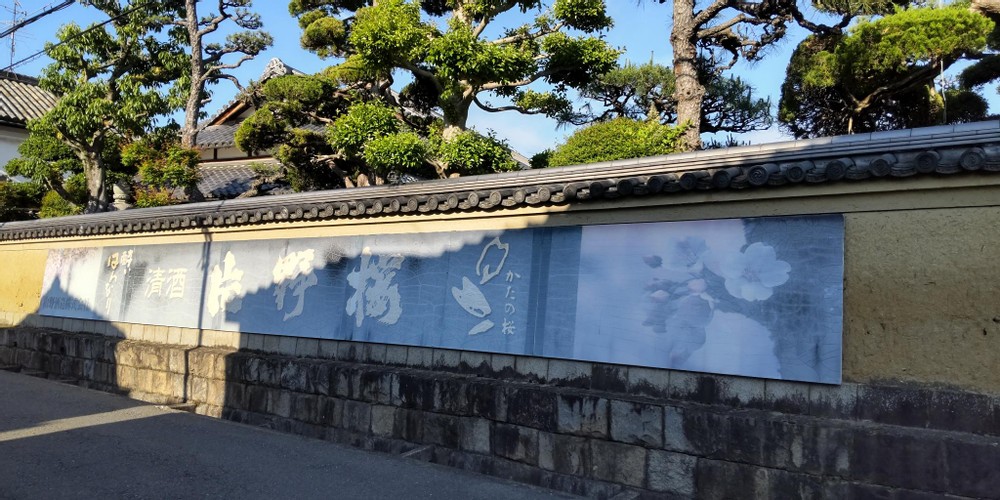
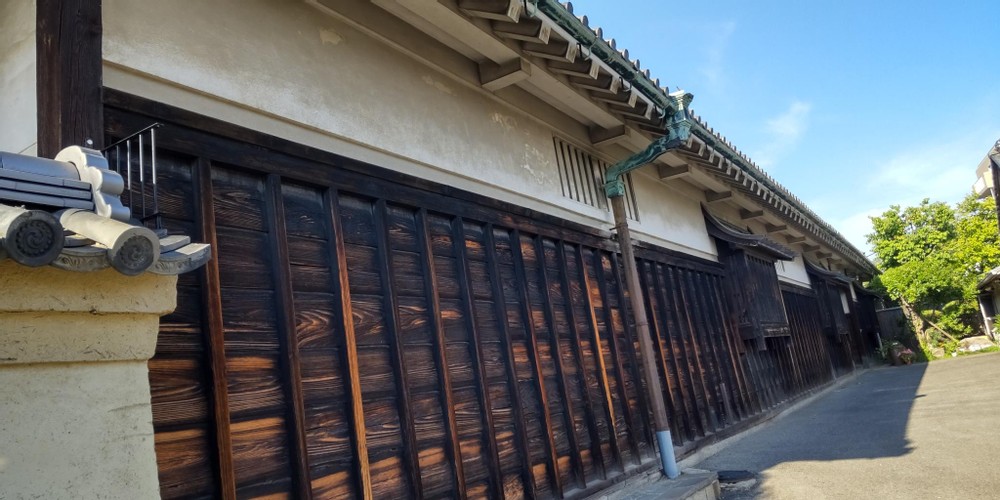
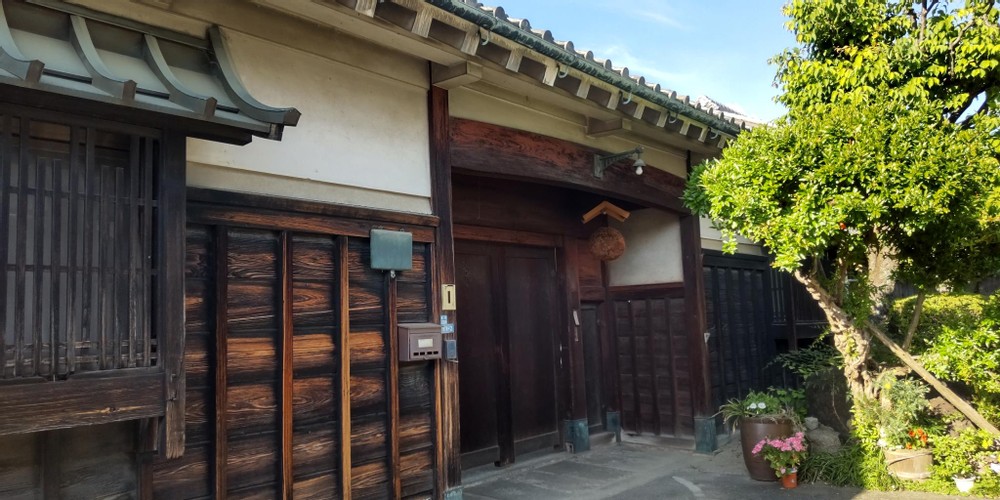
The brewery has run its business since the Edo period (1600 to 1868), so the building is very old. According to my son-in-law, even if the building gets damages, they can't repair it on their own without government permission because it's a Registered Tangible Cultural Property. I thought it must be very cool to work in such a historically important place.
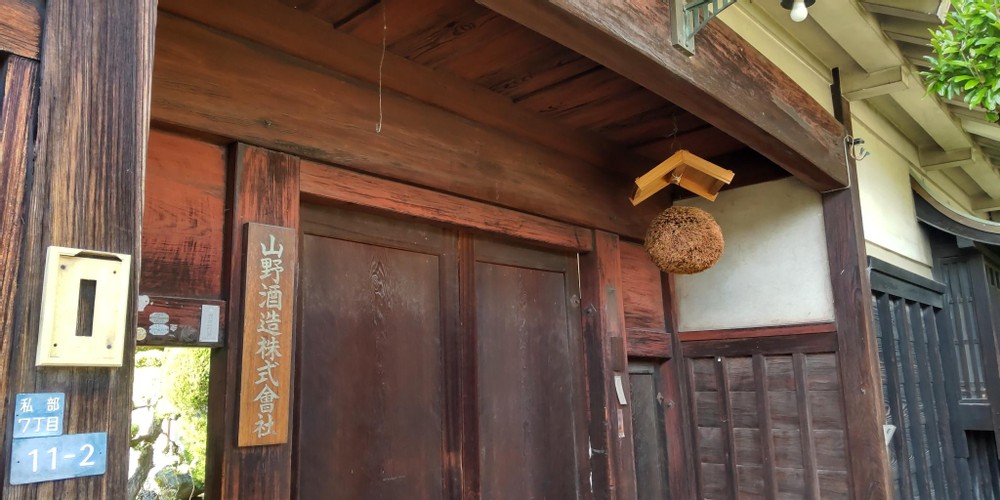
When we arrived, my son-in-law Hikaru was waiting for us. He gave us a brochure and started explaining how to make sake. my husband and I have taken his tour once with both my parents, so this was our second time. Last time, we didn't receive such a brochure. Hikaru told us that foreign tourists sometimes visit the brewery, so he made it both in Japanese and English.
When Martyn checked the English part, he suggested him some more natural words. Hikaru explained the process in Japanese, so I translated what he said into English, although I didn't know terminology well. Martyn and I sometimes spoke in a mix of Japanese and English to understand more. His knowledge of distillation helped me a lot.
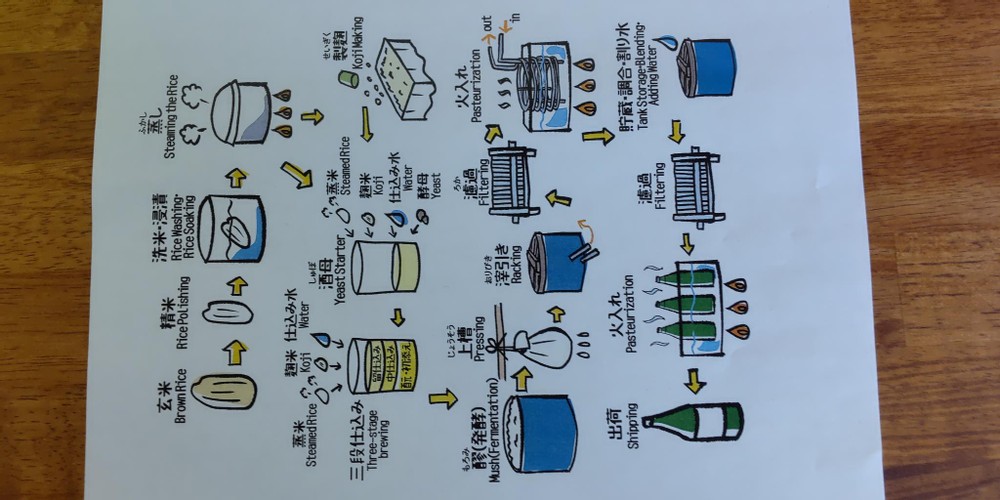
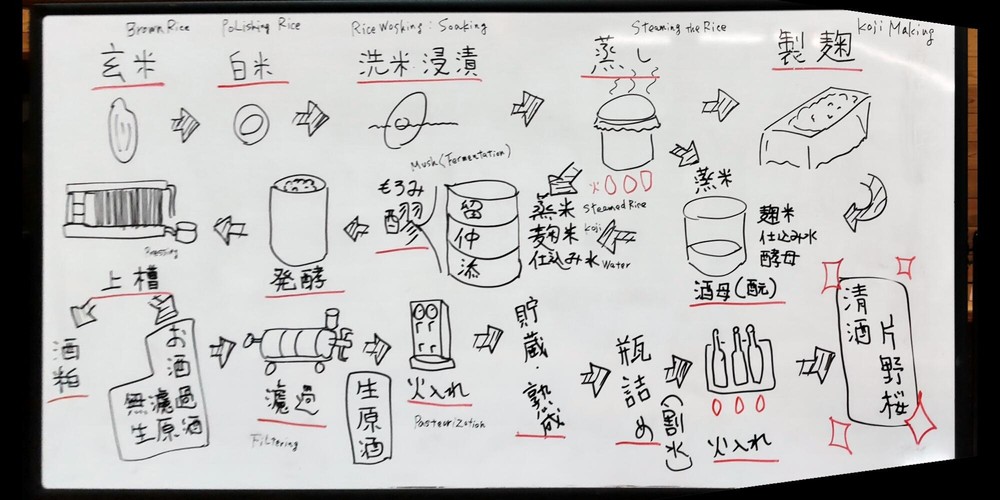
This brewery has been making sake in exactly the same way since the Edo period. Many sake breweries have started using computers and machines, but this one is still committed to traditional hand-crafted methods. It was interesting that in some processes, brewers make different flavors. I think this is awesome because I believe that computer-made sake always tastes the same, while human-crafted sake slightly tastes different each time. The difference adds more uniqueness, and it has become the only one.
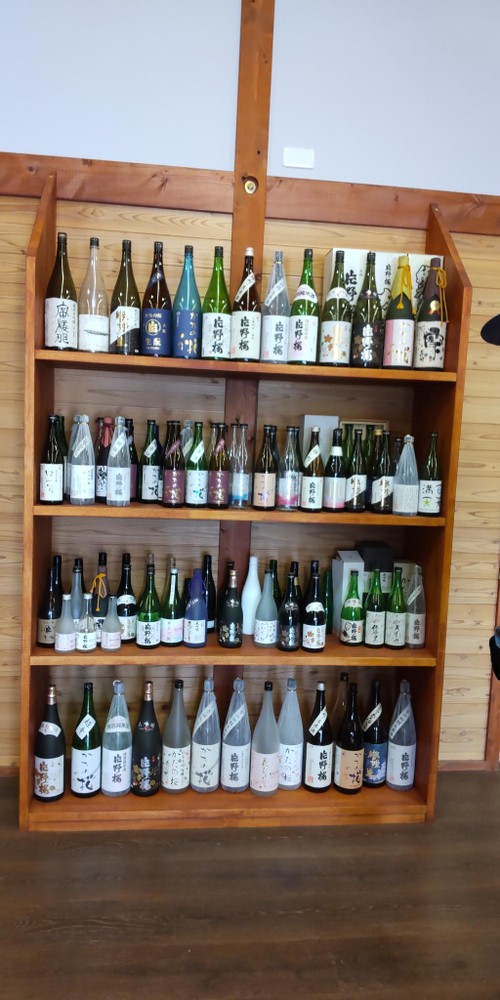
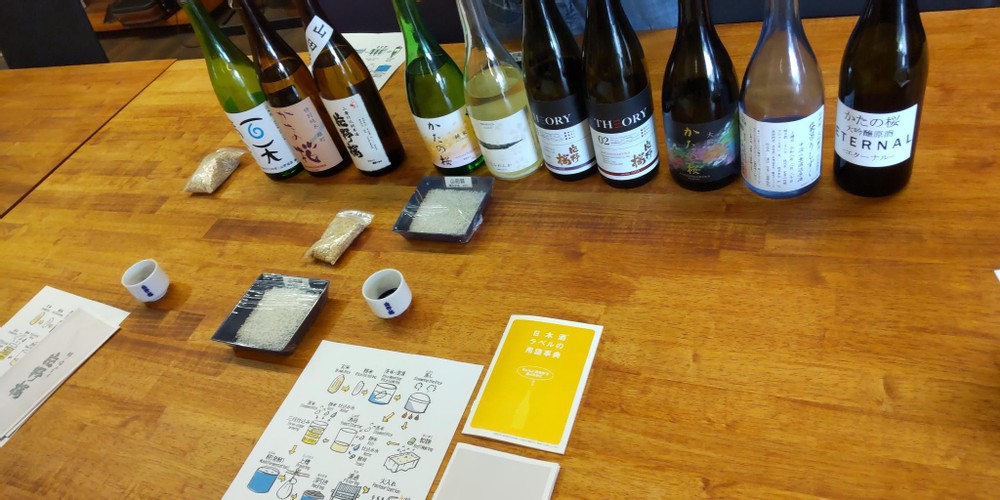
We saw sake bottles the brewery has produced displaying on a shelf.
After we learned about the process, Hikaru gave us a tour. As soon as we stepped in, we noticed the sweet aroma of sake. The brewing season had already ended, so most of the tanks were empty, although a few sealed tanks still contained sake.
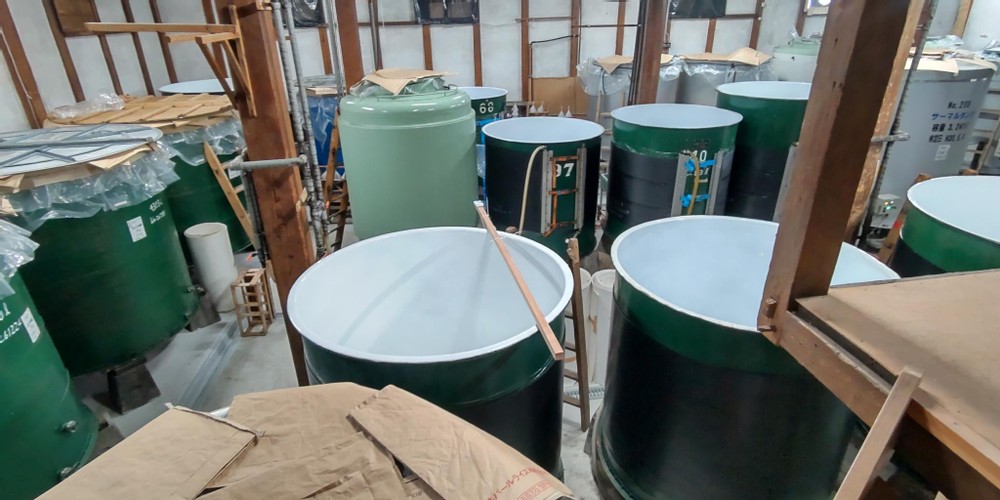
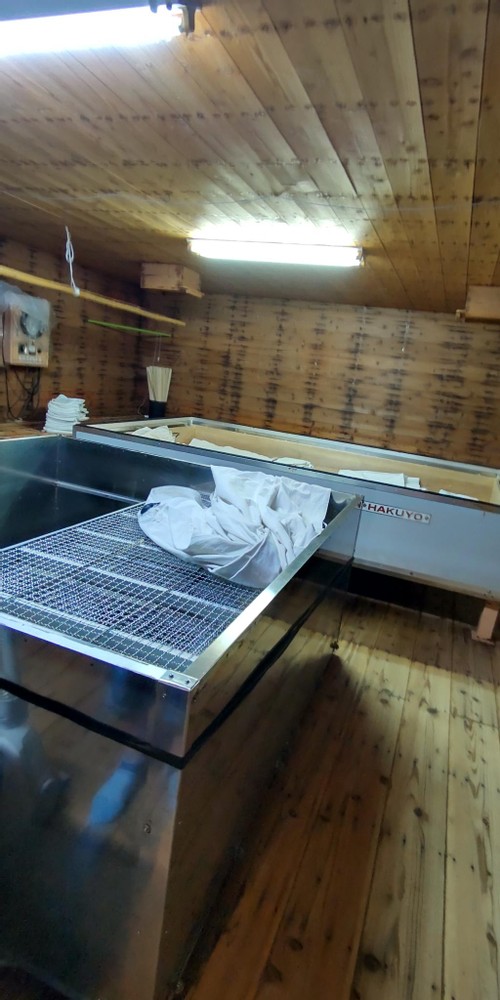
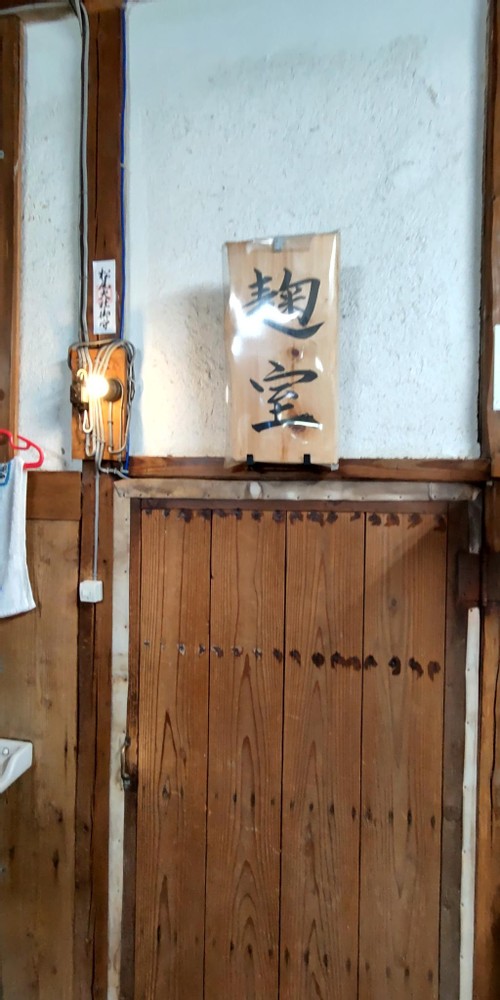
If they were still brewing sake, Hikaru said we wouldn't allow to get in the fermentation room. The room was warm and filled with a sweet smell. He also said people who eat nattō (fermented soybeans) can't get in because natto bacteria are much stronger than sake yeast.
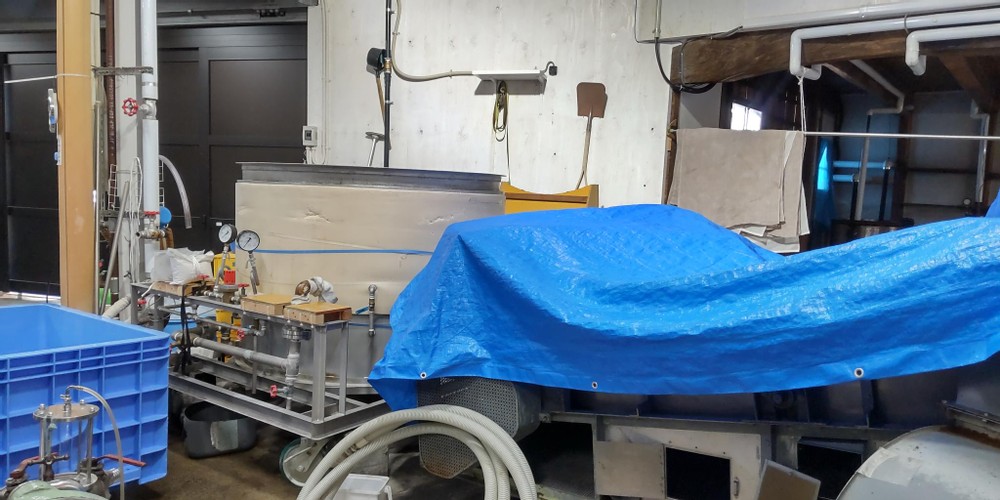
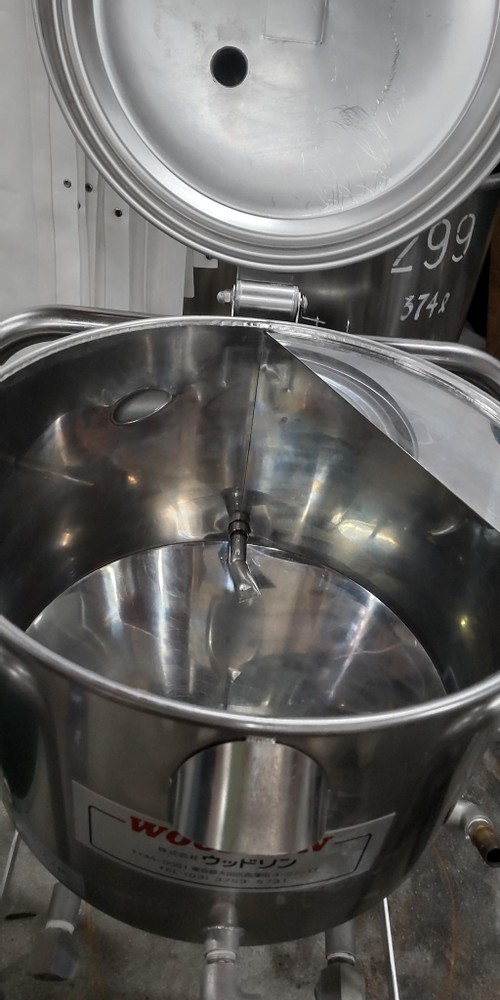
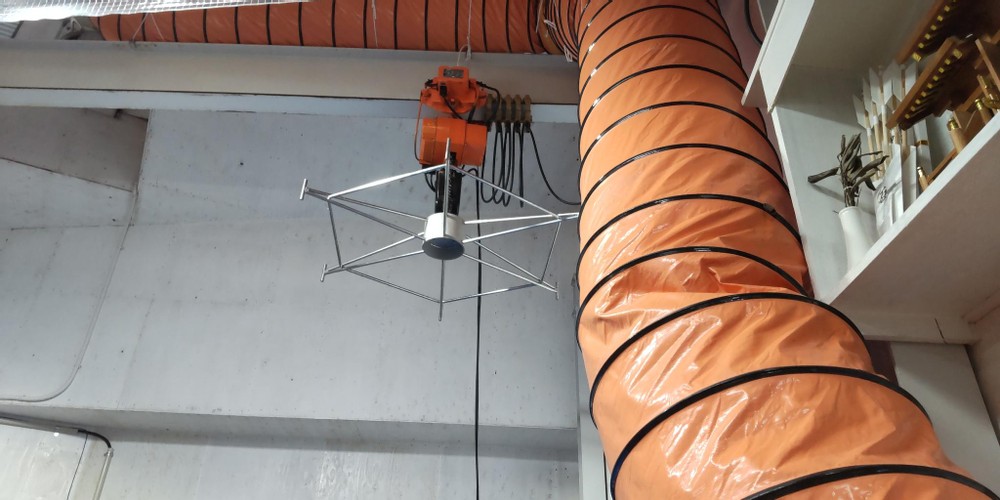
Martyn and Anna seemed very interested in sake culture.
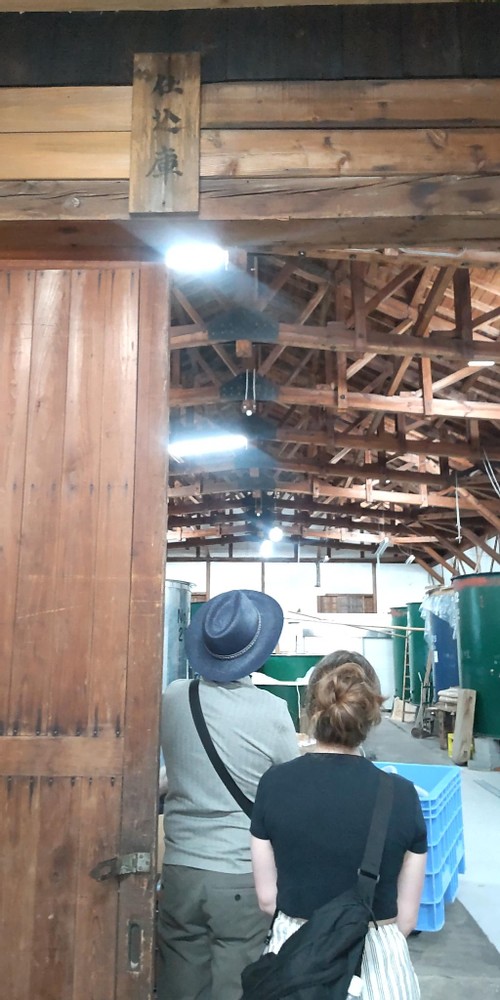
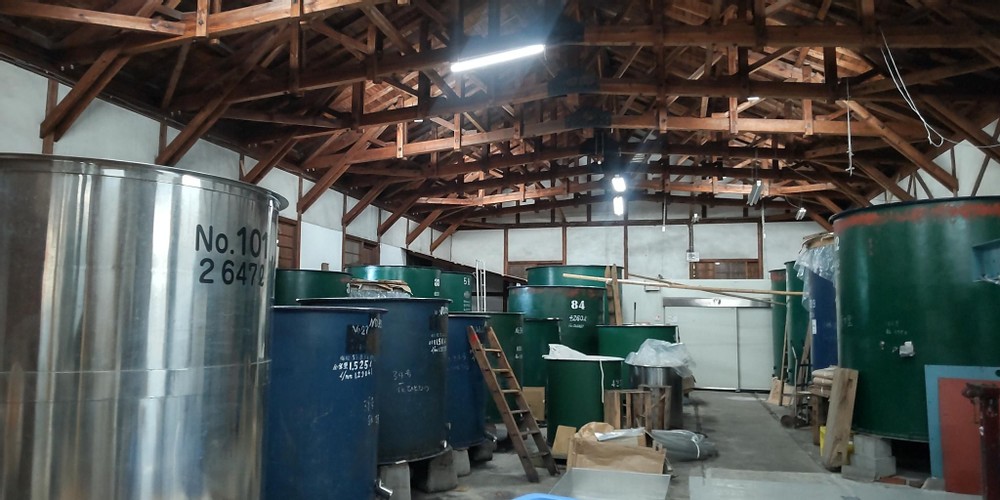
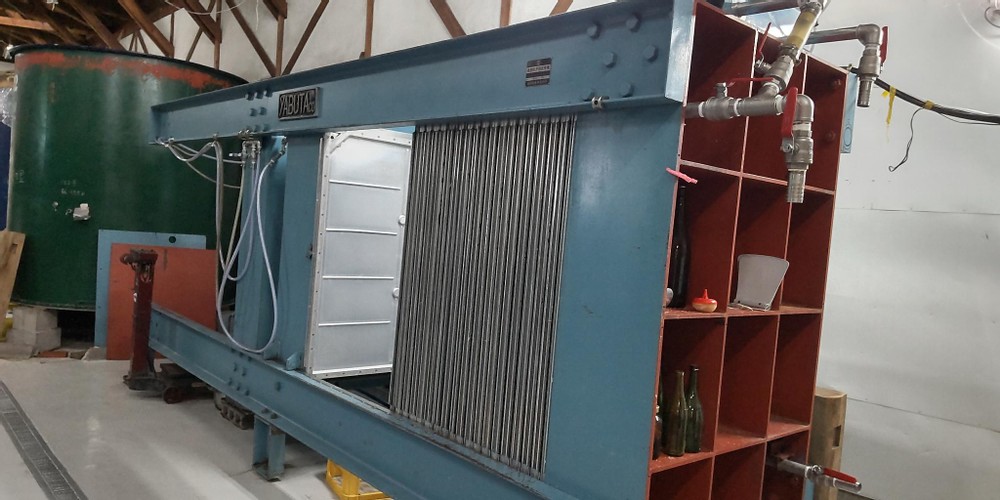
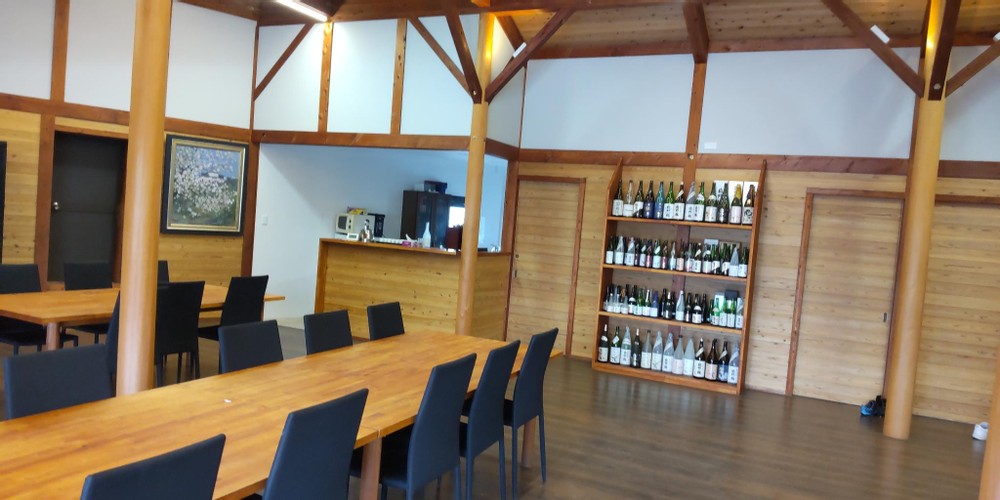
After the tour, we returned the room where we were first sitting. Hikaru brought several different bottles, and Anna and Martyn enjoyed tasting a variety of sake. They told us that they definitely prefer human-crafted sake, and it was fascinating that each sake has a different flavor even though they were made from the same ingredients. That made Hikaru's day! The brewery where he works is small, but it has a long history. I know it has keep creating unique sake that others can't copy.
At the end of the visit, Martyn and Anna bought several bottles to take back to the UK.
(5130)
Thanks for the tour!
better title: Touring a Sake Brewery (with Friends)
This was such a fun and interesting entry!
@CocoPop Thank you so much for correcting such a long entry. I do appreciate a lot.
@unrelatedwaffle NIce to meet you! Thank you for correcting and commenting!
My Pleasure !