Last year, I wrote about a fu (wheat gluten) cafe where I visited two of my friends. In the post, I also wrote the restaurant. If you're curious about the post, please click here.
Last week, I finally visited the restaurant with a friend. It's located in Kiyomizu-Gojo where is one of the most popular spots for foreign tourists. There are several famous temples nearby, including Kiyomizu-dera and Koudai-ji. If you're in the area and look for a nice restaurant, I highly recommend this restaurant. You need to make a reservation before going.
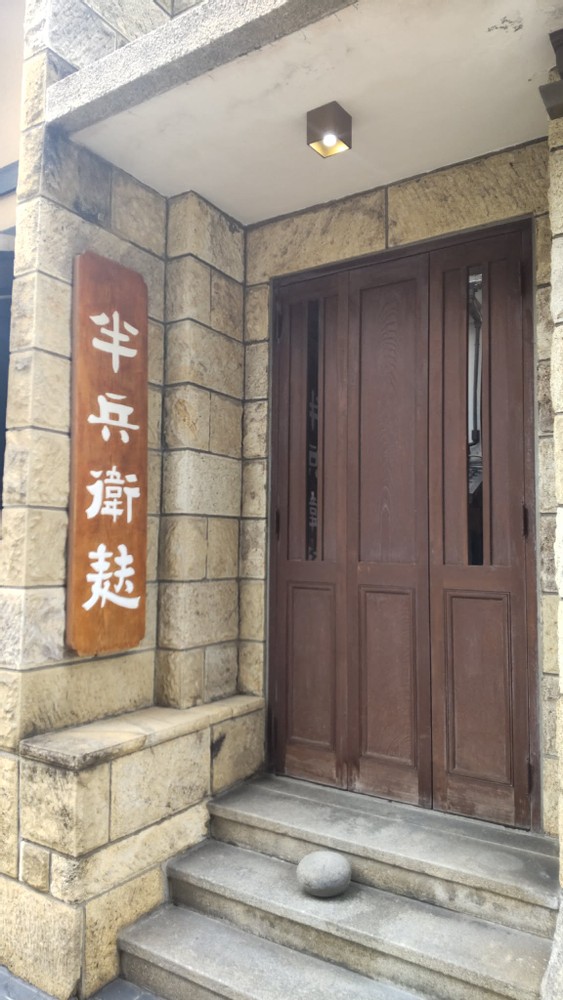
The shop has produced fu over for 330 years and run this restaurant as well.
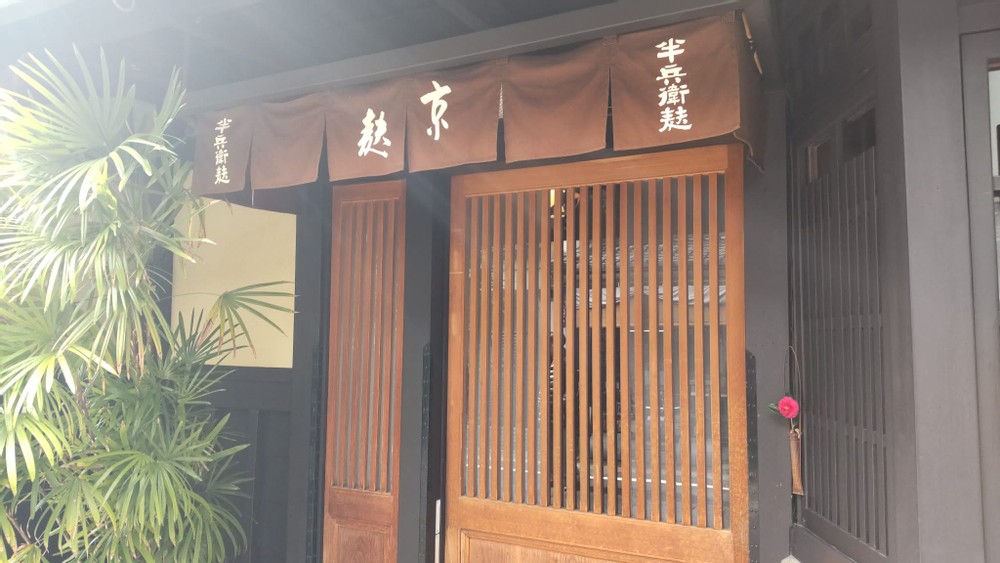
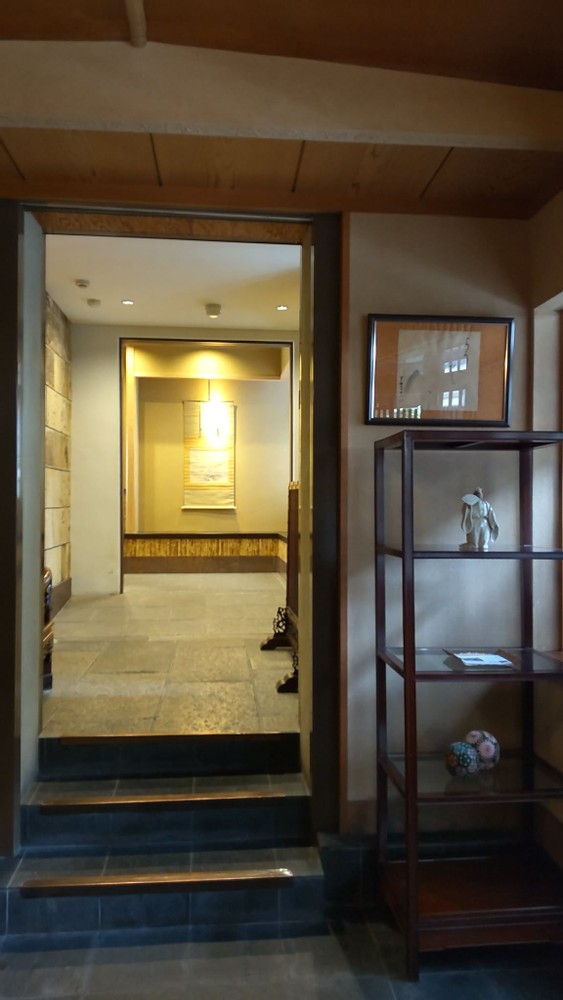
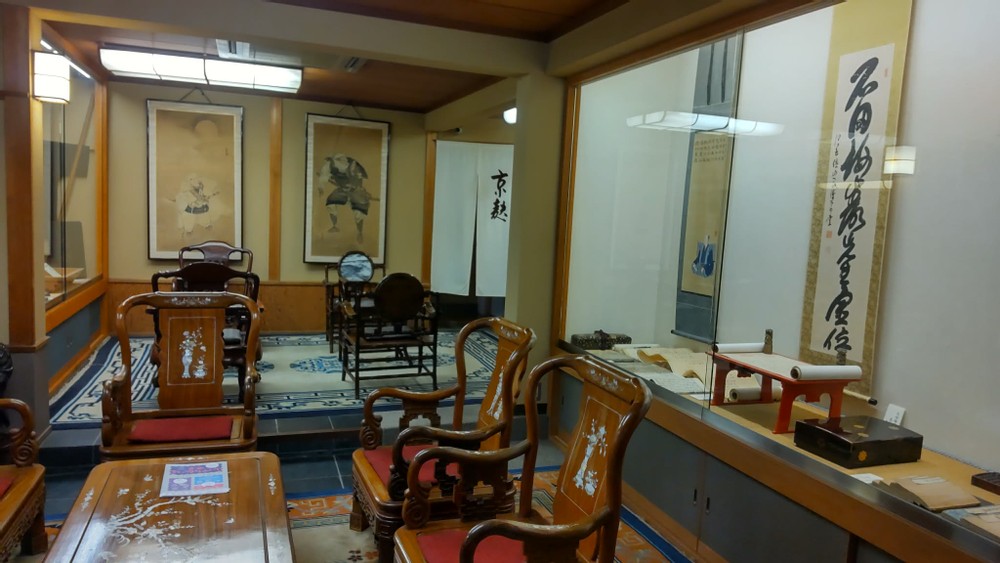
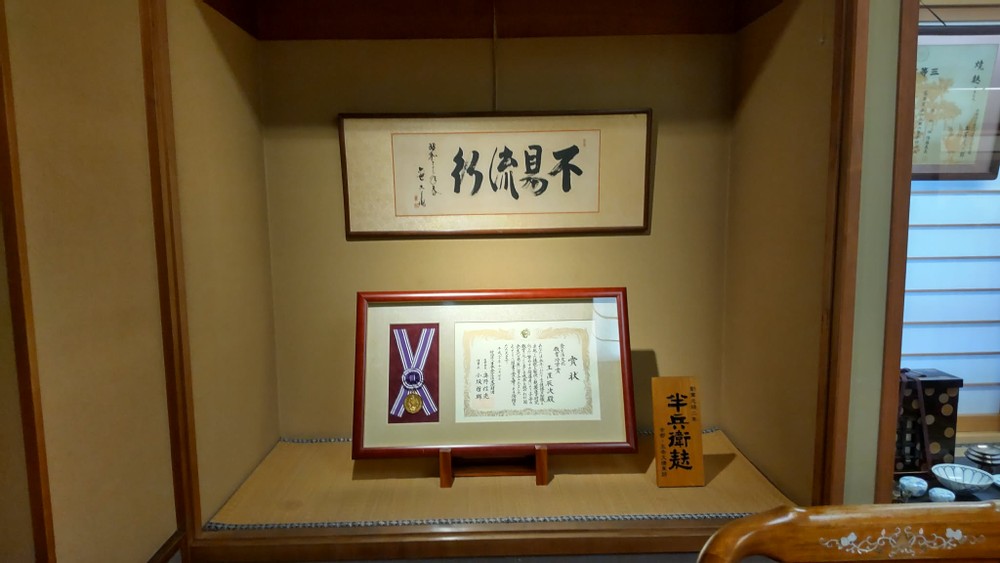
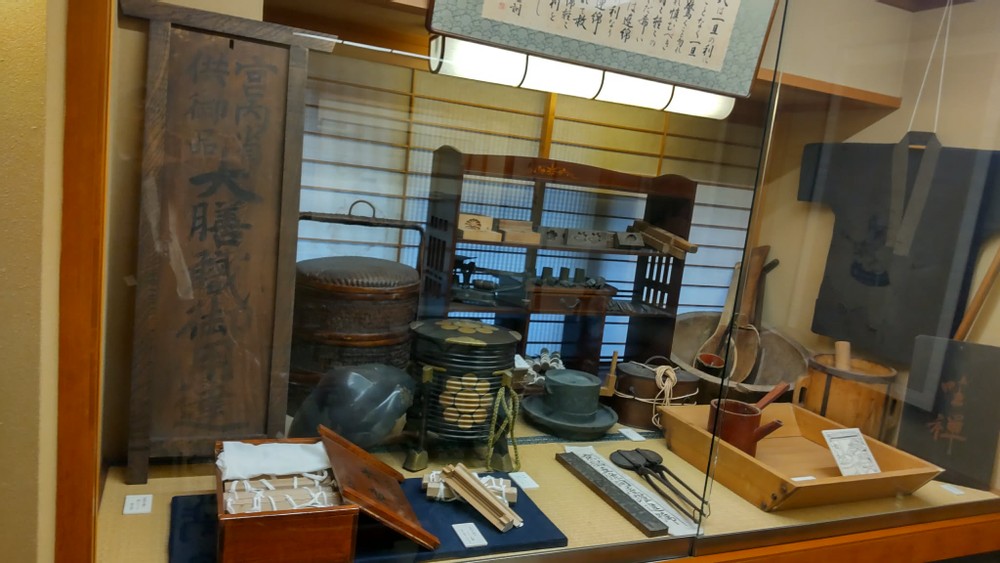
When we entered, we saw old tools for making fu, which were displayed in the show-windows. All of them look antiques, and looking around them were fascinating.
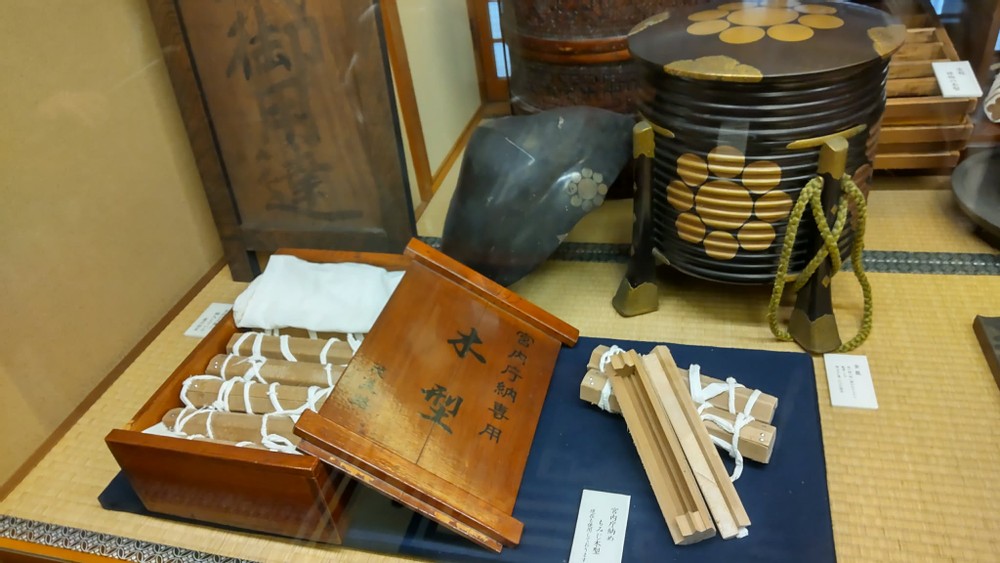
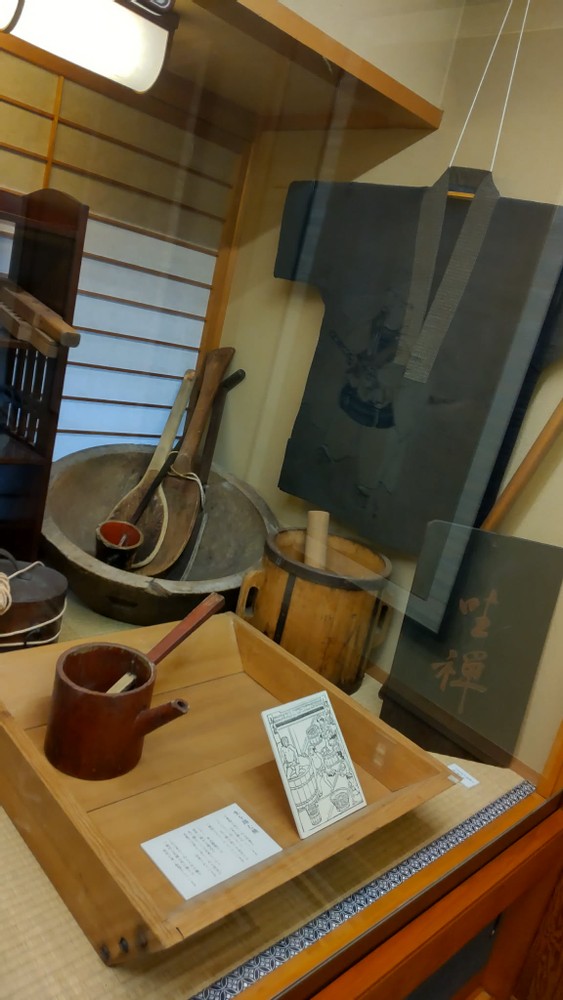
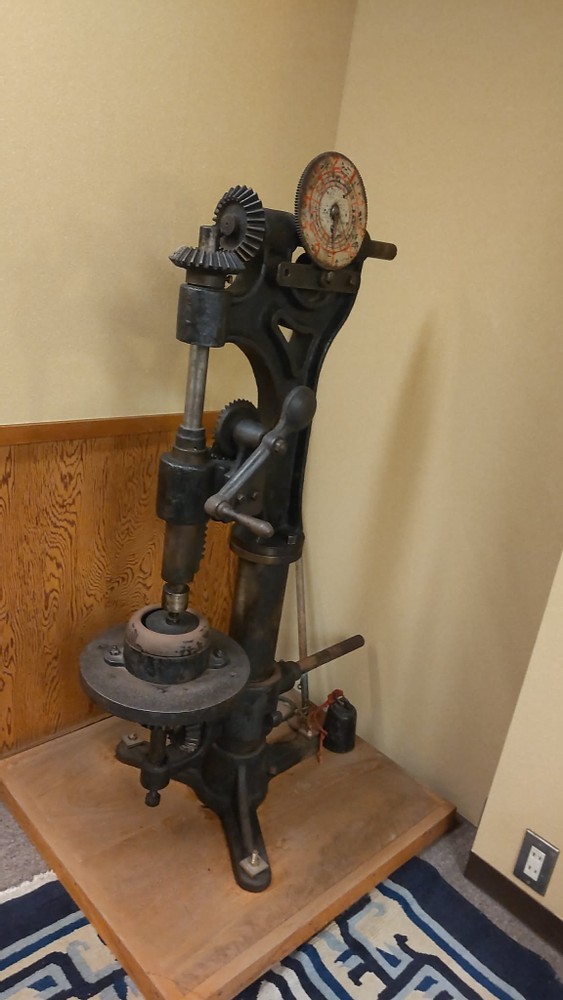
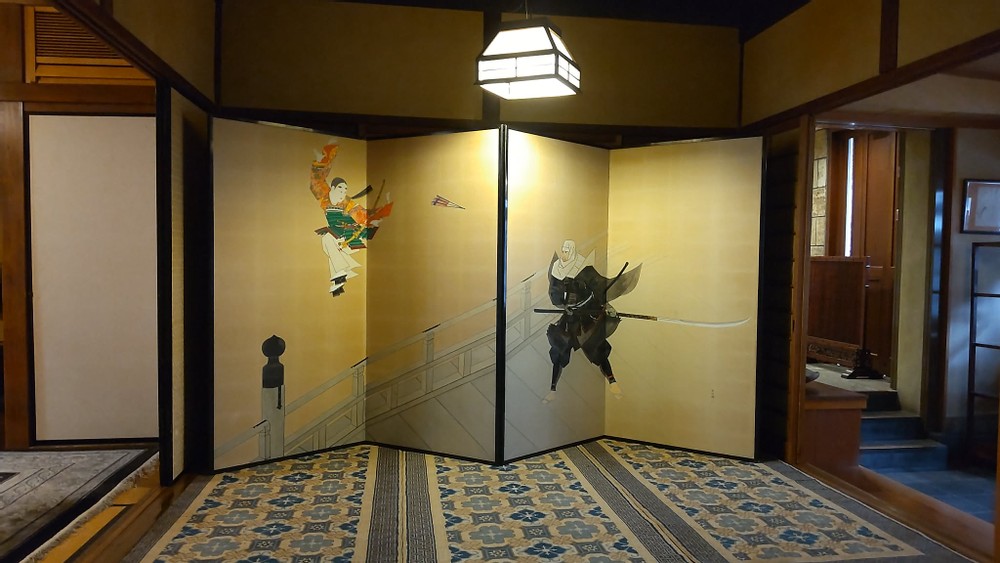
Kyoto Gojo is also famous for the story of Benkei and Ushiwakamaru ( Minamoto no Yoshitsune). They met at Gojo-ohashi (Gojo bridge) for the first time, and Benkei tried to kill Ushiwaka. They fought against each other, and Benkei felt. Since then he had served Ushiwaka in his entire life. We saw their painting hanging on a wall. The right painting is Benkei, and the left one is Ushiwaka.
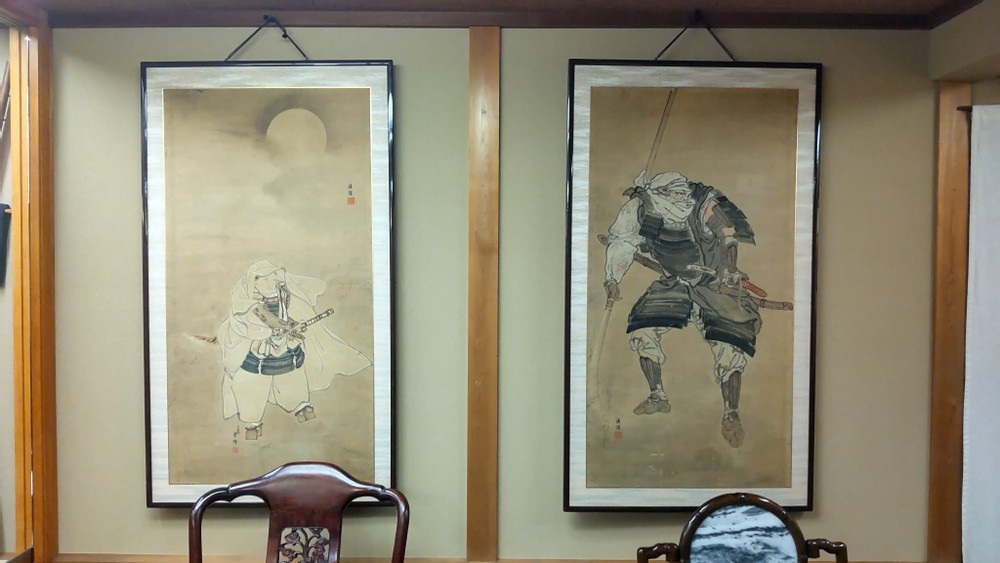
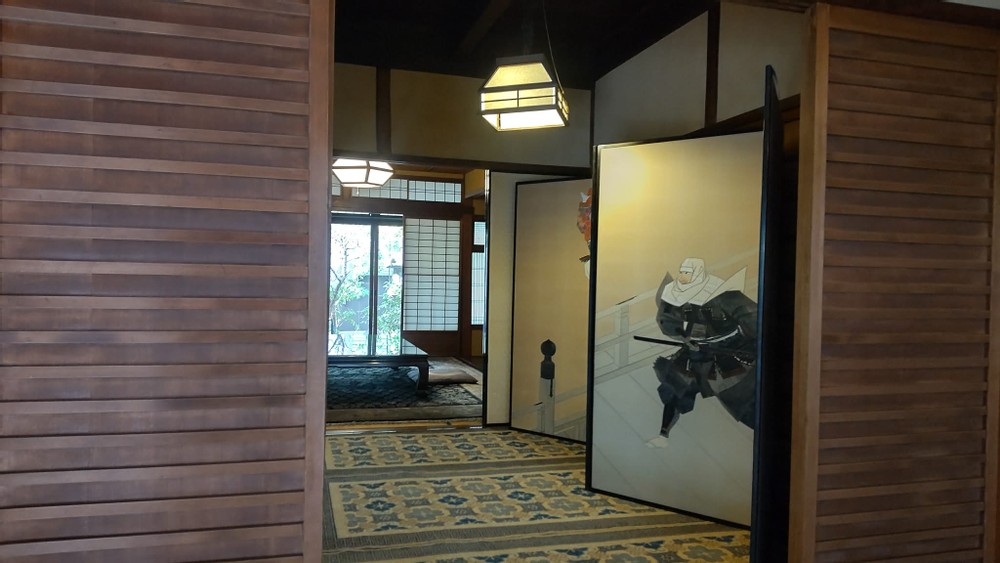
There was a beautiful screen painting (byoubu-ga) of Benkei and Ushiwaka at the entrance as well.
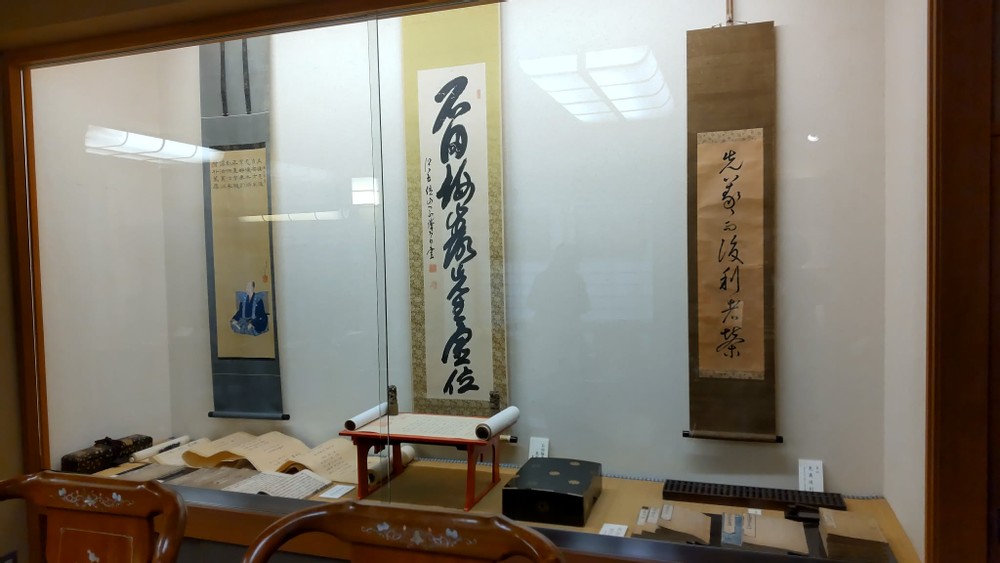
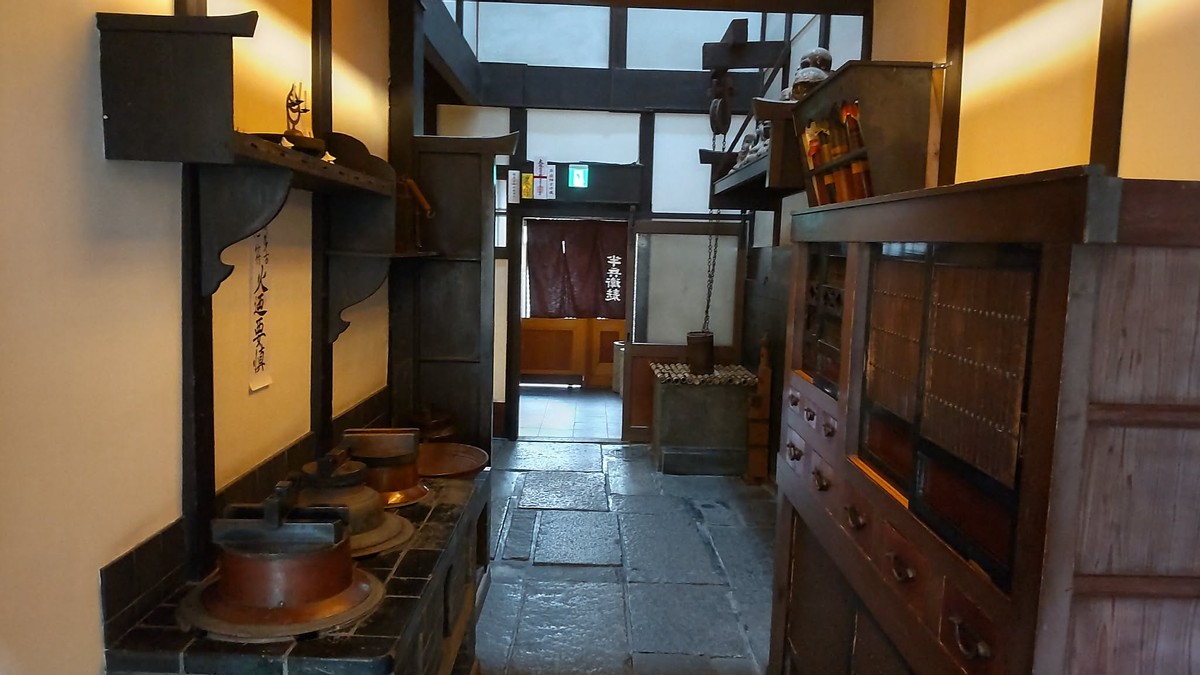
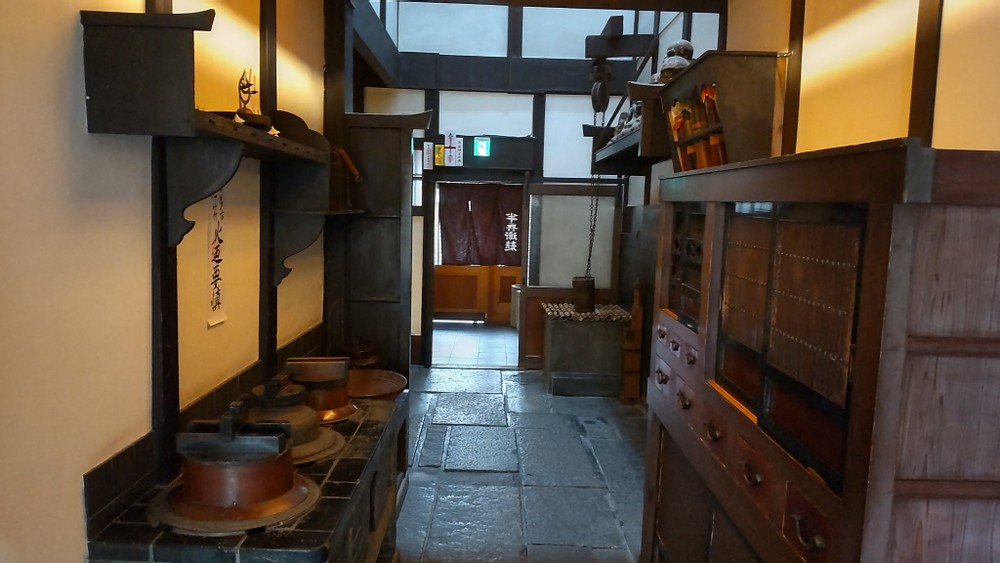
The shop also has opened its former kitchen as a part of small museum.
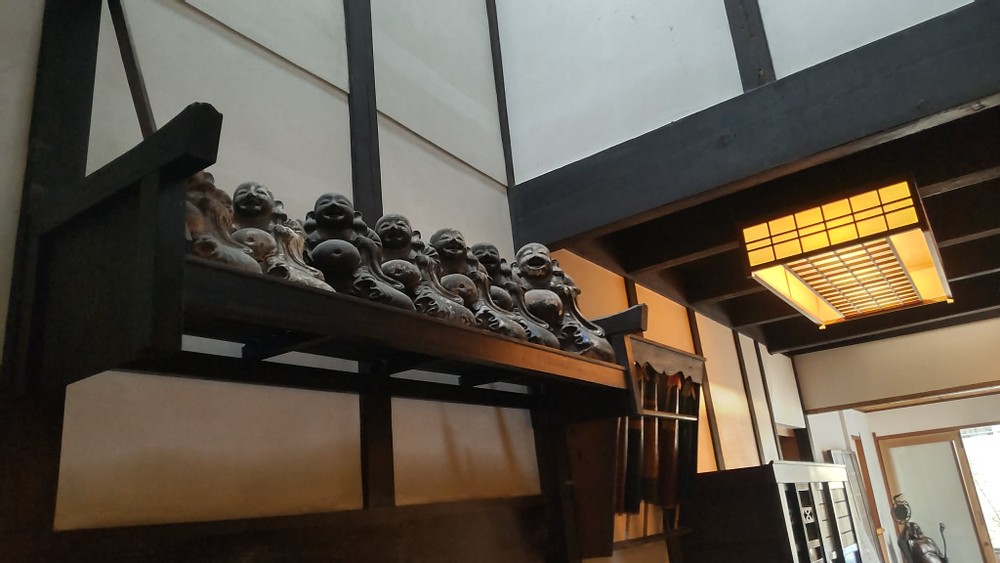
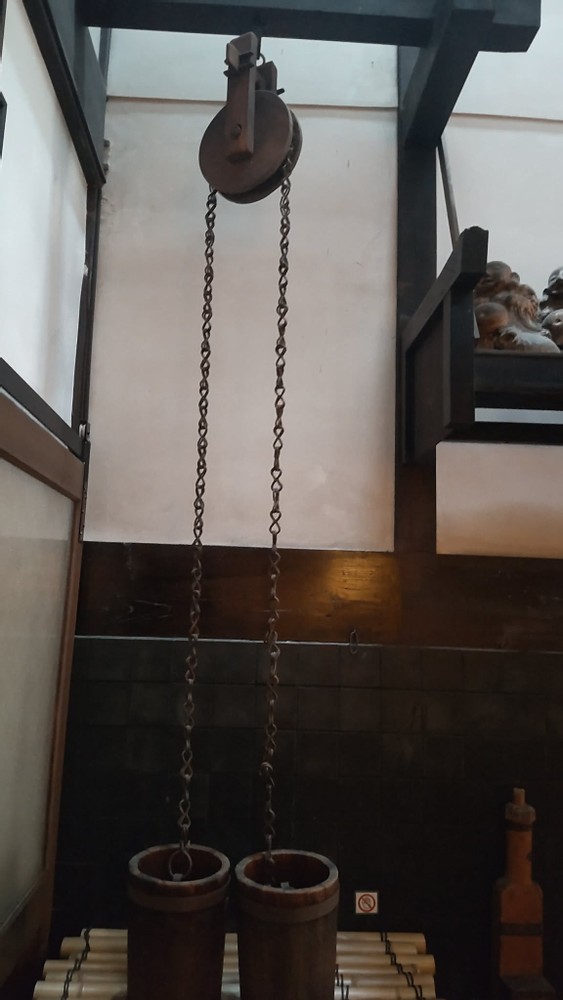
Before tap water was introduced in Japan, people used wells.
We saw a kamado ( a traditional cooking stove). People from the Kansai region call it "okudo-san". I felt a nostalgic sense when I saw it because it reminded me of my grandma on my dad's side. When I was a little kid, she had cooked with one.
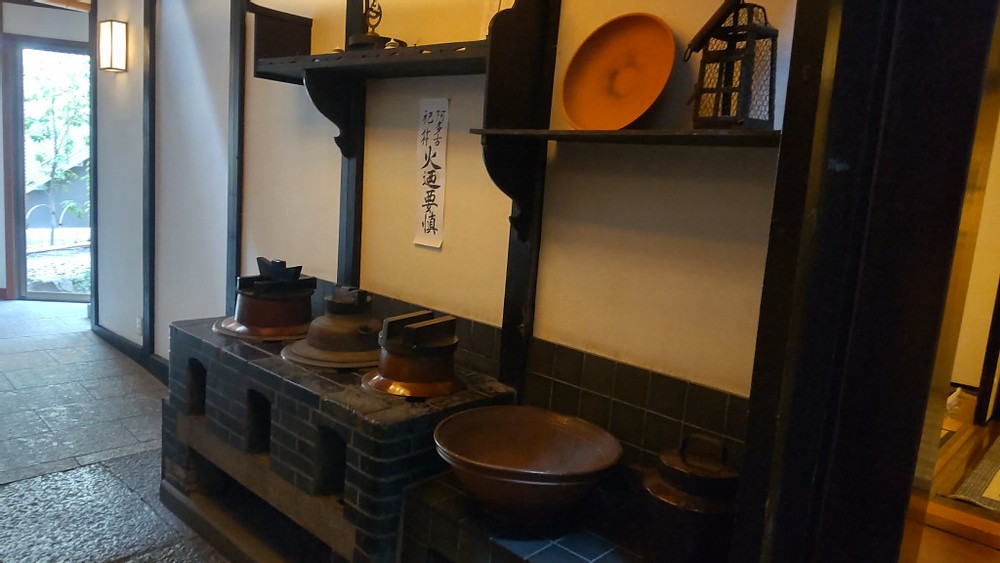
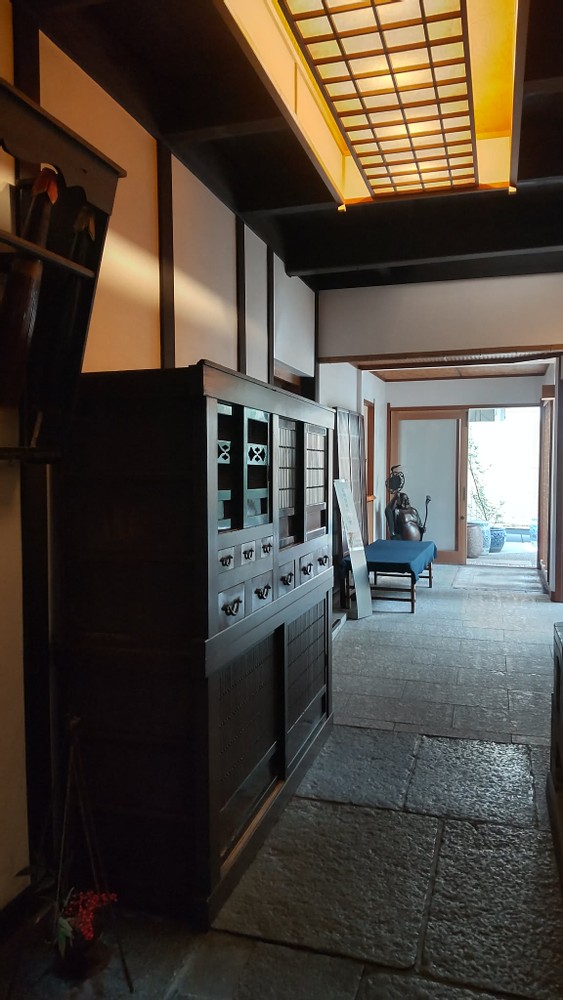
We don't see this traditional style of kitchen anymore, but I really love it.
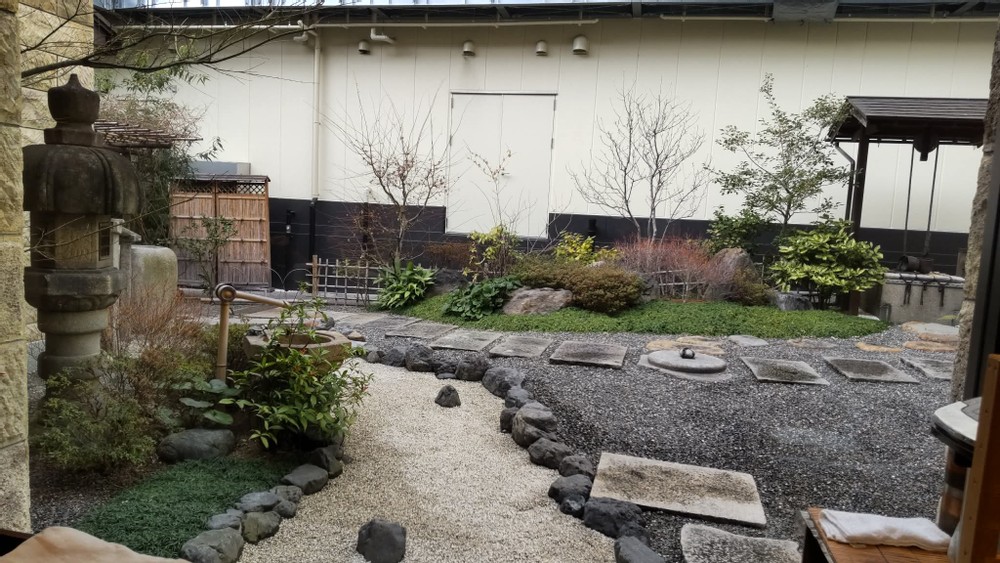
After enjoying the antique kitchen, some tools for making fu, and shop owner's antique collections, we enjoyed our lunch, which all were made with fu. While seeing a pretty Japanese garden, having lunch was great!
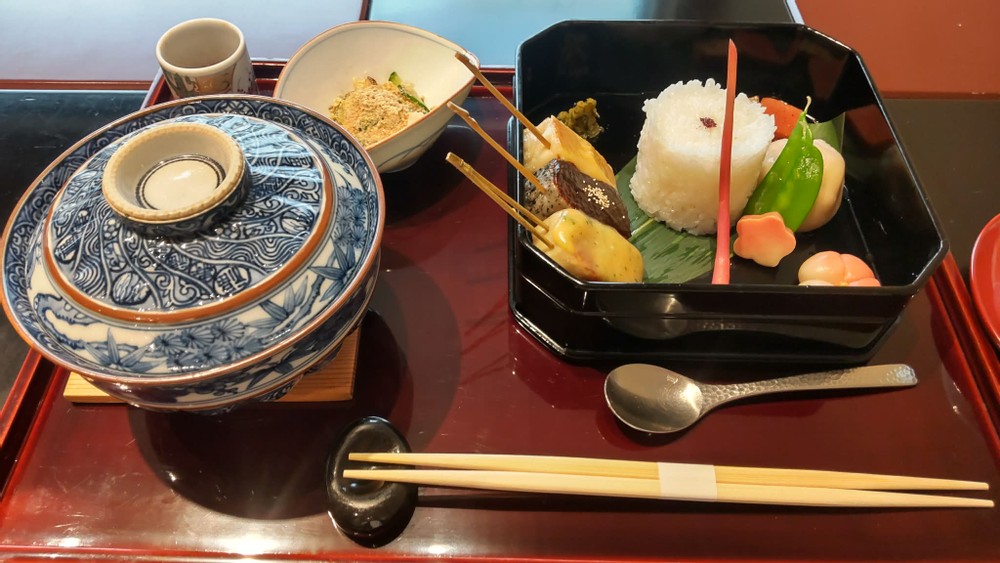
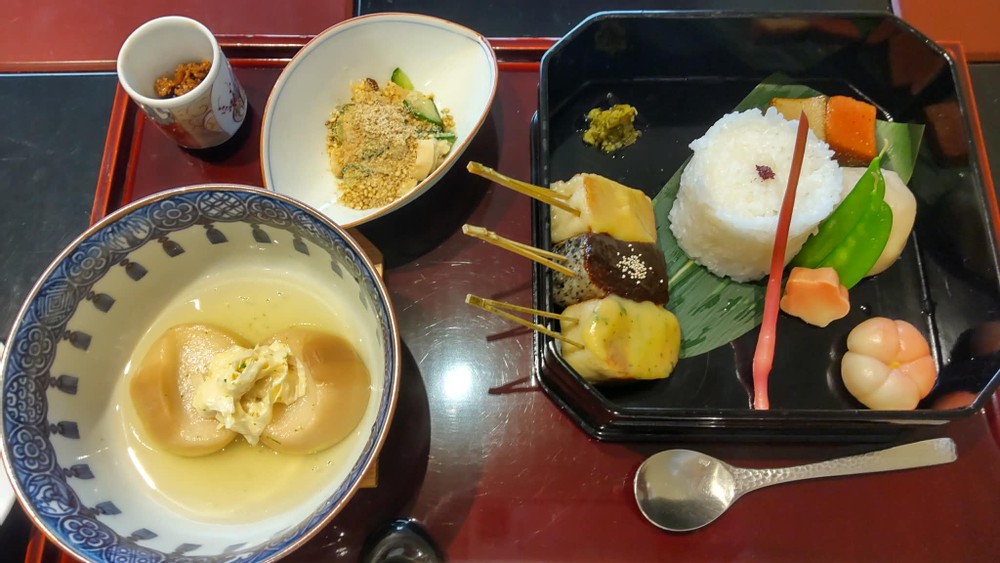
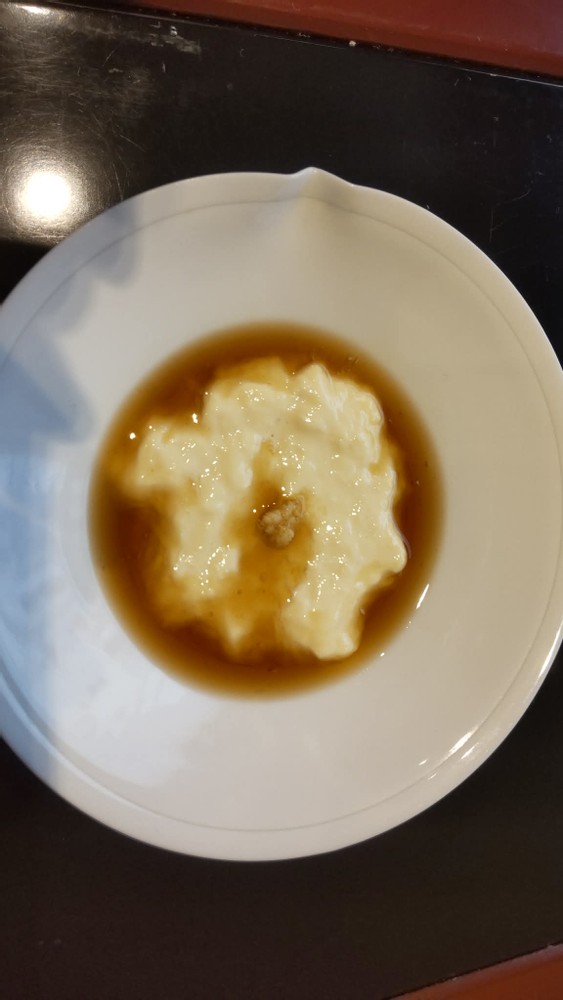
The third dish in the picture below shows tempura of fu. It was my first time trying it.
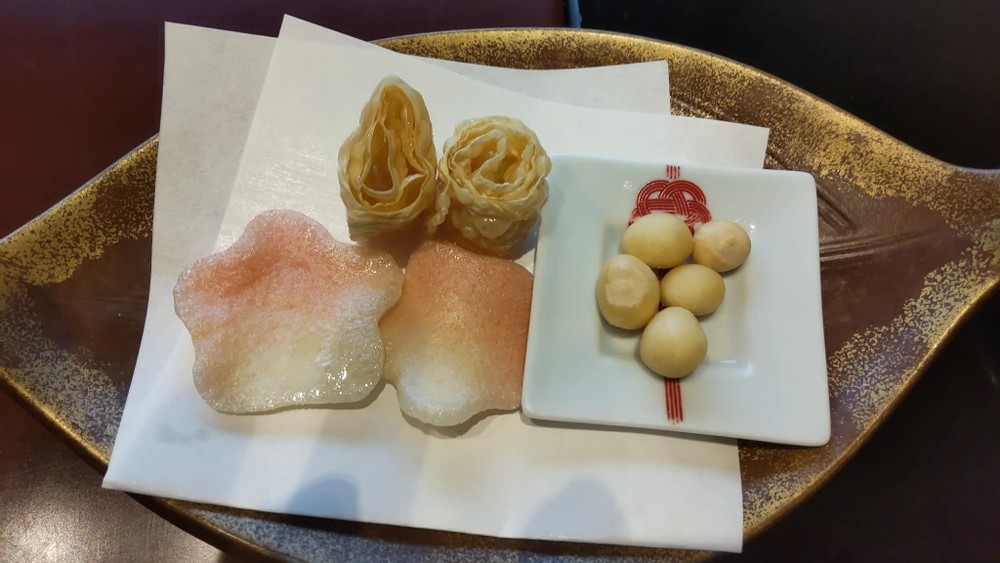
My friend and I especially enjoyed the tableware, which were served. All of them were hand-painted and antiques.
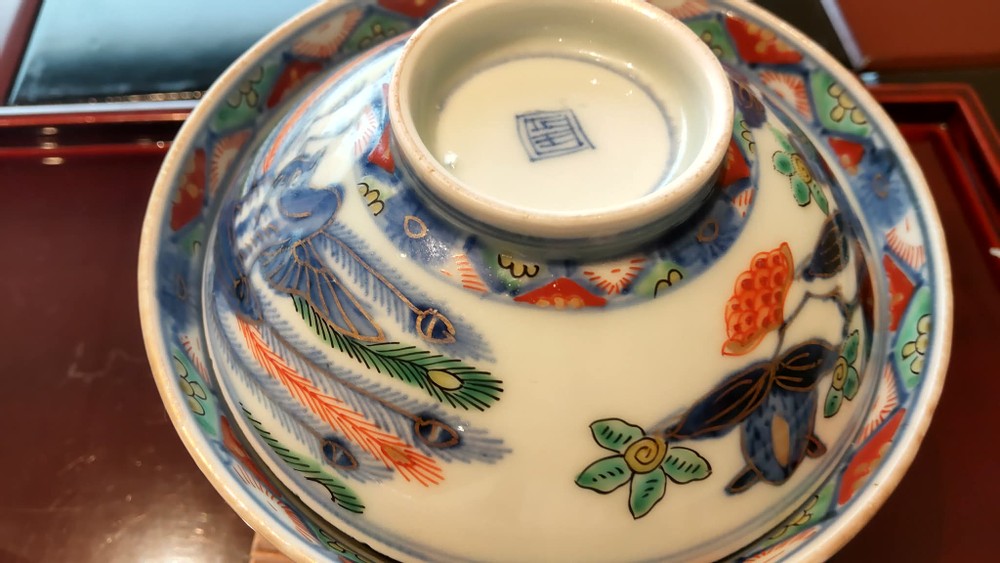
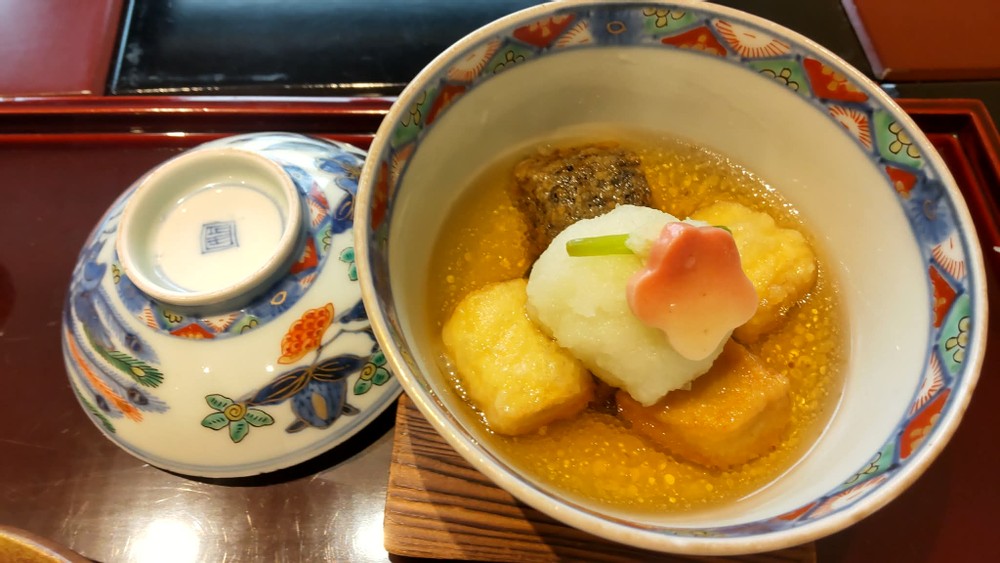
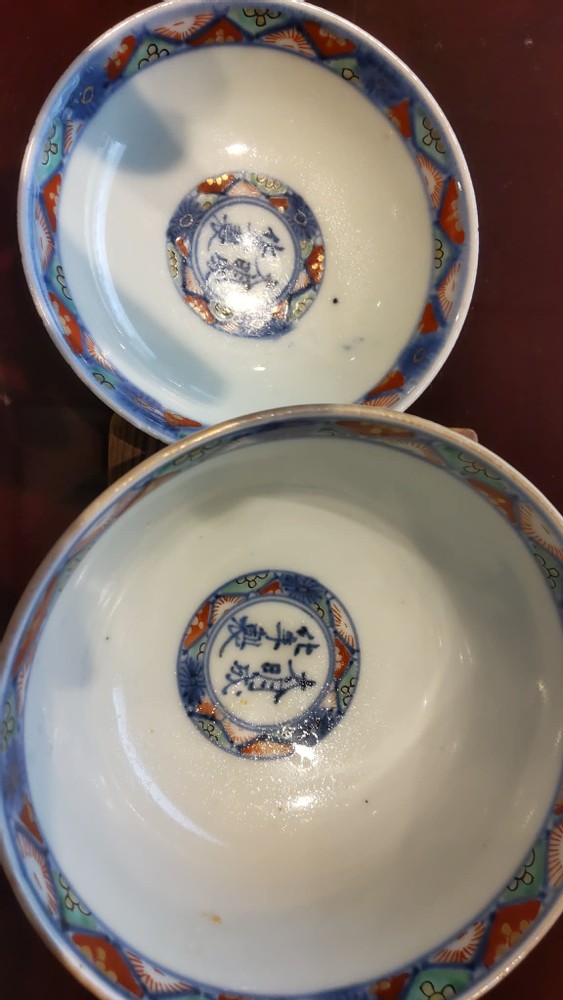
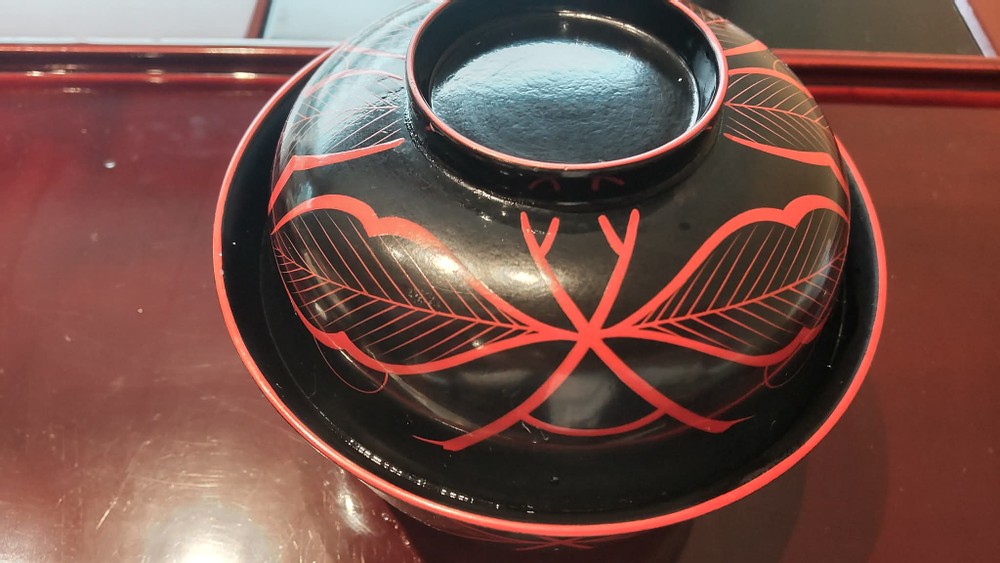
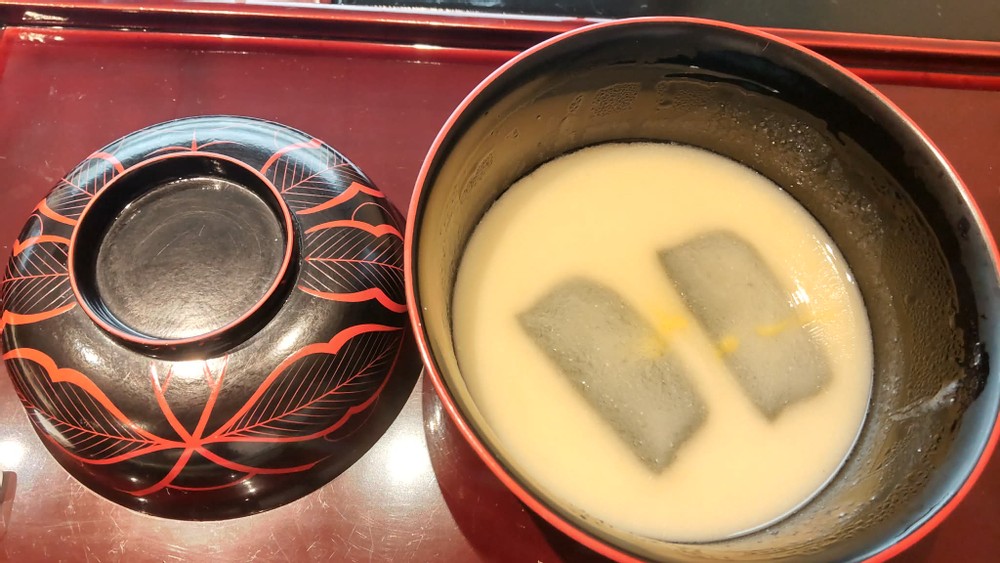
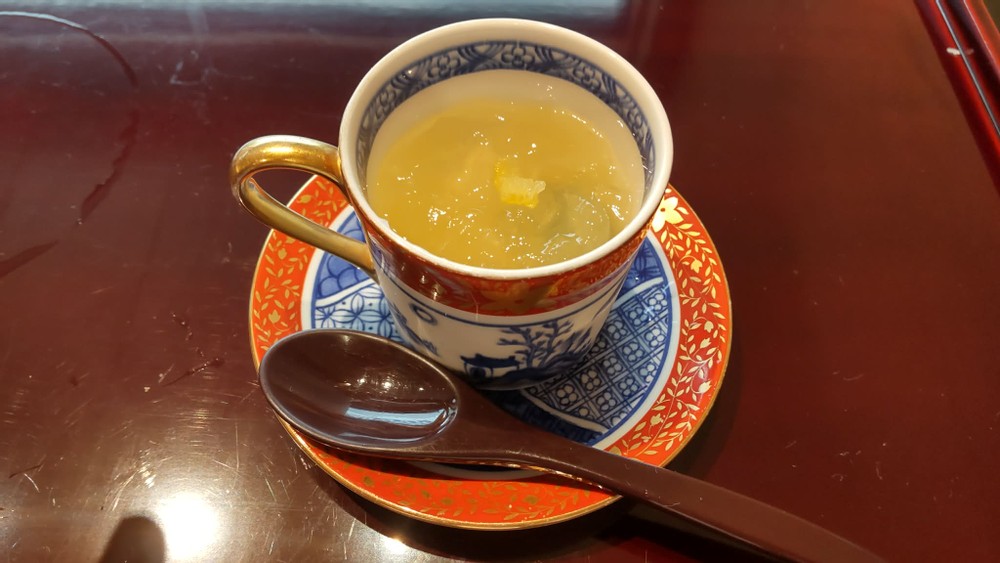
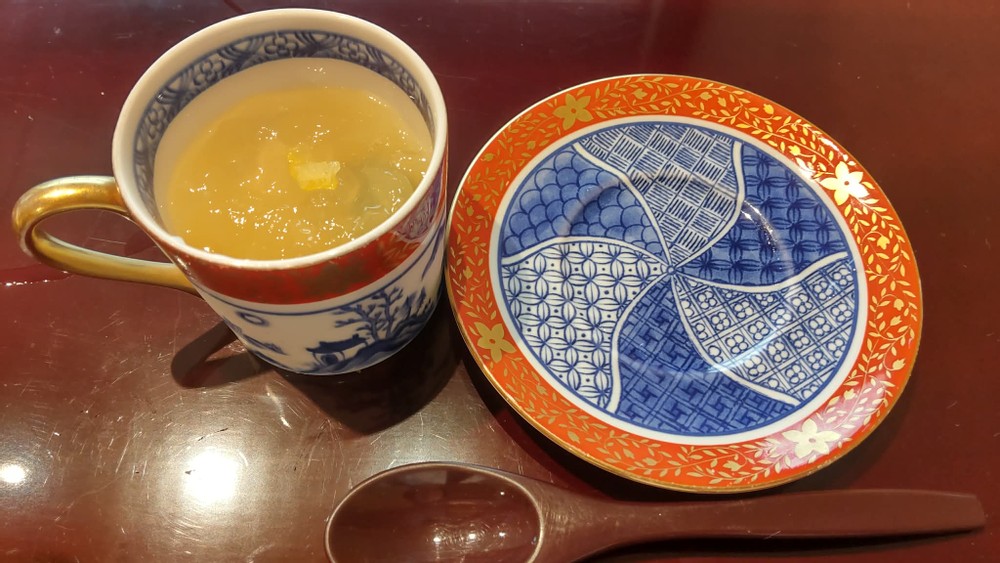
The picture below shows a single flower vase. The shape was very unique.
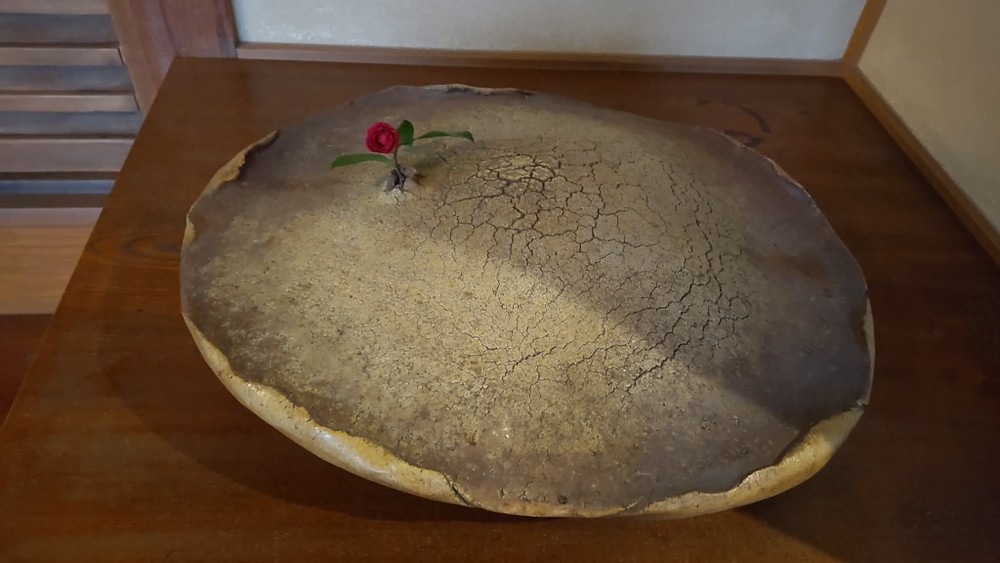
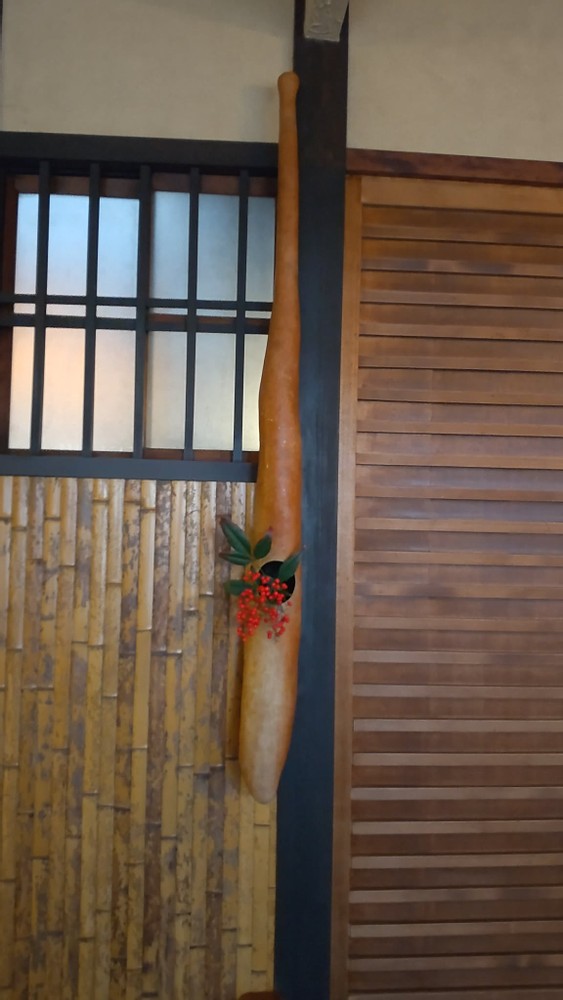
The next picture shows a vase made from a gourd. I'd never seen such a large gourd before.
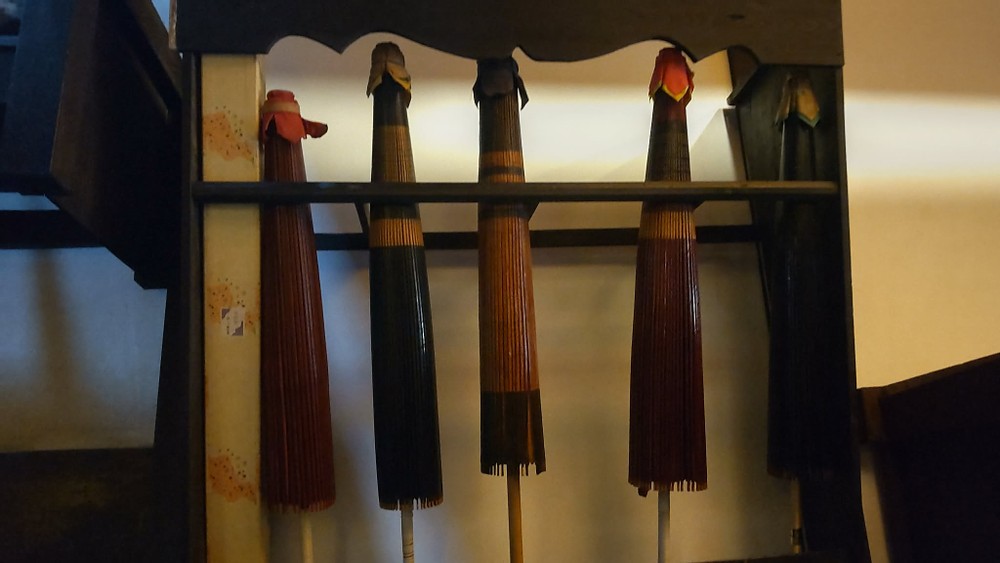
In the kitchen, several traditional Japanese-style of umbrellas were displayed as well.
We absolutely enjoyed the nostalgic atmosphere, the nice meal, and the decoration. I'd love to visit this restaurant with my family as well!
Here is the information of the restaurant. If you're curious, please check it out here.
(5134)

Everything in Japan looks so minimal and neat. As a fun note, "fu" is a past tense of the Italian verb "essere" (to be). In literature and formal registers, it can also be used as an adjective to refer to things that no longer exist. In this instance, "(il) fu ristorante" means that the restaurant closed down.
When I show this post to three of my friends from overseas, all of them said the same thing that you wrote. I get so used to the Japanese culture, so it's hard for me to realize.
Thank you so much for the wonderful explanation. It's always fascinating to know about Italian!
Do you know that Italian word, Cin cin! means a penis in Japanese, lol? It's a casual way, though. When I heard it for the first time, I was embarrassed. Since I shared this with my Italian friends, every time we cheer, they say that on purpose.
Whaaat 🤯! My mind is blown! To be honest, though, there are a lot of Japanese words that sound funny or offensive in Italian and other languages like Spanish.
Yumi...what did you do?! I've been laughing like an idiot for twenty minutes😂! Let me explain why. Back in the early 2000s, it was common to make puns about foreign-sounding names. You guessed it. The Japanese section is one of the funniest. I've been reading some of those puns, and they're hilarious 🤣!
Let me share two of my favorites:
It means "I broke your motorcycle." To be more precise, the inferred meaning is "I fried the engine." 🤣
It means "I look like shit" or "I was born ugly". Bear in mind that nakakata means "a piece of shit."
You can find more puns here: https://www.frasimania.it/nomi-divertenti/#giapponesi.
Haha, I'm glad you liked it! I didn't know that it was already popular back then. Thank you for sharing the link! I'll definitely check it out.
👍