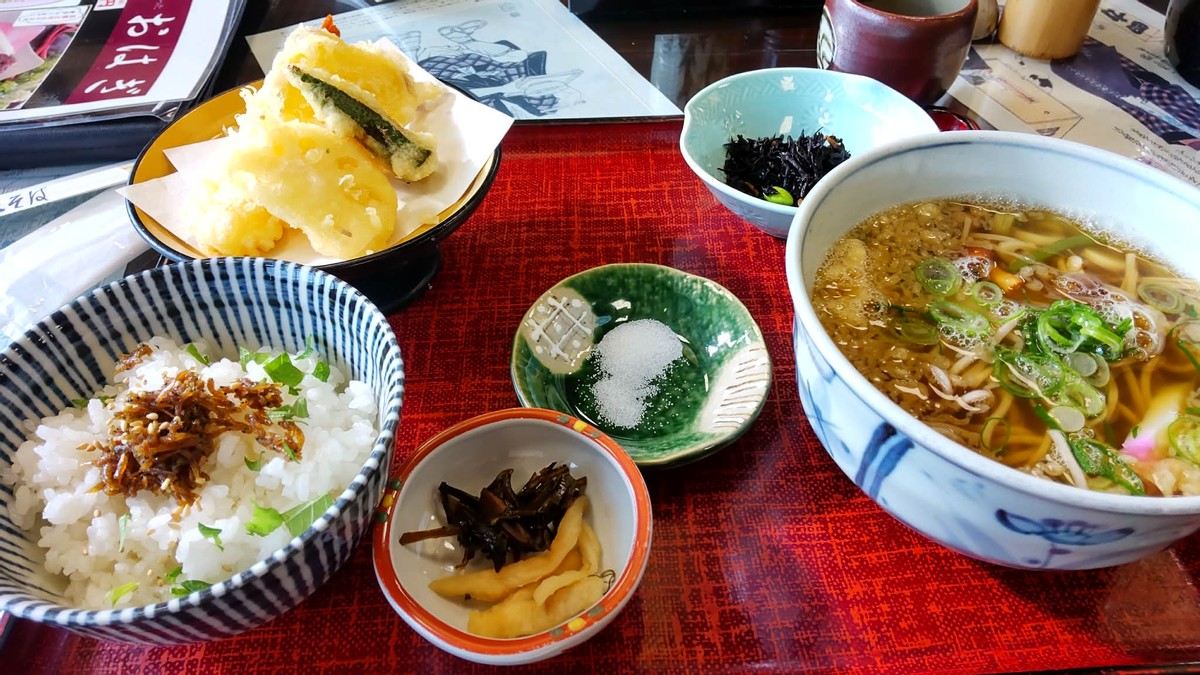
Having soba (a type of Japanese noodle) with our family at the end of the year is our long-standing tradition, which started during the Edo period (1600 to 1868).
Eating it has several meanings, and today I'd like to try explaining. People in the Edo period were more superstitious, so they believed that eating soba brought various kinds of good fortunes.
Soba's shape is thin and long, so people wished their longer lives. Compared to other Japanese noodles like udon or hōtō, it's easier to cut, and this made people think they could cut off bad luck easily. Soba plants are very strong against harsh weather, so they came to symbolize strength and good health. During the Edo period, Japanese goldsmiths used dango (Japanese dumpling) made from buckwheat flour to gather gold dust, which connected soba with wealth. Some people believed that eating soba helped become rich. Soba (蕎麦) has a homophone, soba (側), which means a side in English. Some people believed that when they ate soba, they might be stay longer together.
Nowadays, many of us no longer know the exact reasons why we eat soba with our family at the end of the year, and we simply follow the tradition. When I had soba with my husband, he shared such an interesting story, so I wanted to share it with you.
(5080)

Happy New Year! I think you forgot to share the story your husband told.
I don't understand what you mean by the title. Can you explain?
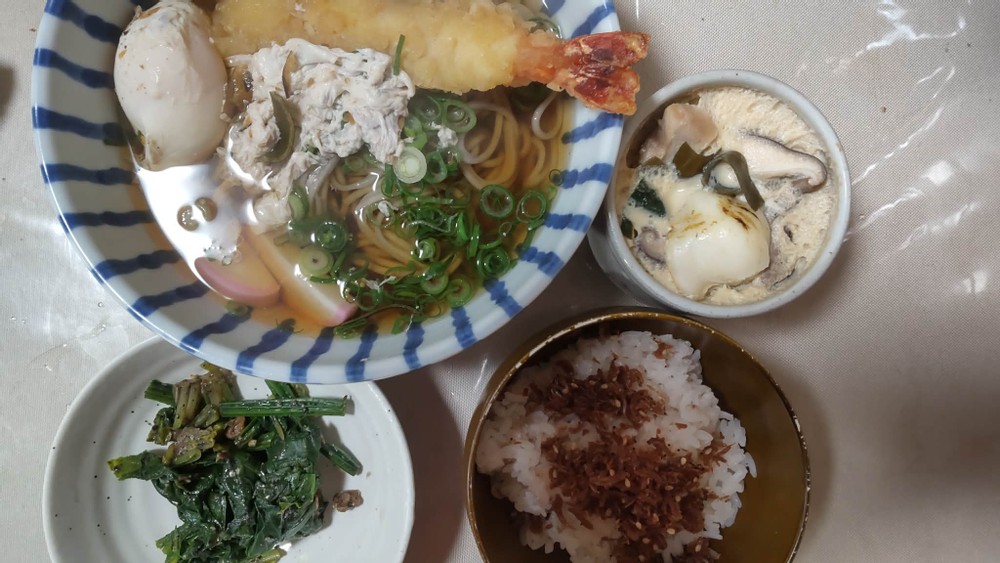
@CocoPop Thank you as always. No, I didn't forget because we ate soba on the 31st of December. Before the year changes, we eat soba, and it's a part of our tradition. It's called 年越し蕎麦. Most family eat it as dinner.