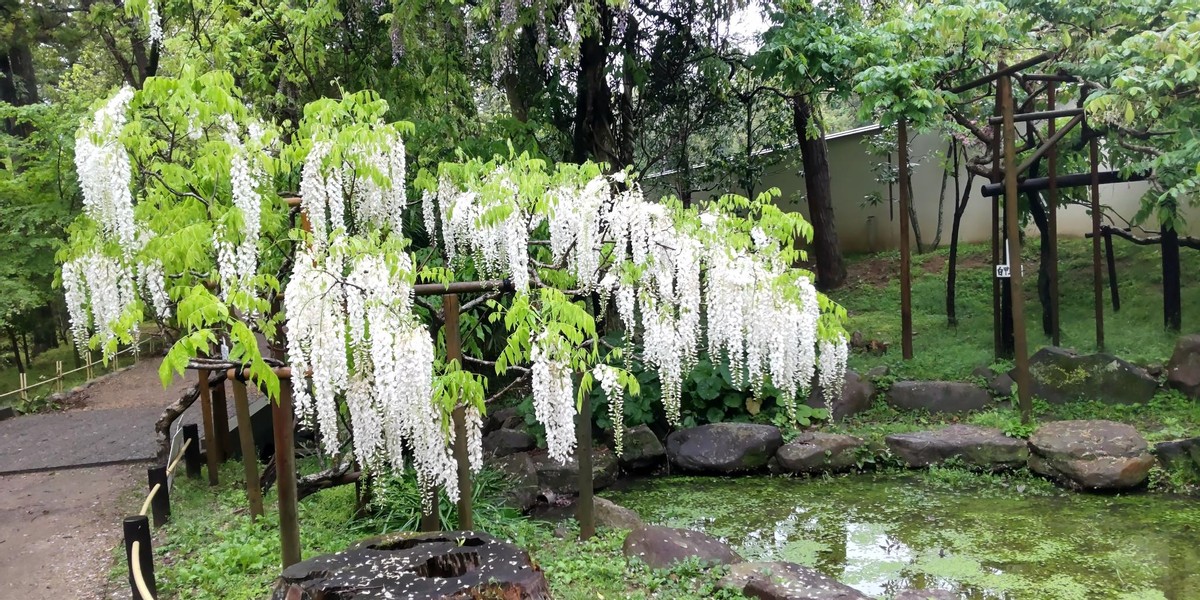
A couple of weeks ago, my husband and I visited the oldest botanical garden at Kasuga-taisha. There are over 200 wisteria plants in the garden, and I was very excited because wisteria is one of my favorite flowers.

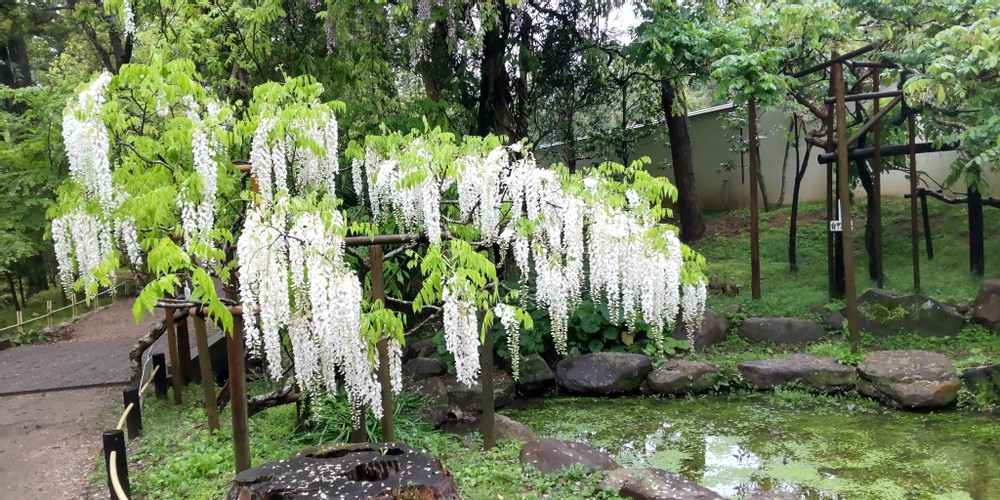
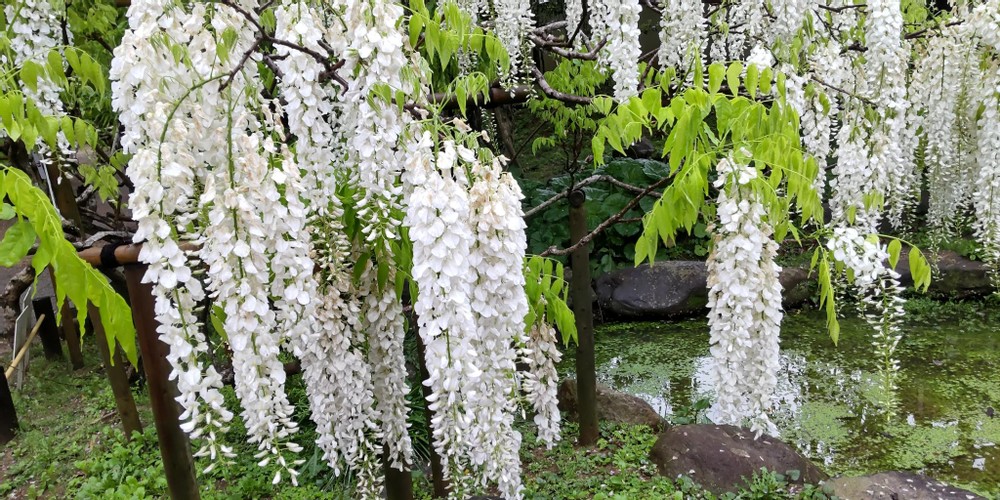
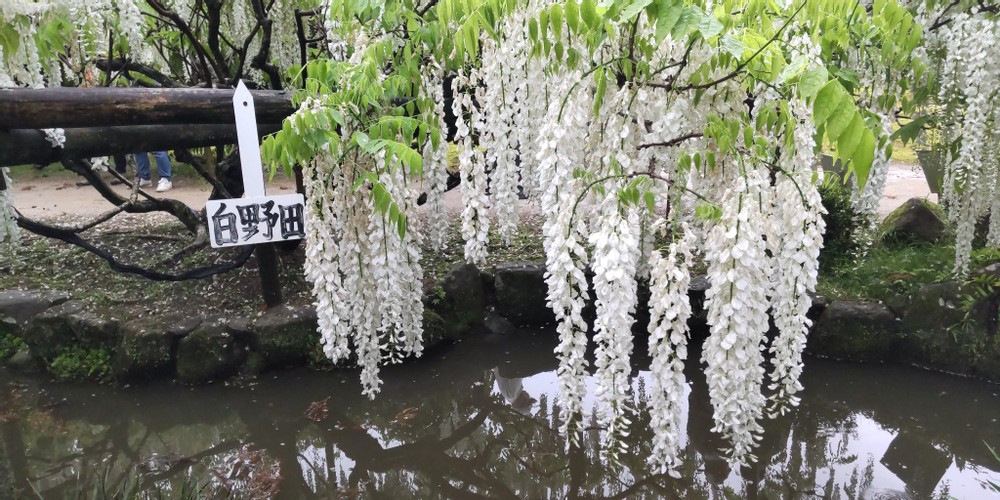
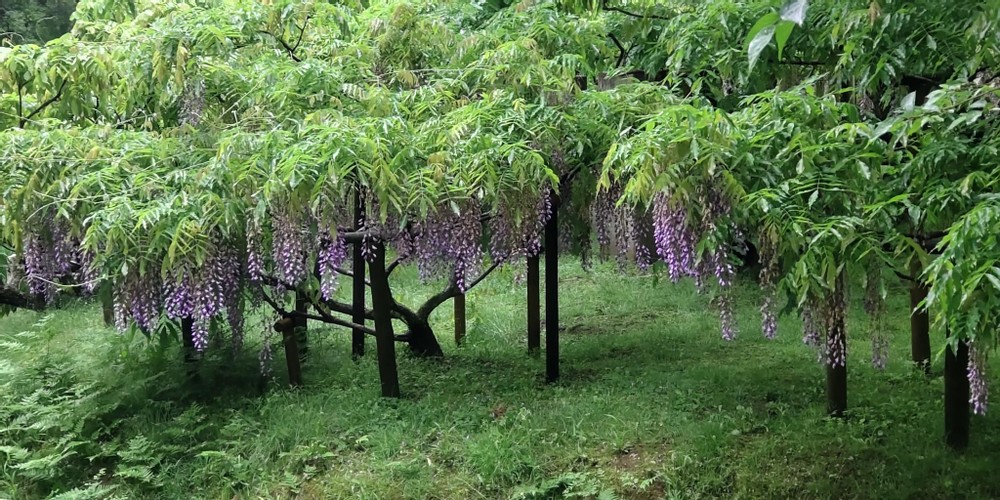
It was a bit late to visit, so purple wisterias had already passed their peak, but the white ones were still in full bloom. I prefer purple ones, but white ones definitely caught my eyes too.
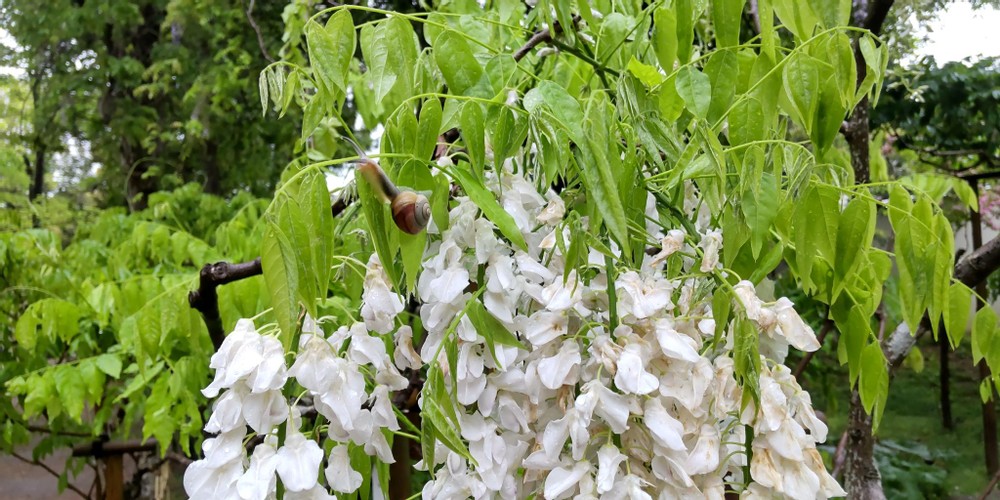
I came across a snail and took the picture below.
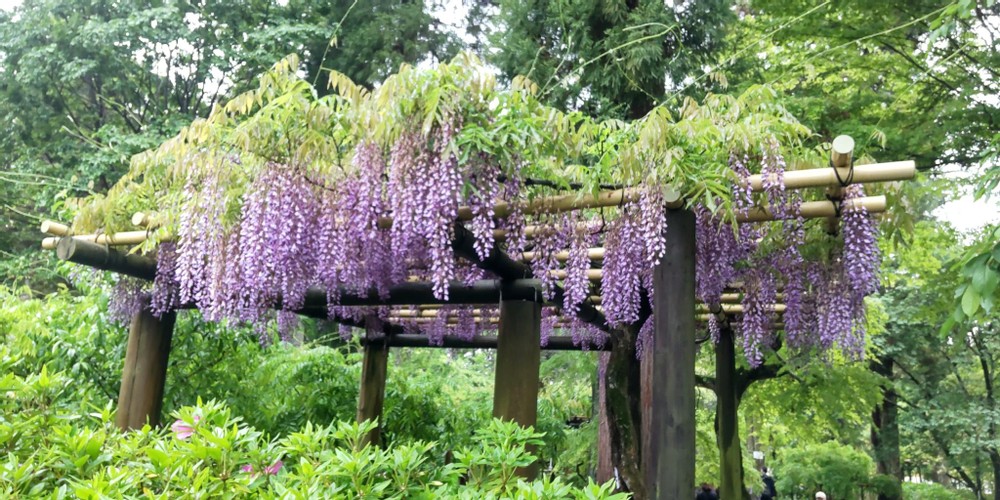
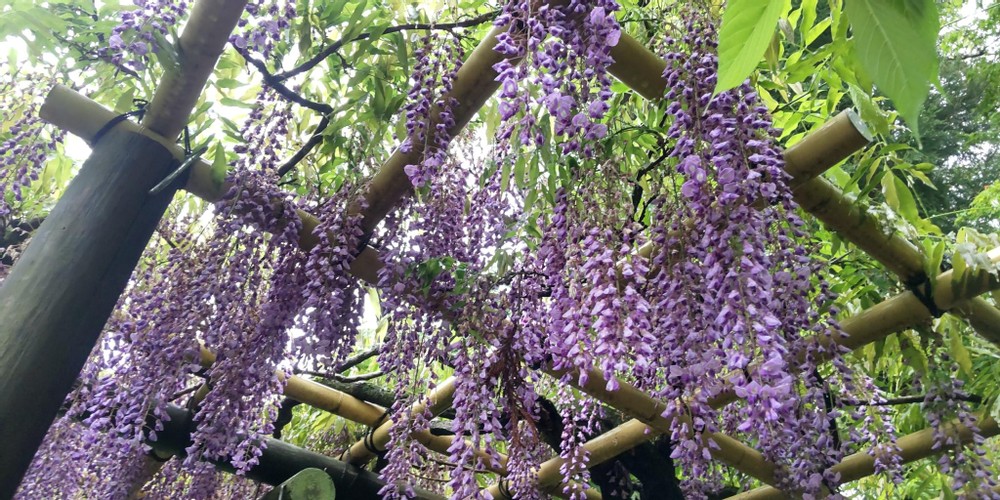
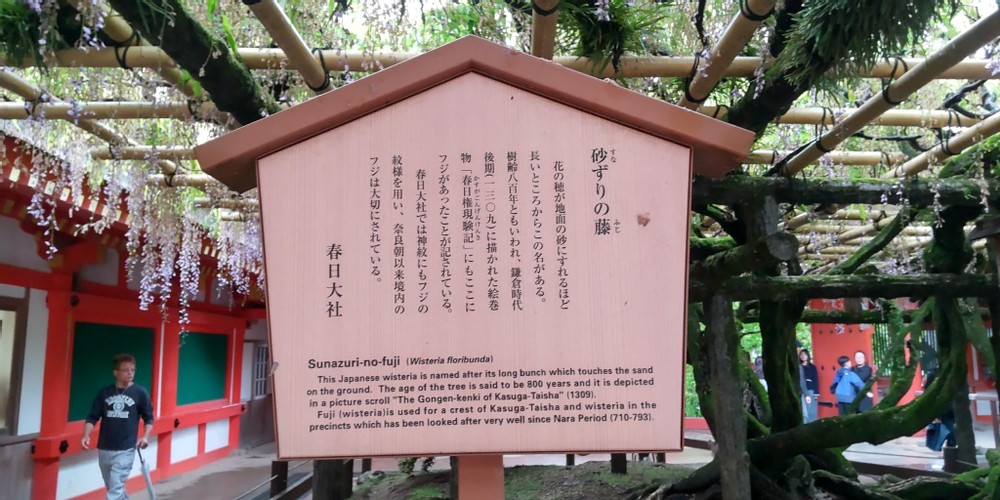
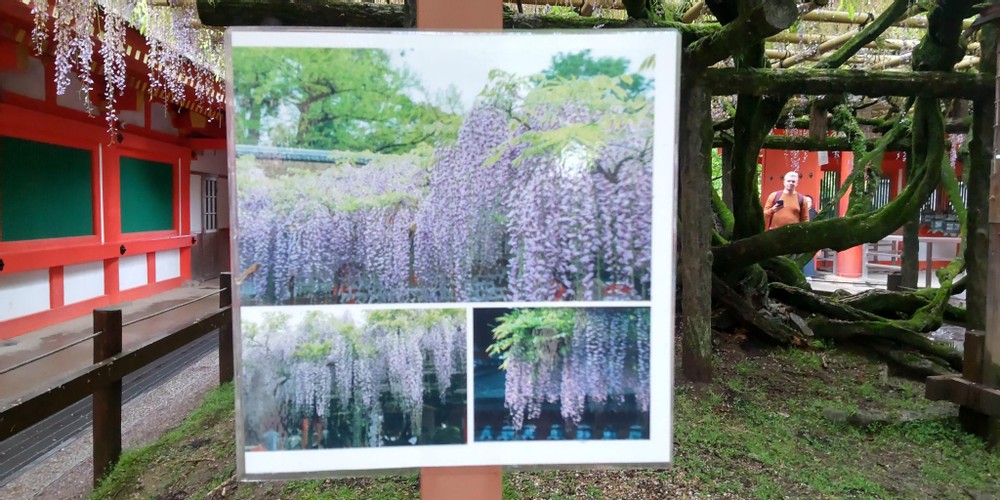
Look at such long clusters. They are called sunazuri-no-fuji in Japanese. They are so long that they almost touch the ground.
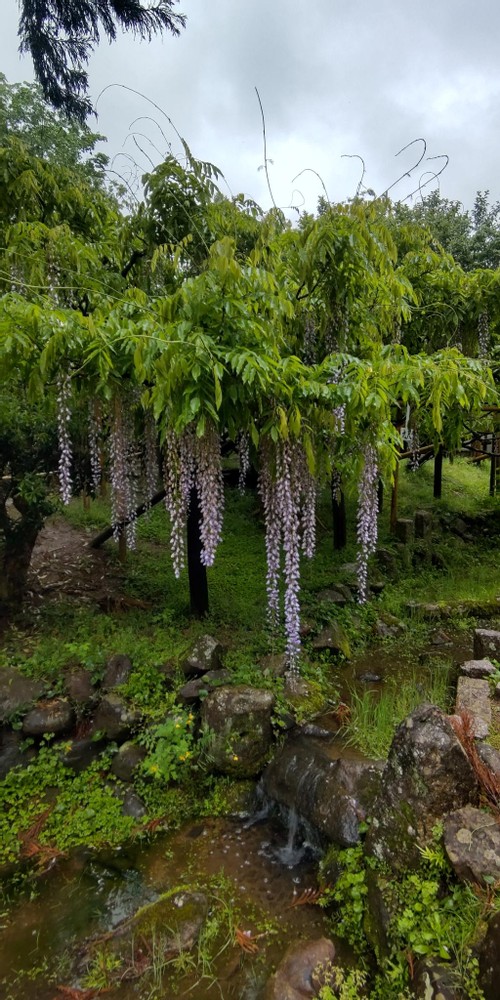
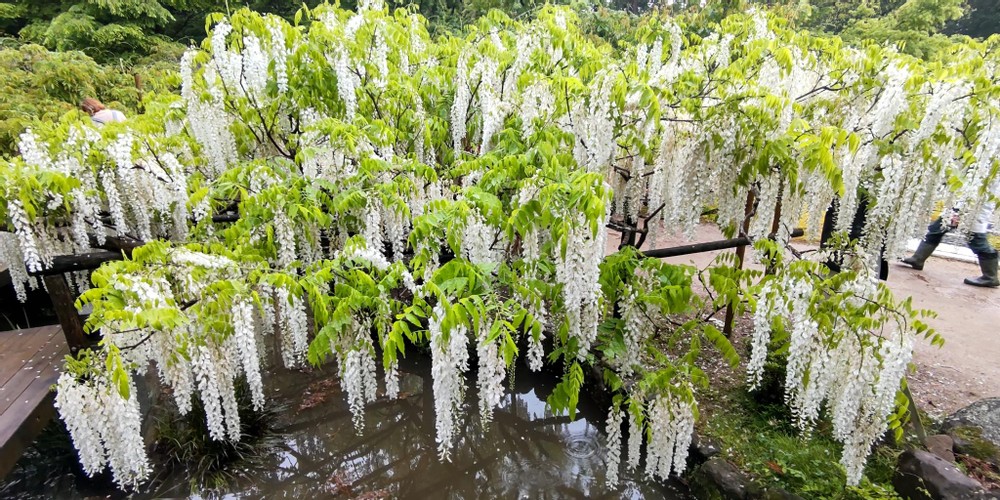
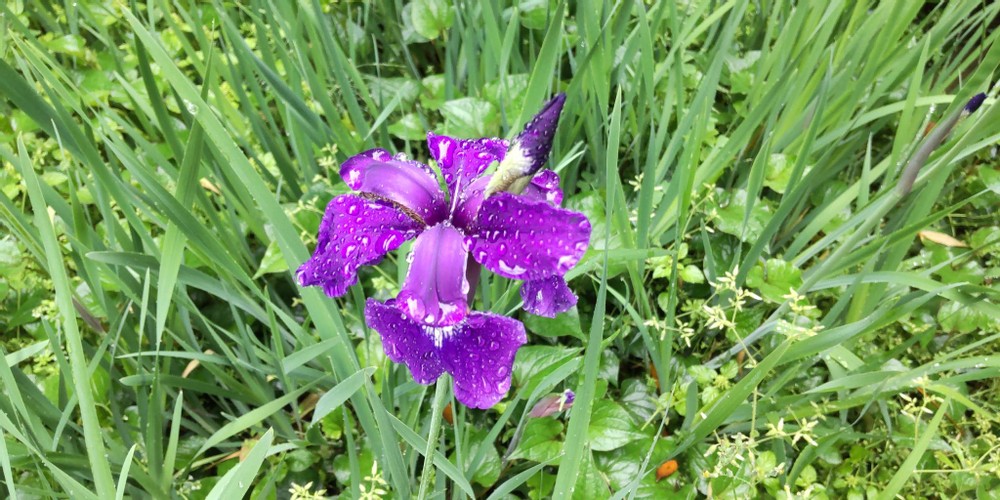
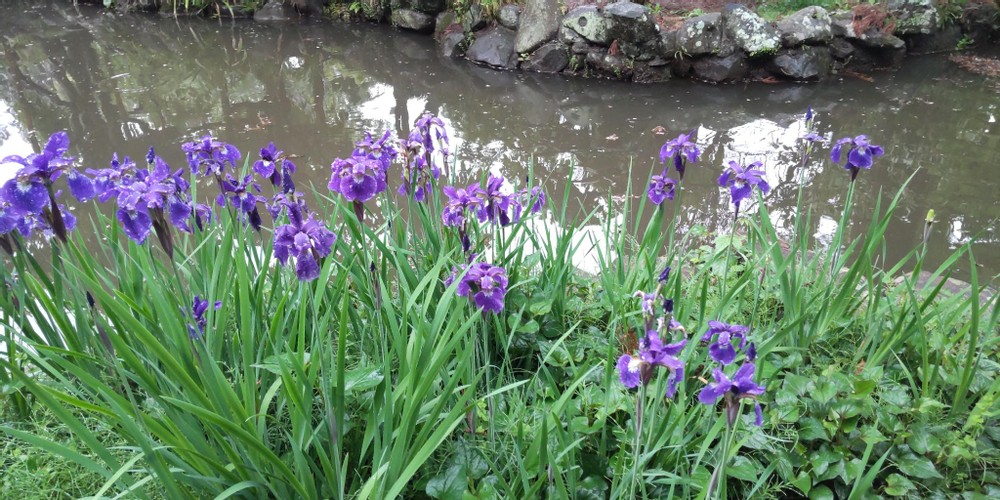
It's also Iris season, and I saw them in full bloom.
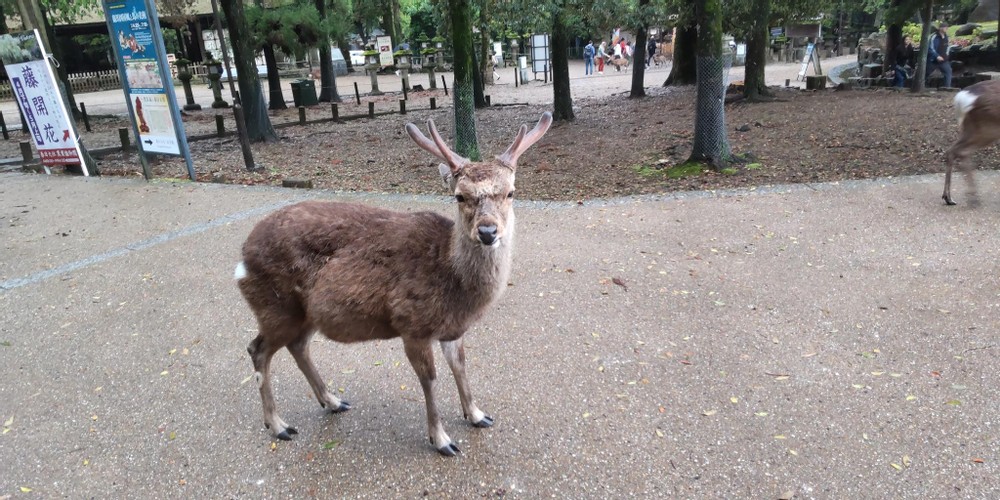
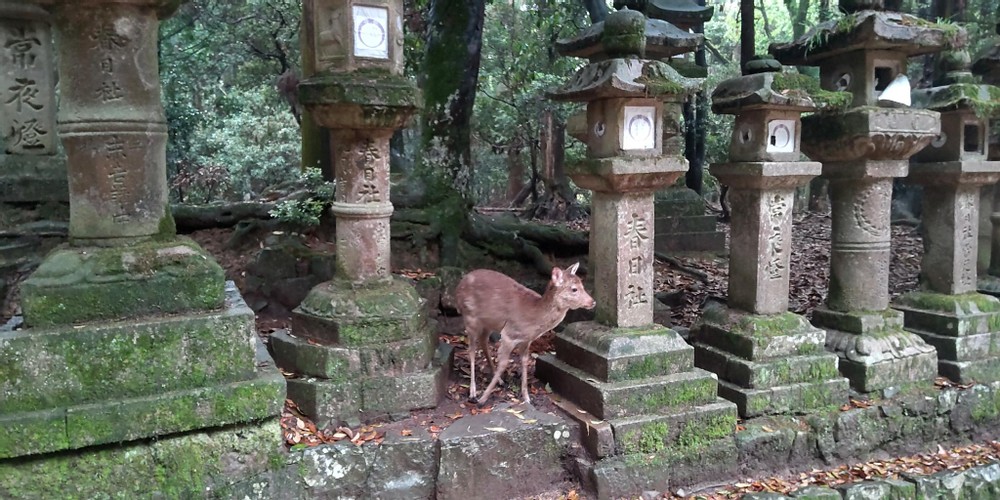
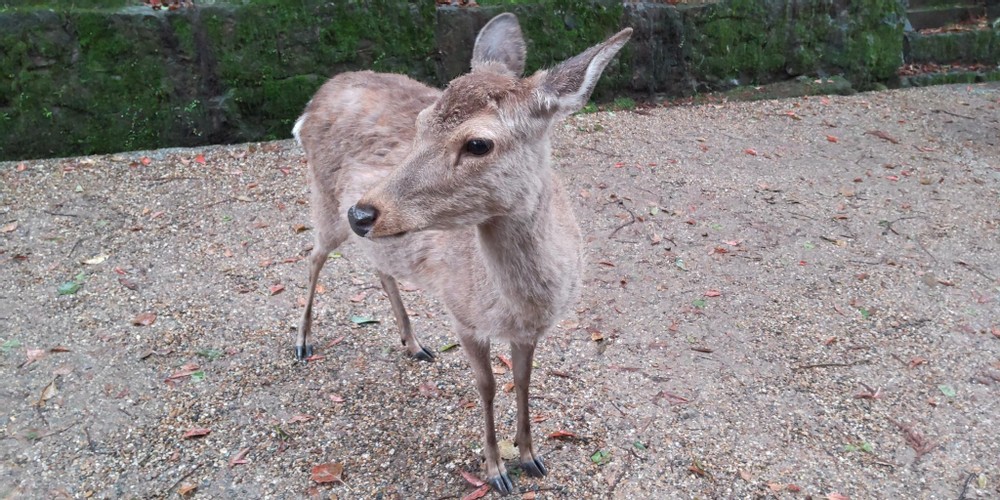
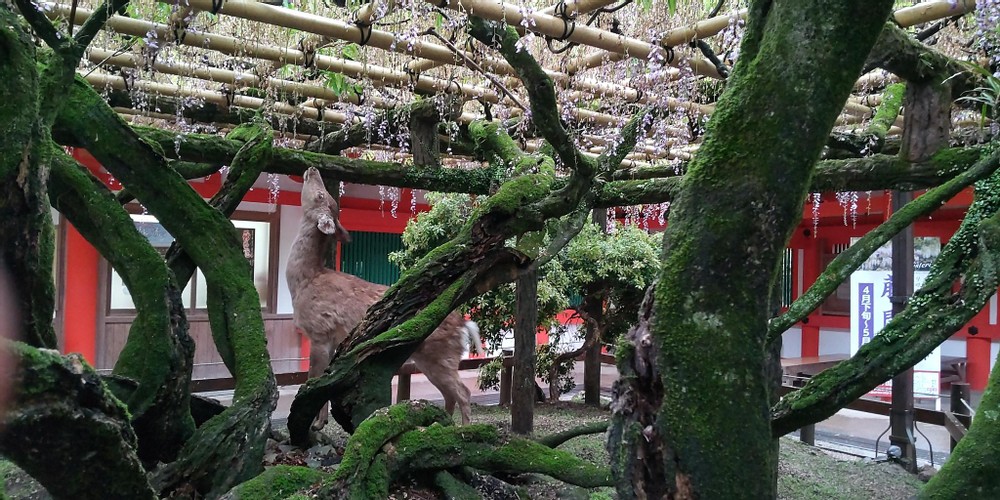
When you go to Nara, you can't avoid deer. They are everywhere, and the deer in the picture seemed pregnant.
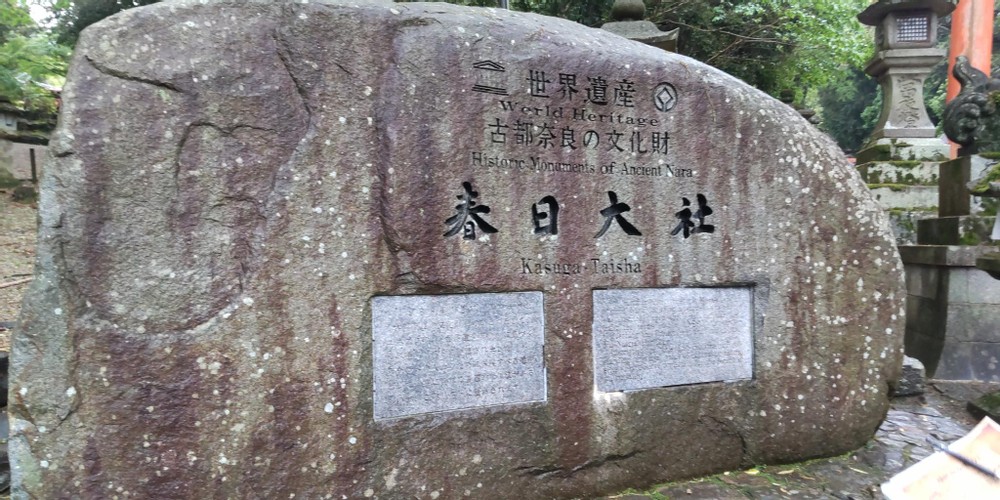
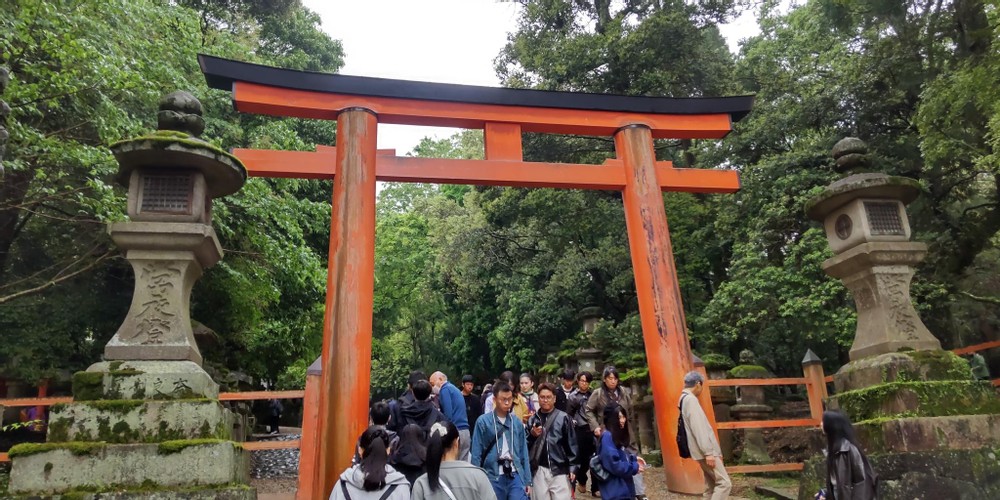
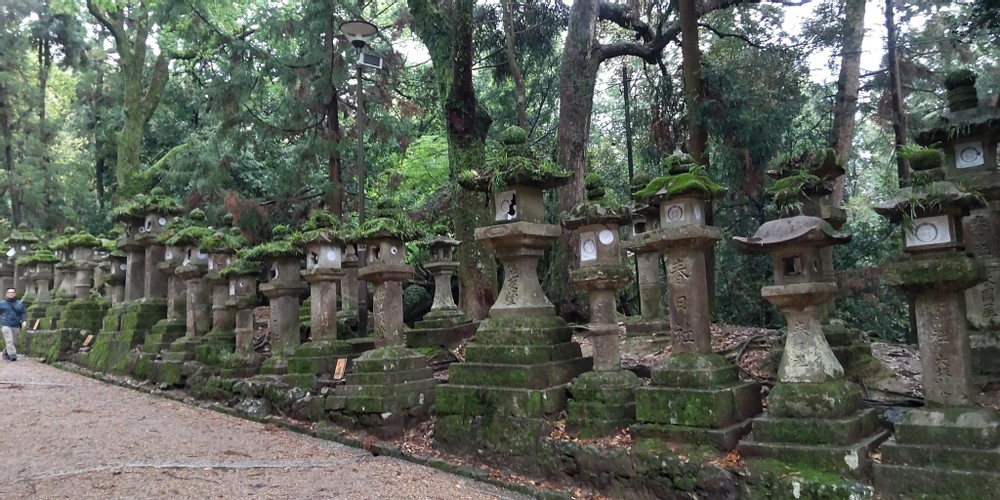
I enjoyed the atmosphere of the shrine. It felt like a world from anime by Hayao Miyasaki.
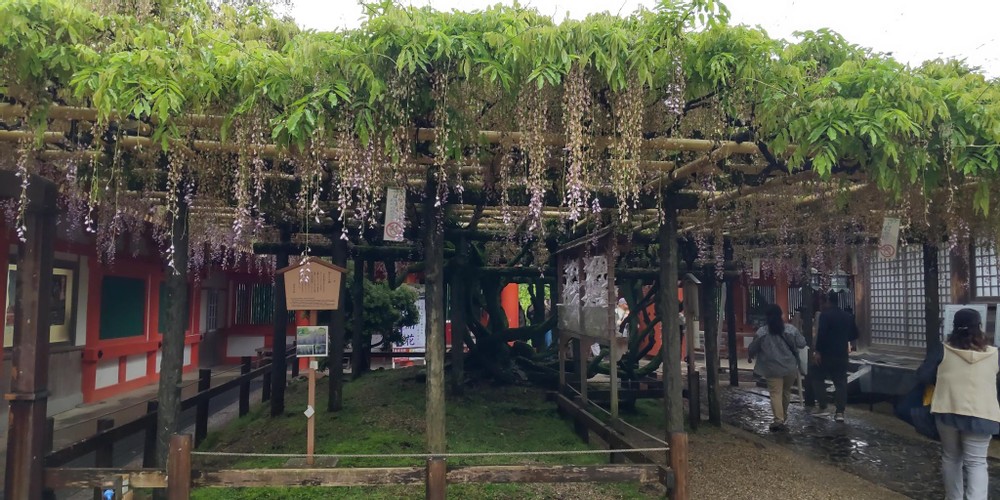
This wisteria vine in the picture below is the oldest in this shrine, which is over 800 years old. I know wisteria can live for a very long time, and this one looked very mysterious. It must have witnessed countless historical moments over the centuries. Unfortunately, the flowers had already passed their peak. Next year, I'd love to see them in full bloom. I'm sure they must be breathtaking. This wisteria vein is called sunazuri-no-fuji, and I've heard there is another famous one in Kusatsu City, Shiga Prefecture. I'd love to go there to see it as well.
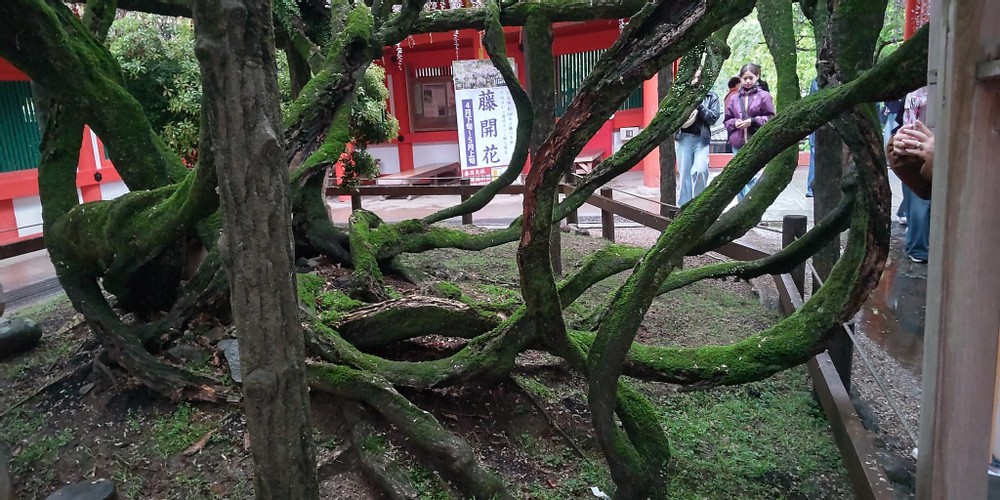
While I was taking some pictures of the tree, a deer showed up and started eating moss.
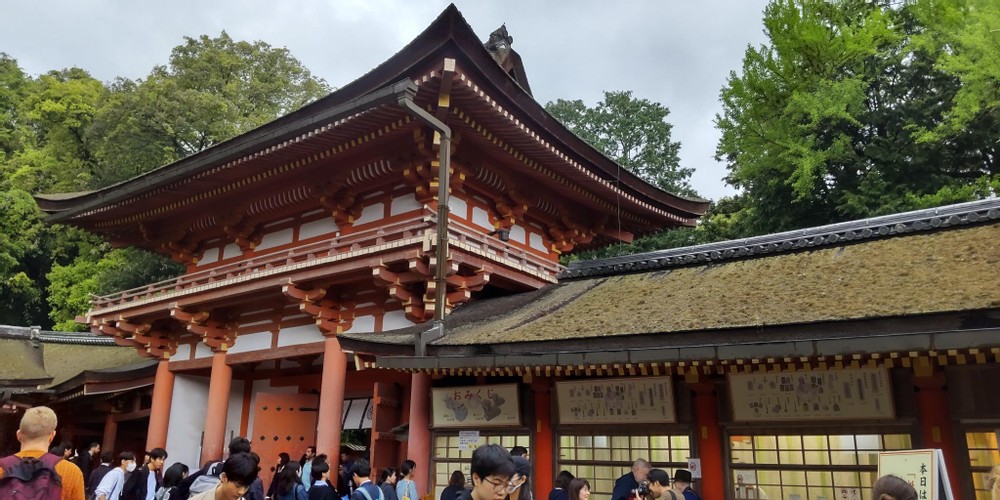
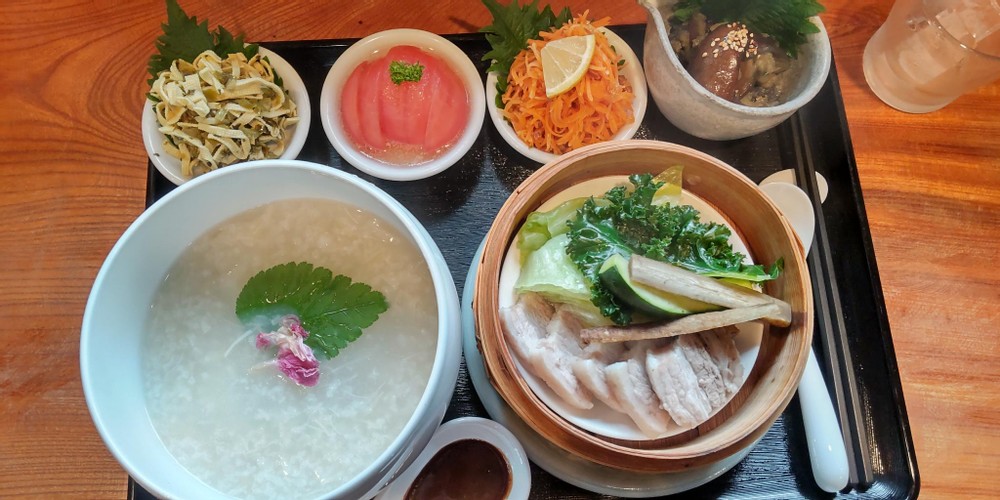
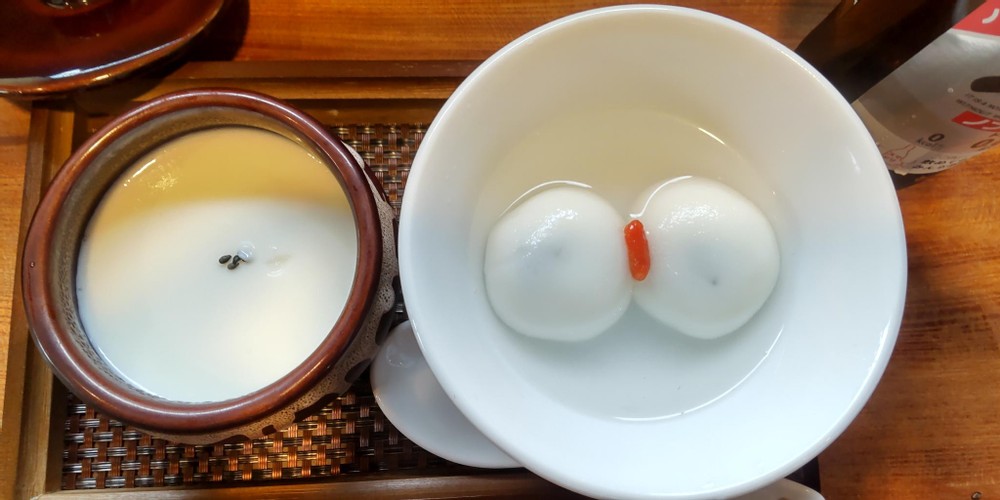
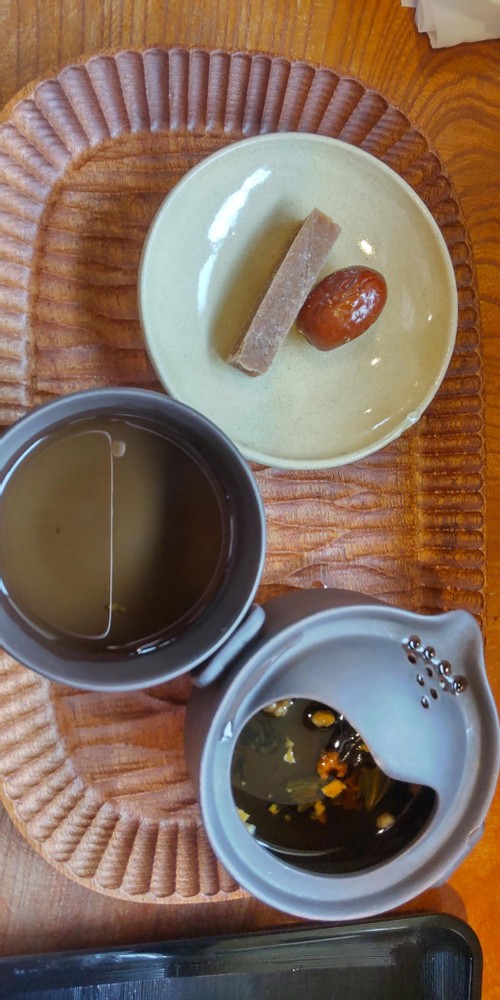
After exploring the shrine, we had lunch. I had lots of fun that day!



(5113)